
Table of Contents
Why choosing the right neighborhood matters in Cuenca
Cuenca is compact but varied: the historic center hums with markets and churches, riverside barrios offer leafy walks, and mountain fringes lead to punishingly beautiful natural areas like El Cajas. Where you stay shapes your days—do you want to wander cobbled streets at dawn? Be close to nightlife and restaurants? Or wake up to cloud forests and hiking trails? Understanding the neighborhoods helps you pick the best hotel or hostel for your style and budget.
Quick orientation: Cuenca neighborhoods and what they offer
Here are the neighborhoods most travelers consider and why:
- Historic Center (Ciudad Vieja / Parque Calderón) – Heart of the action. Cathedrals, museums, plazas, restaurants and most of Cuenca’s colonial charm.
- Riverside (near Tomebamba) – Quieter mornings, scenic riverside promenades and bridges. Great for couples and photographers.
- El Vergel / Av. España – A little farther from the central square but well-connected, with good mid-range hotels and easy bus/taxi access.
- Turi – Hillside lookout with vistas across the city. Best for those who don’t mind taxis and want panoramic views or budget guesthouses.
- Near the bus terminal / Estación – Functional choice for quick arrivals/departures and budget stays.
- Near El Cajas or rural outskirts – Ideal for nature lovers booked into eco-lodges or guesthouses; expect simpler infrastructure but stunning landscapes.
How much should you budget? Typical price bands (USD)
Ecuador uses the US dollar, which simplifies planning. Prices fluctuate with season and demand, but these ballpark figures help you set expectations:
- Budget hostels / guesthouses: $8–$25 per night for dorm beds; $20–$40 for simple private rooms.
- Comfort / mid-range hotels: $40–$100 per night for comfortable rooms with good locations and breakfast.
- Luxury & boutique hotels: $120–$250+ per night for top-tier small hotels, colonial mansions, and full-service properties.
- Eco-lodges / mountain cabins: $50–$150 depending on remoteness and included meals or guides.
Top picks by budget: What to look for and why
Budget travelers: Hostels and simple guesthouses
Budget options populate the historic center and areas near the bus terminal. Look for hostels with:
- Lockers and secure luggage storage.
- Communal kitchen if you want to save on meals.
- Free or cheap walking tours—these help you meet people and understand the city quickly.
- Hot water and reliable Wi‑Fi (sometimes patchy in cheaper places; always ask).
Tips: Dorms are social and often include free breakfast or coffee. If you need peace, document the bed type and check reviews for noise. Hostels near Tomebamba let you walk to cafes and the cathedral within 10–15 minutes.
Mid-range: Comfort, location and breakfast included
Mid-range hotels are plentiful and provide a great balance between comfort and cost. For this bracket, prioritize:
- Location within walking distance of Parque Calderón or the river for easy sightseeing.
- Breakfast included—Cuenca’s breakfasts can be hearty and save time.
- Private bathrooms with consistent hot water (check guest photos & reviews).
- Concierge or front desk familiarity with tours to El Cajas and transport options.
Mid-range properties often occupy pleasant colonial buildings with courtyard breakfasts and rooftop terraces—great value for couples or families.
Luxury & boutique: Colonial charm and curated experiences
Luxury travelers should seek small boutique hotels in the historic center that preserve architectural details while offering modern comforts. Look for:
- Rooftop terraces with city or cathedral views.
- Well-reviewed staff and concierge services that can arrange private tours, airport transfers, and restaurant reservations.
- Integrated amenities like on-site spas, ambient lounges, and included breakfast with regional specialties.
Why choose boutique? Many are converted colonial homes with breakfast courtyards and individually designed rooms—these deliver character that chain hotels can’t match.
Specialty stays: Families, long-term stays, and nature lovers
Family-friendly stays
Look for hotels with family rooms or connecting rooms, and flexible breakfast times. Apartments with kitchens or family-run guesthouses can be budget-savers. Ask about elevators if mobility is an issue—some colonial buildings have stairs only.
Long-term & digital nomads
If you’ll be in Cuenca for weeks or months, search for monthly rates and apartments with reliable internet. Many mid-range hotels offer weekly or monthly discounts in the low season. Neighborhoods like El Vergel and areas near Parque Calderón are good bases for coworking spaces, cafes with Wi‑Fi, and expat meetups.
Eco-lodges and Cajas visitors
For hikers and birdwatchers, staying near El Cajas National Park or booking a day trip with an eco-lodge is ideal. These properties focus on local guides, hearty meals, and immersion in nature. Expect simpler rooms and fewer urban comforts—plan accordingly.
Practical tips for booking and checking in
Follow these practical tips to avoid surprises and make the most of your stay:
- Book earlier for June–September and holiday periods. Cuenca is a popular escape during Ecuador’s dry season and local holidays.
- Confirm hot water and heating—Cuenca is high altitude (about 2,560 m / 8,400 ft) and nights can be cool.
- Airport transfers: Mariscal Lamar Airport is a short taxi ride from the center—confirm an approximate fare in advance (expect a modest fee in USD).
- Read recent guest reviews for noise, water pressure, and Wi‑Fi—these common pain points vary across buildings.
- Ask about luggage storage if you arrive early or are taking day trips; most places will hold bags for a small fee or free of charge.
How to compare online listings like a pro
When comparing hotels and hostels, prioritize recent traveler photos and comments (last 3–6 months), and use filter tools to compare breakfast, free cancellation, and location. Map view is your friend—double-check walking times to Parque Calderón, the cathedral, or riverwalks. If you prefer quiet nights, avoid listings that advertise “nightlife nearby.”
Safety, transport and local logistics
Cuenca is considered one of Ecuador’s safer cities, but normal urban caution applies: watch your belongings in crowded markets and on buses. Taxis are affordable—use registered taxis, apps, or ask your hotel to call one for you. For day trips to places like El Cajas or nearby markets, have your hotel or a reputable tour operator arrange transportation and guides.
Food, markets and what to expect near different types of properties
Where you stay affects your food options. In the historic center you’ll find traditional restaurants, panaderías (bakeries) and markets offering local dishes like hornado (roasted pork), cuy (guinea pig) in specialty restaurants, and hearty soups. Riverside and mid-range neighbourhoods feature more cafes and international options suitable for varied diets. If you’re in a hostel with a kitchen, the nearby markets are a great way to sample fresh produce and cheeses at low cost.
Seasonal considerations and when to go
Cuenca’s highland climate is mild year-round but has wet and dry phases. The drier months (roughly June through September) are popular for hiking and outdoor photography—book lodging early. The rainy season (roughly October–May) can mean heavy afternoon showers, but it’s green and less crowded, and you may find lower rates on hotels and hostels.
Making your decision: questions to ask before you book
- Is breakfast included and what time is it served?
- Does the property offer airport pick-up or a recommended taxi?
- Are there additional fees for heating, hot water, or luggage storage?
- How far is the property to the places you want to visit (in walking time)?
- What is the noise level like at night (look for recent comments)?
Wrap-up: Finding the right stay for your Cuenca trip
Cuenca caters to everyone—from backpackers in lively hostels and mid-range couples in stylish colonial hotels to nature lovers in remote eco-lodges. The best approach is to pick a neighborhood that matches your priorities (historic charm, riverside calm, or mountain access), then narrow choices by the must-have amenities—hot water, breakfast, secure luggage, and good reviews. With solid planning, you’ll find accommodations that make exploring Cuenca’s cathedrals, markets, and Andean landscapes effortless and enjoyable.
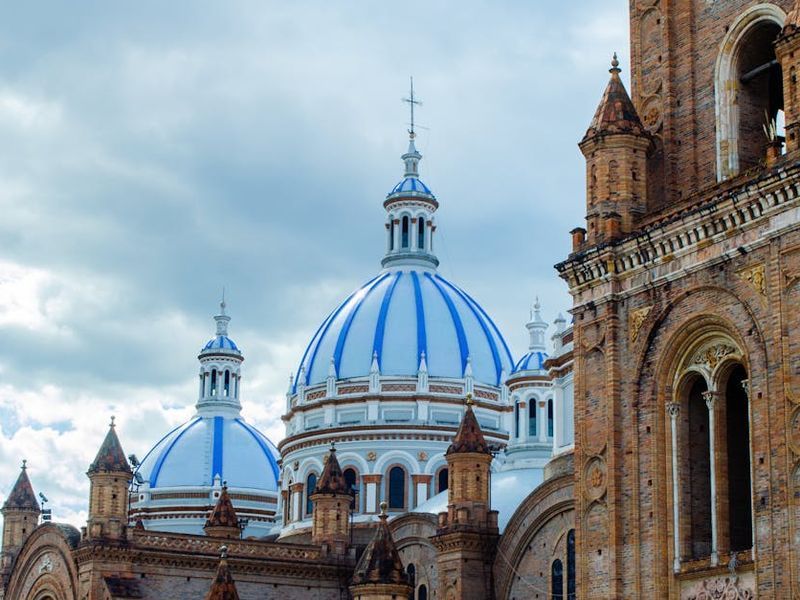
Final practical reminder: always check recent traveler reviews, verify cancellation policies, and confirm any special requests (like early check-in or dietary needs) before arrival. Buen viaje—enjoy Cuenca’s cobblestones, blue-domed skyline, and warm hospitality.