
Table of Contents
Why Spend a Week in Cuenca?
Cuenca is one of Ecuador’s most charming cities: a UNESCO-listed historic center, walkable streets, lively markets and easy access to highland landscapes. A full week lets you move at a relaxed pace—acclimatize to the altitude, dig into museums and cafés, and take a couple of day trips without feeling rushed. This guide gives you a balanced seven‑day plan that mixes culture, nature, shopping and local food, with practical tips to make the most of every day.
Quick Practical Tips Before You Go
Cuenca sits at roughly 2,560 meters (about 8,400 feet). Take your first 24 hours easy to avoid altitude fatigue: walk slowly, drink water and enjoy lighter meals. The official currency is the US dollar. The city’s small airport (flight code CUE) is well connected domestically; long-distance buses link to Quito and Guayaquil.
Weather is mild year-round but changeable—bring layers. The highland rainy season tends to be heavier in the warmer months, so pack a compact rain jacket. Spanish is the dominant language; English is common in hotels and tour operations but less so in markets and smaller towns. For cell service, prepaid SIMs from local carriers (Claro, Movistar) are inexpensive and available at kiosks and the airport.
Getting Around
Cuenca’s historic center is highly walkable—many of the major sights cluster around Parque Calderón and the Tomebamba riverbanks. For point-to-point trips use local taxis (agree on the fare or insist on the meter), or try ride-hailing apps if available. For day trips, local buses are frequent and budget-friendly; private drivers or organized tours are convenient if you want a flexible schedule or guided experience.
The 7-Day Itinerary: A Relaxed, Complete Week
Day 1 – Arrival, Easy Walks and Plaza Calderón
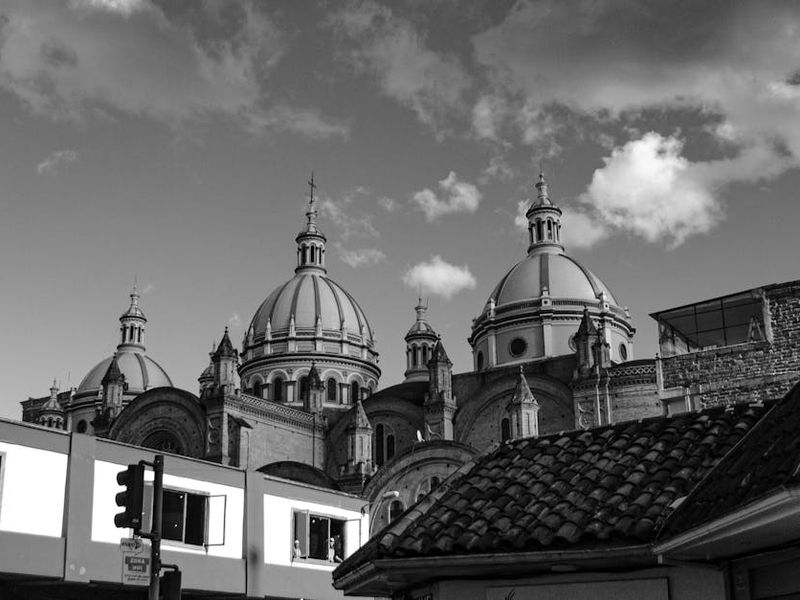
Settle into your accommodation and take a slow walk through the heart of the city. Start at Parque Calderón to admire the impressive cathedral domes, then stroll along Calle Larga and the riverfront terraces. This is the day to familiarize yourself with nearby cafés, note where the nearest supermarket and pharmacy are, and maybe enjoy a casual dinner—locro de papa (potato soup) is a comforting first-night choice.
Day 2 – Historic Center, Churches and Museums
Dedicate a day to Cuenca’s colonial heritage. Visit the Cathedral of the Immaculate Conception with its iconic blue domes, and cross the river to see the Old Cathedral (El Sagrario). Spend the afternoon at Museo Pumapungo and the Banco Central museum’s archaeological collections to learn about the indigenous cultures of the region. End the day on Calle Larga for boutique shopping and coffee in one of the restored colonial houses.
Day 3 – Cajas National Park (Full Day)
Reserve a day for Parque Nacional Cajas, less than an hour from Cuenca by car. This high-altitude moorland is a photographer’s dream with dozens of glacial lagoons (known as lagunas), winding trails and dramatic skies. If you like hiking, try a 3–4 hour circuit near Laguna Toreadora or a guided route that explains the fragile páramo ecosystem. Dress warmly, bring waterproof layers and high-energy snacks. Many visitors book a shared shuttle or guided day tour, which simplifies logistics and gives you insights into the park’s flora and fauna.
Day 4 – Artisan Towns: Chordeleg and Gualaceo
Head east to the artisan towns of Chordeleg and Gualaceo. Chordeleg is famous for handmade silver filigree jewelry—wander the workshops to see artisans at work and look for unique pieces. Gualaceo’s weekly markets are fantastic for textiles, hats and fresh produce. Plan your visit to coincide with a market day if possible; it’s a lively way to see local life and pick up souvenirs at very reasonable prices. Return to Cuenca mid‑evening to sample a more refined dinner in town.
Day 5 – Ingapirca and Cañar (Full Day)
Make a day trip northeast to the Ingapirca ruins, the largest Inca archaeological site in Ecuador. The stone structures and sun temple are evocative—walk the site with a guide to get context on Inca and Cañari interactions. Nearby towns offer simple eateries with traditional stews. This is a longer day (about 1.5–2 hours each way by car), so bring water and sun protection. Consider hiring a private driver or joining a small group tour to maximize your time at the site.
Day 6 – Neighborhoods, Markets and a Cooking Class
Explore Cuenca’s neighborhoods beyond the historic center. Visit San Sebastián and El Vergel for quieter streets and local bakeries. Spend the morning at Mercado 9 de Octubre (or Mercado Central) sampling cheeses, fruits and local snacks. In the afternoon take a cooking class to learn Ecuadorian favorites—many cooking schools source ingredients from the market and teach dishes like mote pillo, bolones and local desserts. A hands-on class is a great way to connect with the city’s food culture.
Day 7 – Relaxation, Panoramas and a Riverside Afternoon
On your final day, slow down. Take a morning to visit the Mirador de Turi for a panoramic view of the city—this is an ideal photo stop at sunrise or sunset. Walk the Paseo del Rio to enjoy restored riverfront promenades and artisan stalls. Spend your last afternoon at a café with a book, buying any last souvenirs along Calle Larga, and return to the places you loved for one last meal.
Top Day Trips and Alternatives
If you have extra time or prefer alternatives: take a coffee plantation tour in nearby subtropical valleys, visit smaller thermal baths and spas for a restorative dip, or schedule a horseback ride in the highlands around Cuenca. The city is also a jumping-off point for longer treks into the Andes or multi-day excursions to southern Ecuadoran attractions.
Where to Stay: Neighborhoods That Fit Different Styles
Stay in the historic center (El Centro) if you want immediate access to churches, museums and nightlife—perfect for first‑time visitors and walkers. For quieter nights but easy access to downtown, look at San Sebastián and El Vergel. Families and long-term visitors sometimes prefer neighborhoods along the Tomebamba river or the Yanuncay area for larger apartments and local supermarkets. Most accommodations range from boutique hostels and mid‑range hotels to higher-end restorations in colonial buildings.
Eating and Drinking: Local Specialties to Try
Cuenca’s cuisine blends Andean staples with Spanish influences. Must-try dishes include:
- Locro de papa: a hearty potato and cheese soup.
- Cuy asado: roasted guinea pig, a traditional dish often served for celebrations.
- Mote pillo: corn with scrambled eggs and herbs.
- Hornado: slow-roasted pork, commonly eaten at market stalls.
- Helado de paila: handcrafted ice cream made in a cold-metal basin, often fruity and refreshing.
For coffee lovers, Cuenca has a thriving café scene—sit in a plaza café and watch the world go by. Markets offer the most authentic and budget-friendly meals, while the riverside and Calle Larga host nicer bistros if you’re celebrating a special evening.
Shopping: What to Bring Home
Cuenca is a hub for Ecuadorian crafts. Look for:
- Hand‑woven textiles and ponchos from the surrounding highlands.
- Silver filigree and jewelry from Chordeleg.
- Panama hats (made in Ecuador) from specialty shops—ask about quality grades and the weave.
- Artisanal chocolate and preserves sold at local markets.
Haggle respectfully in markets, and always check craftsmanship and finish when buying jewelry or hats.
Health, Safety and Common Sense
Cuenca is considered one of Ecuador’s safer cities, but keep normal precautions: avoid flashing valuables, use well‑lit streets at night and store passports or large amounts of cash in a hotel safe. Altitude can cause headaches and shortness of breath—take it slow, hydrate, and avoid heavy physical exertion your first day.
Tap water in many parts of Cuenca is treated and used locally, but if you have a sensitive stomach consider bottled water, especially when traveling to smaller towns. Travel insurance that covers medical evacuation is always a sensible precaution when visiting highland areas.
Packing Checklist
Essentials to bring for a week in Cuenca:
- Layered clothing (light fleece, a warm jacket, long-sleeve shirts).
- Waterproof rain jacket and a compact umbrella.
- Sunscreen and a hat—UV is strong at altitude.
- Comfortable walking shoes and a small daypack.
- Reusable water bottle and basic medications for altitude headaches and stomach upset.
- Plug adapter if your devices need one (Ecuador uses 120V, Type A/B plugs).
Final Tips for a Memorable Week
Plan a few firm activities (like Cajas or Ingapirca) and leave some afternoons open to wander. Some of the best experiences in Cuenca are unplanned: discovering a rooftop café at sunset, hearing a local band in a plaza, or chatting with an artisan in Chordeleg. Take photos, but also take time to simply sit and soak in the city’s rhythm.
With seven days you’ll have the luxury of slowing down and feeling like you’ve lived in Cuenca for a week—not just visited. Enjoy the museums, markets and mountains, eat slowly, and let the city reveal itself at its own gentle pace.