
Table of Contents
Why Cuenca should be on your travel radar
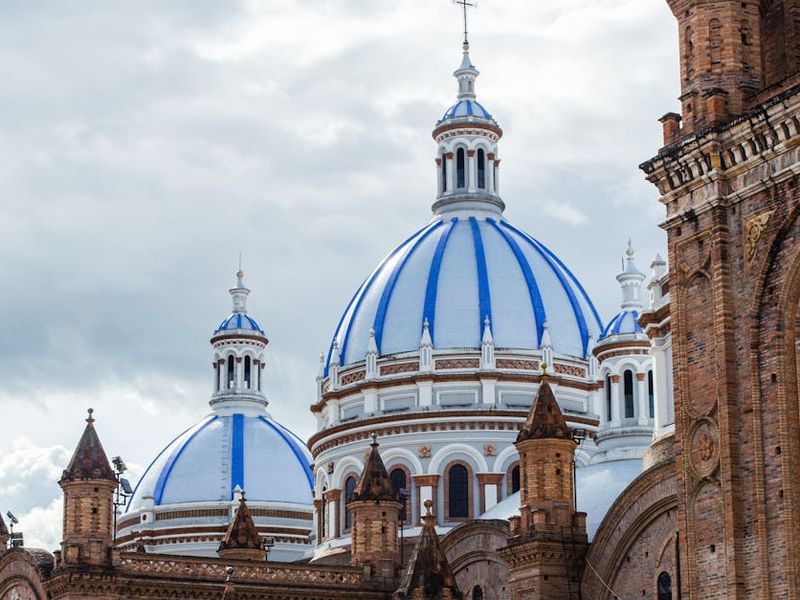
Nestled in Ecuador’s southern highlands, Cuenca charms first-time visitors with its UNESCO-listed historic center, dramatic blue-domed cathedral, and a relaxed pace that feels like stepping into a living postcard. But the city is more than pretty plazas: it’s a working Andean metropolis with riverside walks, artisan markets, and easy access to highland lakes and colonial villages. This guide equips you with practical tips and local insight so your first trip feels smooth, safe and memorable.
Before you go: planning and paperwork
Cuenca is in Ecuador, where the US dollar is the official currency. Confirm passport validity — many airlines and immigration desks recommend at least six months of remaining validity — and check visa rules for your nationality. If you rely on printed confirmations, keep a digital copy in your email or cloud storage as well.
Flights and arrival
Most travelers arrive via Mariscal Lamar Airport (CUE) or via Quito/Guayaquil with a connecting bus or short flight. Flights to Cuenca are often on small regional aircraft, so pack carry-on essentials when possible. If you fly into Quito or Guayaquil, an executive bus or domestic flight connects you to Cuenca in a few hours. Upon arrival, expect a small, easy-to-navigate airport and a taxi queue; hotels will happily arrange pickups for a small fee.
Health, altitude and weather basics
Cuenca sits at roughly 2,500–2,600 meters (about 8,200–8,500 feet) above sea level. Many visitors feel only mild effects, but some experience headache, shortness of breath or fatigue on day one. Hydrate well, avoid heavy exertion for the first 24 hours, and consider delaying alcohol and intense workouts until you feel acclimatized.
Packing for the climate
- Pack layers: sunny midday temperatures can climb while early mornings and nights get chilly.
- Bring a lightweight rain jacket—afternoons can be drizzly even in the dry season.
- Comfortable walking shoes for cobblestones and river paths; a sun hat and sunscreen for the high-altitude sun.
- Basic meds and altitude remedies (acetazolamide only if prescribed) and motion sickness pills if you plan mountain drives.
Money, tipping and bargaining
Ecuador uses the US dollar, which simplifies budgeting. ATMs are common in Cuenca’s center and neighborhoods, but withdraw during business hours and be aware of bank fees. Smaller markets, food stalls and some taxis prefer cash—particularly in small denominations.
Tipping culture
Restaurants will sometimes include a service charge; if not, a 5–10% tip for good service is appreciated but not mandatory. For guides, drivers, and hotel staff, tipping a few dollars is customary when service is helpful.
Where to stay: neighborhoods that suit first-timers
Choosing the right neighborhood shapes your experience. Here are common choices for newcomers:
- Centro Histórico – Walkable, atmospheric and close to major sites like the Parque Calderón and the New Cathedral. Best if you want to explore on foot nonstop.
- San Sebastián – A bohemian area of narrow streets, artisan shops and budget-friendly eateries. Great for travelers who enjoy lively local culture.
- El Vergel / Tomebamba riverside – A quieter option with pleasant riverside walks and a mix of apartments and guesthouses.
- Residential neighborhoods – If you prefer a longer stay and a quieter vibe, look for rentals slightly outside the historic core; public transport and taxis make the center easy to reach.
Getting around: walking, buses, tram and taxis
Cuenca’s historic center is compact and very walkable; cobblestones and slight hills are part of the charm. For farther afield, the city’s transit options are straightforward.
Public transit and the Tranvía
Cuenca operates a modern tram system (Tranvía) that links major parts of the city. It’s convenient, safe and inexpensive—buy a reloadable card or single-ride ticket at kiosks. Local buses cover many routes but can be confusing to newcomers; ask your accommodation host for recommended lines if you plan to use them.
Taxis and ride options
Taxis are plentiful and cheap compared to North American or European rates. Use official taxi stands, have your destination written down if language is a barrier, and ask hotels to call a cab for you if uncertain. Ride-hailing apps may be available intermittently; many travelers still rely on street taxis and radio services. Always confirm the fare or request the meter before starting a ride.
Must-see sights and recommended pacing
Don’t rush: Cuenca’s beauty unfolds slowly. Give yourself extra time to linger over plazas, museums and riverside cafes.
Top attractions
- Parque Calderón and the New Cathedral – Start here to orient yourself; the cathedral’s blue domes are iconic.
- Pumapungo Museum and ruins – A compact museum that presents indigenous history alongside archeological remains and pleasant gardens.
- Tomebamba River walks – Stroll the riverside promenades lined with balconies and cafés.
- Mirador de Turi – A short cab ride uphill rewards you with sweeping city views, especially beautiful at sunset.
- Artisan quarters – Seek out local silver and textile shops. Consider day trips to nearby towns like Chordeleg for jewelry and Gualaceo for woven goods.
Suggested 3-day itinerary for first-timers
Day 1: Explore the Centro Histórico—cathedral, plazas, museums and a riverside stroll. Enjoy an evening meal at a local picantería.
Day 2: Morning at Pumapungo, afternoon in artisan markets and Calle Larga; evening at a terrace bar.
Day 3: Day trip to Parque Nacional Cajas for hiking and lake views, or visit nearby artisan towns for shopping and cultural immersion.
Food, drinks and dining tips
Cuenca is a culinary highlight in Ecuador’s Andes. Try traditional highland dishes like llapingachos (potato cakes), mote pillo (hominy with eggs and herbs), and, for the adventurous, cuy (roasted guinea pig). Coastal-style ceviche is also widely available and excellent due to Ecuador’s seafood traditions.
Where to eat and what to avoid
- Try small neighborhood eateries for affordable and authentic meals; markets often offer the best local flavors.
- Stick to cooked foods and bottled water if you’re cautious about digestion—most visitors drink bottled water, though the municipal water is treated.
- Look for busy restaurants—locals are a great indicator of quality and freshness.
Shopping and souvenirs: what to buy and where
Cuenca is famous for handicrafts. Look for hand-loomed textiles, traditional woven hats, and silverwork from Chordeleg. While Panama hats are traditionally woven in Manabí (Montecristi), you’ll find high-quality Ecuadorian hats in Cuenca shops; ask about the straw grade and construction if you want an authentic piece.
Haggling and fair prices
Prices in artisan markets are often flexible. Polite bargaining is normal—start slightly lower than the asking price but respect the artisan’s time and craft. Shop around if something seems overpriced; many markets have several vendors selling similar items.
Safety and common-sense advice
Cuenca is considered one of the safer Ecuadorian cities for travelers, but basic precautions apply. Keep valuables secure, use a money belt or neck pouch for passports and large cash sums, and avoid poorly lit streets at night. Petty crime like pickpocketing can occur in crowded areas—stay alert.
Emergency info and healthcare
Ecuador uses 911 for emergencies. Cuenca has reliable clinics and a few hospitals; for minor ailments, pharmacies are plentiful and often provide helpful over-the-counter solutions. Travel insurance that covers medical evacuation is a smart idea if you plan mountain treks or extended stays.
Communications and language tips
Spanish is the dominant language in Cuenca. While you’ll meet English speakers in hotels and tourist areas, basic Spanish phrases go a long way. Download an offline translation app and consider buying a local SIM card from providers like Claro or Movistar to stay connected; shops can set up data quickly with your passport.
Responsible travel: culture and environment
Respect local customs: a warm greeting goes a long way—people typically appreciate a handshake and a brief greeting in Spanish. When photographing people, especially in markets, ask permission and offer a smile. Help preserve the historic center by avoiding littering and supporting small businesses and artisans directly.
Final checklist for first-time visitors
- Pack layers, sturdy shoes, sunscreen and a rain jacket.
- Bring small bills for taxis and markets; keep the passport safe and a copy accessible.
- Plan for altitude acclimation—hydrate and take it easy day one.
- Download transit maps and translation tools; get a local SIM if you’ll rely on maps and rides.
- Reserve at least a full weekend—ideally 4–5 days—to relax and explore without rushing.
Cuenca rewards travelers who slow down and look closer. From cathedral domes to quiet riverside cafés and lively artisan markets, the city provides an approachable, deeply local Ecuadorian experience. Use these tips to land with confidence and spend your time enjoying the city’s warmth, culture and scenery—rather than navigating avoidable hassles. Buen viaje!