
Table of Contents
Why Cuenca Is Ideal for a Dental Getaway
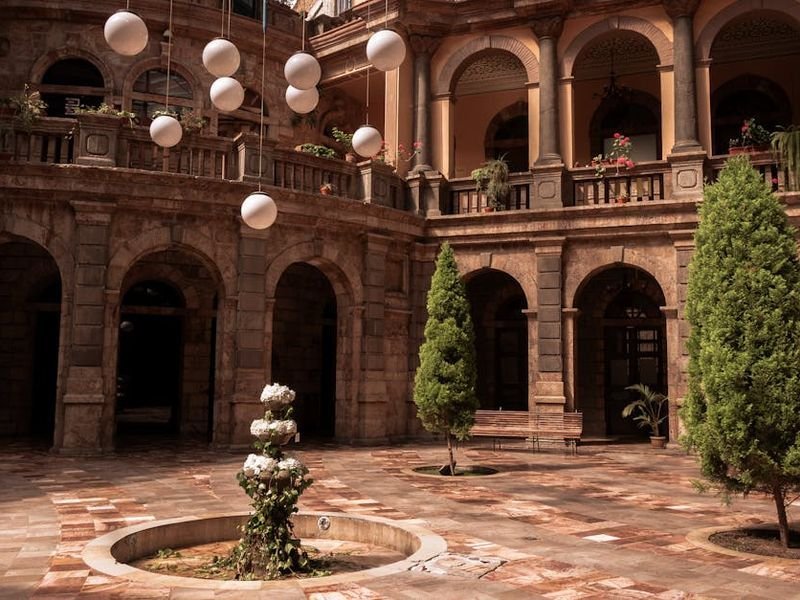
Cuenca, Ecuador’s UNESCO-listed jewel, has quietly become a favorite destination for people seeking affordable, high-quality dental care with the bonus of beautiful surroundings. The city blends well-regarded private clinics and bilingual dentists with an easygoing pace—perfect for recovering between appointments. At about 2,560 meters above sea level, Cuenca’s crisp mountain air, walkable historic center, and nearby national parks make it a gentle place to rest and recuperate.
Start With a Clear Game Plan: Steps to Prepare
Planning is everything for a successful dental vacation. Begin by collecting copies of your recent dental records and X-rays; many clinics will accept digital files. Research several clinics and ask for detailed treatment plans, including timelines, materials used (titanium implants, zirconia crowns, etc.), and total costs. Get written estimates that list all components: implants, abutments, crowns, lab fees, anesthesia, and post-op visits.
Decide whether your procedure can be completed in a single trip. Fillings and crowns often take a few days; some clinics use CAD/CAM milling (CEREC) to deliver same-day crowns. Implants usually require a staged approach and several months of healing, although immediate-load options exist. If implants are needed, plan for at least one extended stay and a possible shorter follow-up trip.
Choosing the Right Clinic and Dentist
Not all dental clinics are the same—look for credentials, modern sterilization protocols, and up-to-date imaging like digital radiographs or cone beam CT (CBCT). Ask whether the dentist is registered with Ecuadorian professional associations and if they have international training or patient testimonials. Request before-and-after photos of similar cases and contactable patient references whenever possible.
Many Cuenca clinics cater to English-speaking patients. Still, consider bringing a Spanish-speaking companion or using a translation app if you’re not confident in Spanish. Useful dental terms to know: dentista or odontólogo (dentist), corona (crown), implante (implant), empaste (filling), endodoncia (root canal), radiografía (X-ray), limpieza (cleaning).
Budgeting: What to Expect and How to Save
Costs in Cuenca are commonly lower than in North America or Europe, often by 40–70%, but prices vary. Simple procedures like cleanings and fillings are inexpensive; crowns, veneers, and implants are significantly more affordable but ask for itemized quotes to compare apples to apples. Clarify whether the estimate includes the lab-made crown, temporary restorations, follow-up visits, and possible complications.
Confirm payment methods—many clinics accept credit cards, bank transfers, or cash (Ecuador uses the US dollar). Some clinics offer financing plans or discounts for bundled treatments. Also budget for travel, accommodations, meals, and leisure activities while you recover.
Choosing Where to Stay: Neighborhoods and Comfort
To make recovery easy, choose lodging within walking distance of your clinic. The historic center (El Centro Histórico) around Parque Calderón is the most convenient: cobblestone streets, cafes, pharmacies, and clinics are close by. For quieter views, consider Turi—higher up with panoramic vistas but a short taxi ride from the downtown area. Short-term rentals and boutique hotels in both neighborhoods offer an extended-stay comfort that many dental travelers prefer.
When booking, look for places with comfortable bedding, reliable Wi-Fi for tele-dental follow-ups, and a kitchenette so you can prepare soft meals after procedures. Many hotels and hostels can recommend nearby pharmacies and delivery services—handy if you need antibiotics or pain meds after hours.
Sample 7-Day Dental Getaway Itinerary
Here’s a practical schedule you can adapt depending on your treatment:
- Day 1: Arrive in Cuenca (Mariscal Lamar Airport), settle into your accommodation, short walk around Parque Calderón, and a light meal.
- Day 2: Initial consultation, digital X-rays, and final treatment plan confirmation. Light sightseeing in the afternoon—visit Museo Pumapungo or walk the riverfront (Tomebamba).
- Day 3: Procedure day for conservative work: fillings, extractions, or a cleaning. Rest in your room afterward; plan soft foods and avoid alcohol.
- Day 4: Post-op check and maybe impressions for crowns or temporary restorations. Gentle activities: a spa treatment or easy stroll through the artisan markets of El Mercado 9 de Octubre.
- Day 5: Recovery day with a day trip to Cajas National Park for light hiking (pack layers for high altitude) or a visit to Chordeleg for silver jewelry shopping.
- Day 6: Final adjustments or delivery of prosthetics if the clinic offers same-day crowns. Enjoy a relaxed evening—try local cuisine (opt for softer dishes like soups, rice, and stewed meats).
- Day 7: Final check, obtain written aftercare instructions, and prepare for departure. Schedule a remote follow-up if needed.
Recovery Tips: Eat, Sleep, and Move Wisely
After dental work, plan for soft, nutritious foods: mashed potatoes, smoothies, soups, avocado, yogurt, and scrambled eggs. Avoid crunchy, very hot, or spicy items for a few days. Stay hydrated—Ecuador’s highlands can be dry. Limit alcohol and smoking, which delay healing.
Sleep with an extra pillow or two to keep your head elevated if you’ve had extractions or implant surgery—this can reduce swelling. Follow the dentist’s medication instructions closely. If antibiotics or painkillers are prescribed, confirm the names and dosages and note any allergies you may have. Keep ice packs on hand for the first 24–48 hours and use gentle saltwater rinses starting when your dentist recommends.
Sightseeing Without Straining Your Recovery
Cuenca offers low-impact activities that pair well with dental rest. Stroll the banks of the Tomebamba River, admire the blue-domed New Cathedral, and browse artisan shops in San Blas and the nearby markets of Gualaceo. Museums like Pumapungo and the Museo del Banco Central provide cultural immersion without physical strain.
For a breath of fresh air, head to Cajas National Park for short, well-marked trails amid lakes and páramo landscapes—avoid strenuous hikes immediately after procedures. If you want relaxation closer to town, many spas and massage studios in Cuenca offer healing therapies; ask your dentist about massage timing if you’ve had surgery.
Communication and Tele-Dentistry: Stay Connected After You Leave
Before you depart, request a written treatment summary with recommended follow-up intervals and clear instructions about what to do if complications arise. Many clinics offer tele-dentistry follow-ups via WhatsApp, Skype, or Zoom—confirm how to reach them after you return home.
Keep digital copies of prescriptions, X-rays, and any laboratory reports. If your home dentist needs to be involved later, this documentation helps streamline care and reduces the risk of confusion.
Safety, Legalities, and Insurance Considerations
Cuenca is generally considered safe by international standards, particularly in tourist areas. Still, practice normal travel caution: keep valuables secured, avoid poorly lit areas at night, and use reputable taxis or rideshare services when returning late.
Health insurance rarely covers overseas dental procedures, so verify coverage ahead of time. Some travel insurers offer medical evacuation and emergency coverage that can be helpful. Ask the clinic about guarantees or warranties for prosthetics and implants—understand the terms for adjustments, repairs, or replacements.
What to Pack for a Comfortable Trip
- Copies of dental records and recent X-rays on USB or emailed to yourself and the clinic.
- Comfort items: travel pillow, favorite toiletries, and a soft-bristled toothbrush for aftercare.
- Medications: bring any regular meds in original containers and a few basic OTC pain relievers cleared by your dentist.
- Soft-food staples for the first few days: protein powder, instant oats, shelf-stable soups, and snack bars.
- Translation app and a list of Spanish dental terms.
- Health insurance card, passport, and copies stored separately.
Final Checklist Before You Book
Confirm the following items before you lock in your travel plans: a detailed treatment plan in writing, a clear timeline for procedures and healing, an itemized cost estimate, the dentist’s credentials, and a plan for follow-up care—both in Cuenca and remotely. Check entry requirements for Ecuador for your nationality (many travelers receive 90 days visa-free, but rules change—confirm with your embassy) and ensure your passport is valid for your trip.
Bringing It All Together
Dental tourism in Cuenca can be a smart, rejuvenating choice when you plan carefully. Pairing dental care with the city’s relaxed pace, beautiful architecture, and nearby nature gives you a chance to heal while enjoying an authentic Ecuadorian experience. By choosing reputable providers, arranging comfortable accommodations close to your clinic, and building in downtime for recovery, you’ll return home with a brighter smile—and a refreshed outlook.
Remember: good planning is your best anesthetic. Book consultations, compile records, and leave space in your itinerary for rest. With the right preparation, your Cuenca dental getaway can be both effective treatment and a restorative mini-vacation.