
Table of Contents
Overview: Quito to Cuenca — What to Expect
Traveling between Quito and Cuenca is a classic Andean journey that takes you from Ecuador’s northern capital to one of its most charming colonial cities. Each option—plane, bus, or car—has clear advantages: speed, economy, or flexibility. This guide gives you realistic travel times, practical costs, safety tips, and what to expect on arrival in Cuenca so you can choose the best way to journey across the Sierra.
Quick comparison at a glance
- Plane: Fastest (about 45–60 minutes flight), best for tight schedules; factor in airport time.
- Bus: Most budget-friendly and scenic by road; expect 7–10 hours depending on service and stops.
- Car: Best for flexibility and sightseeing en route; expect 7–9 hours driving time, weather and traffic dependent.
By Plane: Fastest Option — What to Know
Flying is the quickest way to move between Quito and Cuenca. Flight time is usually under an hour, though total travel time includes airport transfers, check-in, and security. Quito’s international airport (Mariscal Sucre, UIO) sits east of the city—plan 30–60 minutes from central Quito depending on traffic. Cuenca’s airport (Mariscal Lamar, CUE) is very close to the city center, typically a 15–25 minute drive.
Pros and cons of flying
- Pros: Saves time, good for short trips or tight itineraries, comfortable.
- Cons: More expensive than the bus; airlines have baggage limits and airport delays can add time.
Booking tips and practicalities
Domestic flights are offered by major carriers; book in advance for the best fares. Allow at least 90 minutes at airports for check-in and security—domestic flights often board early and can be subject to weather or operational delays. From Mariscal Lamar in Cuenca, use official airport taxis or arrange hotel transfers; ride-hailing apps are available in Ecuador but availability and legality can vary, so confirm before you travel.
By Bus: Cheap, Comfortable, and Scenic
Buses are the classic way to travel between Quito and Cuenca. They connect major terminals and towns along the Pan-American route, passing through highland landscapes, agricultural valleys, and smaller Andean towns. Expect journey times between 7 and 10 hours depending on whether you choose an express service or a route with several stops.
Types of bus services
- Executive / cama seats: Reclining seats, sometimes with blankets and snacks; more comfortable for overnight travel.
- Semi-cama / standard: Economical and common; good for daytime trips.
- Overnight buses: Save a night’s accommodation and arrive early, but bring earplugs and a neck pillow.
Where to catch the bus
In Quito, long-distance buses to the south typically depart from the south terminal (Quitumbe) though some services may leave from other terminals. In Cuenca, buses arrive at the central terminal—close enough to the historic center that a short taxi or city bus ride will take you to hotels. Always confirm departure and arrival points when buying tickets.
Buying tickets and fares
Tickets can be purchased at the terminal, at company offices in town, or online through booking platforms. Prices vary by service class and company—budget for a modest fare on the cheaper end and higher prices for executive buses. During holiday periods like Semana Santa, Christmas, or local festivals, buy your ticket in advance.
By Car: Freedom to Explore the Highlands
Driving gives you the freedom to stop for photos, visit towns like Ambato and Riobamba, or detour to attractions such as the Nariz del Diablo train section near Alausí or the Ingapirca ruins beyond Cañar. The distance is roughly 450–480 kilometers depending on the route, and typical driving time is around 7–9 hours without long stops.
Best driving route and road conditions
The main route follows the Pan-American Highway (Troncal) through highland valleys. Roads are generally paved and in good condition on the primary route, but mountain driving includes winding sections and steep gradients. During the rainy season, watch for occasional landslides or neblina (mountain fog). Always review local traffic advisories before setting out.
Renting a car and local rules
- Rent from reputable agencies—international or well-reviewed local firms—and check insurance details carefully.
- Carry your driver’s license (an International Driving Permit is recommended for some renters), passport or ID, and rental documents.
- Fuel prices and fuel types: Ecuador uses gasoline grades; ask the rental company about fuel economy to estimate costs and plan stops in larger towns where services are reliable.
- Avoid driving at night in rural sections; mountain roads can be poorly lit and animals or slow vehicles may be on the road.
Safety and Practical Tips for Any Mode
All travel methods require some planning. Keep these general tips in mind to make your trip smoother and safer:
- Bring layered clothing—Andean weather changes quickly. Even if Quito and Cuenca are similar in altitude, mornings can be cool and afternoons warm.
- Keep photocopies of your passport and important documents separate from the originals.
- If taking luggage on buses, use locks and keep valuables close. For flights, check luggage allowances to avoid extra charges.
- Travel insurance that covers medical evacuation and trip interruptions is advisable, especially if you plan to hike in nearby parks like Cajas.
- Be mindful of altitude: Quito (~2,850 m) is slightly higher than Cuenca (~2,560 m), so descending generally eases altitude symptoms, but take it easy if you’ve recently arrived from sea level.
Arriving in Cuenca: Where to Go and What to Do
Cuenca is compact and walkable, with a historic center full of plazas, churches, and museums. Whether you arrive by plane, bus, or car, plan a first afternoon exploring these highlights:
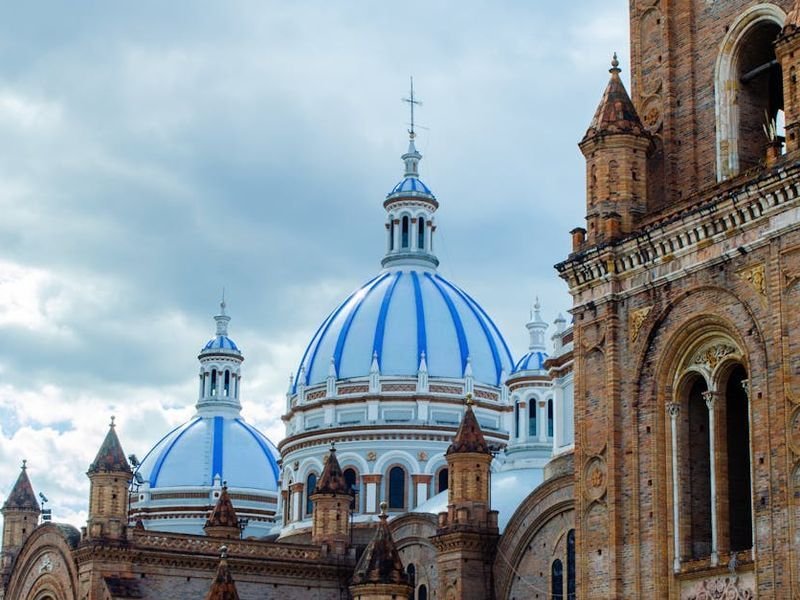
- Parque Calderón and the New Cathedral (Catedral de la Inmaculada Concepción)
- Museo Pumapungo and the nearby indigenous artisan markets
- El Mirador de Turi for panoramic city views, especially at sunset
- Sample local specialties: mote pillo, hornado, and in specialized restaurants, cuy (guinea pig)
Cuenca is also a great base for day trips: Cajas National Park (about an hour away) offers highland lakes and hiking; the Ingapirca archaeological site is a reasonable half-day/tourist route southwards; and small towns like Gualaceo and Chordeleg are famous for textiles and silverwork.
Cost Considerations and Environmental Impact
Typical cost trends:
- Plane: Highest direct cost but saves time.
- Bus: Most economical; especially attractive for budget travelers.
- Car: Costs vary—fuel, tolls, rental, and insurance can add up—but allow you to explore at your own pace.
Consider environmental impact when choosing. Flying has the largest carbon footprint per passenger, while buses are often the most eco-friendly public option. If driving, consider carpooling or renting a fuel-efficient vehicle.
Sample Itineraries
48-hour quick trip (ideal for time-pressed travelers)
- Day 1: Fly early from Quito and arrive in Cuenca mid-morning. Walk the historic center, visit the cathedral, and enjoy local cuisine. Sunset at Turi.
- Day 2: Short morning trip to Cajas National Park or a market visit, afternoon flight back to Quito.
Slow travel (by car, 3–5 days)
- Day 1: Drive from Quito to Riobamba—stop at scenic viewpoints and have lunch in Ambato.
- Day 2: Continue south, detour to Alausí to see the Nariz del Diablo area or take a train segment; overnight near Cañar or Ingapirca.
- Day 3: Arrive in Cuenca, explore markets, and relax in the historic center.
Final Checks Before You Leave
- Confirm bookings: flight times, bus departure points, or car rental pickup.
- Pack a small travel kit: water bottle, snacks, layers, a power bank, and a printed map or offline map app—cell service can be spotty in mountain valleys.
- If you’re driving, check the vehicle’s spare tire, fluids, and emergency kit.
- Inform your accommodation of your expected arrival time, especially if arriving late at night.
Conclusion: Choose What Fits Your Trip
There’s no universally “best” way to go from Quito to Cuenca—only the best way for your travel style. Fly if time is tight, take the bus if you want to save money and watch the landscape roll by, or drive if you crave flexibility and side trips. Whichever mode you pick, the route between these cities offers memorable scenery, cultural stops, and a warm welcome in Cuenca’s plazas and cafes. Plan a little, pack smart, and enjoy the journey through Ecuador’s highland heart.