
Table of Contents
Why Cuenca is a Great Choice for a Dental Vacation
Cuenca, Ecuador, draws thousands of dental tourists each year with its combination of modern dental services, English-speaking staff, and affordable prices. The city’s colonial charm, mild climate, and well-established expat community make it easy to combine quality dental care with a pleasant recovery period. Ecuador uses the US dollar, which simplifies budgeting, and Cuenca’s compact historic center means low transport costs and lots to see while you heal.
How to Research and Vet Dental Clinics Before You Book
Good planning begins online. Start with clinics that publish itemized treatment plans, before/after photos, and biographies of their dentists. Look for evidence of continuing education, membership in local professional groups (for example, the provincial Colegio de Odontólogos), and transparent information about in-office technologies—CBCT scans, digital impressions, and CAD/CAM milling often indicate an investment in reliable workflows.
Questions to Ask Prospective Clinics
- Can you send a full, itemized treatment plan, timeline, and cost estimate?
- Do you offer digital imaging (CBCT) and in-house lab work or partnerships with local labs?
- Are English-speaking staff available for consultations and follow-ups?
- What brands and warranties do you provide for implants, crowns, or prosthetics?
- Do you provide sedation options if needed, and what are the anesthesia protocols?
Costs and Typical Price Ranges in Cuenca
While prices fluctuate, you can expect notable savings versus the United States or Canada. Typical ballpark ranges in Cuenca (USD):
- Routine cleaning: $25–$60
- Filling (composite): $30–$90
- Root canal (molar): $80–$250
- Crown (porcelain-fused-to-metal): $150–$400
- All-ceramic crown (e.max/Zirconia): $250–$600
- Single dental implant (surgery + abutment + crown): $800–$2,000
- Partial/full denture: $200–$900
These ranges are general; ask clinics for full quotes that include lab fees, temporary restorations, and follow-up visits.
Plan Your Timeline: How Much Time Do You Need?
Procedures range from single-day treatments to multi-month plans. Here are typical scenarios to help you schedule:
- Short Trip (3–7 days): cleanings, fillings, single crowns if the clinic offers same-day CAD/CAM crowns, and uncomplicated extractions.
- Medium Trip (7–14 days): multiple crowns, veneers, complex extractions with bone grafting, or minor implant placements with temporary restorations.
- Long or Staged Trip (several months): full-arch implants (All-on-4), implant-supported bridges—these often require surgery, several months of healing, and a return visit for final prosthetics.
Whenever implants are involved, discuss immediate temporization (same-day temporary teeth) versus delayed loading. Many clinics in Cuenca can provide temporary solutions to make your recovery more comfortable while final prosthetics are fabricated.
How to Maximize Value: Bundling and Scheduling Strategies
Get the most for your money by thinking in terms of efficiency and bundling:
- Book a comprehensive consultation that includes digital x-rays or a CBCT scan up front—this reduces surprises and extra trips.
- Ask about in-house labs and CAD/CAM systems for same-day crowns to reduce waiting time and additional travel.
- Bundle related procedures—periodontal therapy, whitening, and prosthetic work are often cheaper when scheduled together with restorative treatments.
- Negotiate package pricing for full-mouth or multiple implants—clinics expect to compete and often offer discounts for larger cases.
Where to Stay and Which Neighborhoods are Convenient
Stay near the historic center if you want easy access to appointments and attractions. Neighborhoods to consider:
- El Centro (Historic Old Town): Walkable, close to Parque Calderón, many boutique hotels and restaurants—ideal for short stays between appointments.
- San Sebastián / Calle Larga: Quieter, traditional architecture, good cafes and artisanal shops—great for slower recovery days.
- Turi and Yanuncay areas: Slightly higher elevation but peaceful with great views; taxis to downtown are inexpensive.
Look for accommodations with a kitchenette if you need soft food preparation during recovery. Many Airbnb options and small hotels cater to dental tourists; read reviews for quietness and accessibility.
Travel Logistics: Flights, Getting to Cuenca, and Local Transport
Cuenca’s Mariscal Lamar International Airport (CUE) is convenient for domestic and regional flights. Some travelers fly into Quito or Guayaquil and take a short domestic flight to Cuenca. Land travel is also comfortable—VIP buses from Quito or Guayaquil to Cuenca are modern and affordable.
Within Cuenca, taxis are cheap and plentiful; negotiate the fare or ask the driver to use the meter. Ride-hailing services may be available but are not as ubiquitous as in major US cities. Many dental offices will arrange pickups for out-of-town patients—ask about that when booking.
Language and Communication Tips
Spanish is the primary language, but many clinics serving international patients have English-speaking coordinators. Use WhatsApp for pre-trip communication—it’s widely used in Ecuador. Bring a list of key phrases or use translation apps for simple conversations. During the consultation, request that treatment plans and consent forms be provided in writing and in a language you understand.
Health, Altitude, and Recovery Considerations
Cuenca sits at about 2,560 meters (8,400 feet). Most people adapt easily, but altitude can affect bleeding, swelling, and general fatigue—especially after surgery. Tips to manage altitude and recovery:
- Arrive one to two days early to acclimatize before any major surgery.
- Stay hydrated and avoid alcohol the first 48–72 hours after anesthesia or surgical procedures.
- Plan fewer strenuous activities immediately after implant surgery—stick to short walks around the Plaza and gentle sightseeing.
- Ask your dentist about antibiotics, anti-inflammatories, and a clear aftercare plan; major clinics will provide prescriptions—bring them with you when you fly home if allowed.
Medications, Pharmacies, and Follow-up Care
Large pharmacy chains like Fybeca and Cruz Azul are easy to find in Cuenca and stock common antibiotics, analgesics, and oral rinses. It’s wise to bring copies of prescriptions and a list of medications you may need. Request extra supplies of post-op care items—gauze, chlorhexidine mouthwash, and any specific pain medication—before you leave.
Insurance, Warranties, and Legal Protections
Dental tourism is usually paid out of pocket. Ask clinics about warranties on prosthetics and implants; many reputable dentists offer multi-year guarantees if you return for maintenance as recommended. Keep all documentation, X-rays, and receipts. Before departure, make sure you have emergency contact information and a plan for complications—this could be a local clinic’s emergency number or a coordination agreement for remote consultations.
Combining Tourism and Recovery: What to Do in Down Time
Your recovery days are a perfect opportunity to enjoy Cuenca at a gentle pace. Consider low-impact activities that won’t strain your healing mouth:
- Park-side walks: Parque Calderón and the Tomebamba River promenade are ideal for easy strolls.
- Scenic drives: The Turi viewpoint offers panoramic city views with minimal walking.
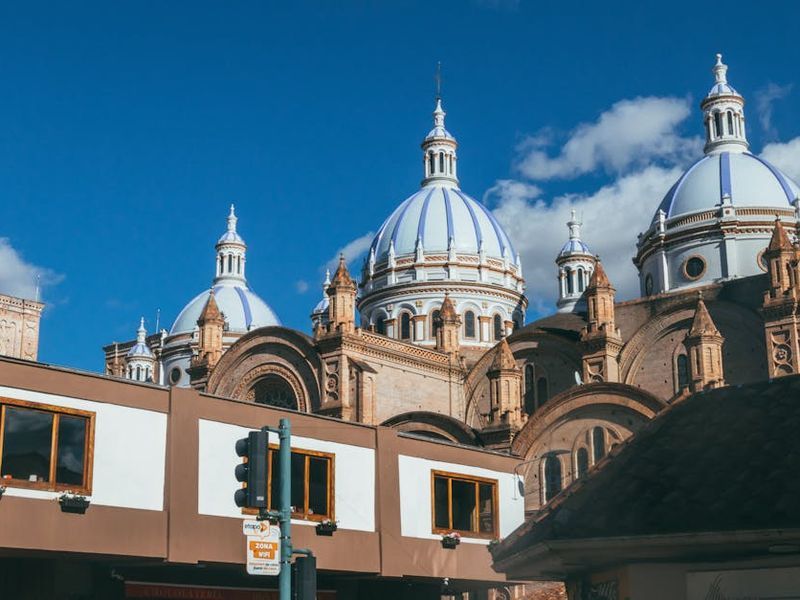
- Cultural visits: Pumapungo Museum and the New Cathedral are accessible and enriching.
- Nature trips: A gentle day trip to El Cajas National Park for short hikes—allow for altitude effects.
- Food: Try soft local dishes like avocado soup, locro de papa (potato soup), or pureed fruit smoothies while avoiding crunchy or hard foods.
Safety and Practical Tips Specific to Cuenca
Cuenca is one of Ecuador’s safest cities, but normal travel caution applies. Keep valuables secure, avoid poorly lit areas at night, and use taxis instead of walking late. For health safety, most expats drink bottled water initially; many long-term residents drink tap water without problems, but follow your dentist’s instructions regarding oral hygiene and rinses post-treatment.
Packing Checklist for a Dental Vacation
- Copies of all medical and dental records, X-rays, and your passport
- Medication list and prescriptions—include dosage instructions
- Extra travel-sized oral rinse, soft toothbrush, and toothpaste recommended by your dentist
- Comfort items: neck pillow, soft food snacks (applesauce, yogurt), reusable water bottle
- Phone with international data or a local SIM for WhatsApp communications
- Small travel ice packs and a thermometer for home monitoring of swelling/fever
Common Mistakes to Avoid
Some pitfalls can reduce the value of your trip. Avoid these common mistakes:
- Skipping a full, in-person consultation: images and physical exams catch things online consultations may miss.
- Underestimating recovery time: schedule buffer days to avoid rushing home while healing.
- Not verifying materials: cheap implants or crowns can save money short-term but cost more in the long run.
- Failing to get documentation: always get written treatment plans, warranties, and receipts before payment.
Example Itineraries
Five-Day Value Trip (Crowns, Fillings, Simple Extractions)
- Day 1: Arrival and light acclimatization; consult with dentist and imaging.
- Day 2: Preparations (impressions); temporary crowns inserted if needed.
- Day 3: Final crowns placed (if same-day CAD/CAM) or adjustments.
- Day 4: Follow-up, polishings, and post-op instructions.
- Day 5: Leisure day and departure.
Two-Week Implant Trip (Surgical + Temporary)
- Week 1: Initial consultation, CBCT, implant placement. Healing instructions and temporary prosthesis provided.
- Week 2: Check-up, suture removal if needed, adjustments to temporary prosthesis, and leisure time for sightseeing.
- Return visit in 3–6 months for final restoration, or arrange to have the final crowns completed locally if the clinic offers an international delivery plan.
Final Thoughts: Making the Most of Your Dental Trip to Cuenca
A dental vacation in Cuenca can deliver substantial savings and high-quality care when you plan carefully. Prioritize transparent communication, realistic timelines, and local logistics like altitude and transportation. By bundling services, confirming warranties, and scheduling downtime to enjoy the city’s culture and scenery, you can walk away healthier, with a brighter smile and memorable travel experiences.
Take time to research, get second opinions if needed, and treat your trip as both a medical journey and a short vacation—Cuenca’s hospitable streets, historic plazas, and welcoming expat network make it an excellent place to recover and refresh.