
Table of Contents
Why the Southern Highlands Deserve a Spot on Your Ecuador Itinerary
The southern highlands of Ecuador offer a blend of colonial charm, Andean landscapes and low-key wellness villages. Cuenca’s UNESCO-listed center, Loja’s musical culture, and Vilcabamba’s relaxed lifestyle make a perfect triangle for travelers who want history, nature and a slower pace. This guide gives practical tips, local insights and day-by-day ideas so you can travel confidently between these three distinctive destinations.
Quick Orientation: Altitude, Weather and Best Time to Visit
Altitudes vary dramatically here: Cuenca sits high on the southern plateau at roughly 2,500 meters (about 8,200 ft), Loja is slightly lower, and Vilcabamba lies in a warmer valley around 1,500 meters (4,900 ft). That elevation gradient creates microclimates — Cuenca feels cool and dry, Loja is mild year-round, and Vilcabamba is noticeably warmer and more subtropical.
The southern highlands are comfortable almost all year; the dry season (June–September) brings clearer skies for hiking and photography, while the wetter months (October–May) produce lush landscapes and fewer tourists. Pack layers for cool evenings and a light rain jacket for mountain showers.
Getting Around: Buses, Taxis and Air Connections
Inter-city travel in southern Ecuador is straightforward. Buses connect Cuenca, Loja and Vilcabamba frequently and are comfortable for these relatively short trips — expect multi-hour journeys depending on stops and road conditions. Book ticket windows at bus terminals or have your hotel arrange transfers on busy weekends or holidays.
Cuenca has a domestic airport with flights to Quito and Guayaquil, which can be useful if you want to combine the southern highlands with other parts of Ecuador and save time. Within cities, taxis and ride-hailing apps operate; always confirm the fare upfront for taxis if they do not use a meter.
Cuenca: The Colonial Heart with Modern Conveniences
Where to Stay and Neighborhoods to Know
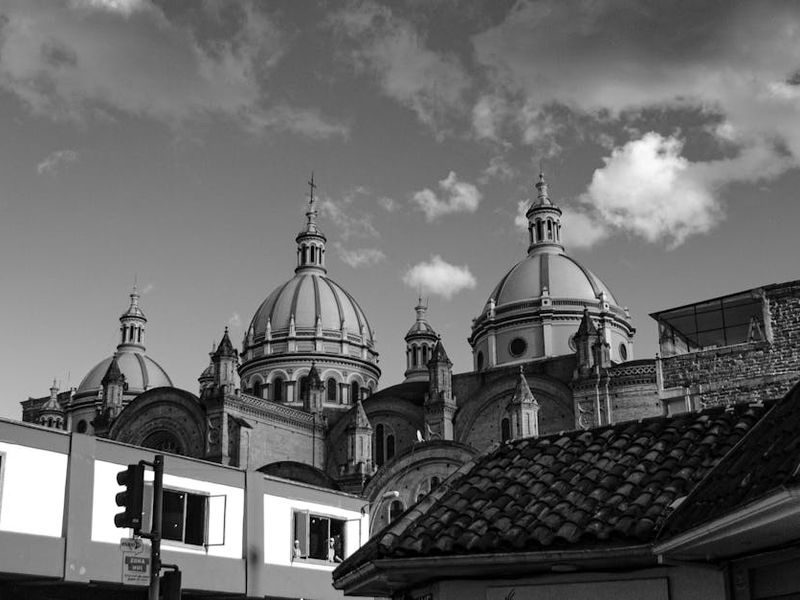
First-time visitors usually prefer staying near Parque Calderón or El Centro — you’ll be within walking distance of the blue domes of the Catedral Nueva, museums, and many restaurants. For views and a quieter atmosphere, the hilltop neighborhood of Turi has scenic lookouts and artisan stalls. Expats who plan longer stays often choose neighborhoods with accessible markets and good internet, such as El Batán or near the Tomebamba River.
Must-See Sights and Cultural Picks
Cuenca’s compact historic center is perfect for strolling. Don’t miss Pumapungo, an archaeological site and museum that offers insight into pre-Columbian cultures and Inca influence. Walk along the Tomebamba River to discover artisan shops, small cafes and the city’s many bridges. The Parque Calderón is a great starting point for exploring surrounding streets, churches and outdoor markets.
Food and Markets
Cuenca’s culinary scene combines hearty Andean fare with contemporary cafes. Try local staples like hornado (roast pork), mote pillo (scrambled corn and egg), and the occasional cuy (guinea pig) for a traditional experience. Mercado 9 de Octubre and smaller neighborhood markets are excellent for fresh fruit, local cheeses and sampling street food. Cafes here offer great coffee and a growing vegetarian/vegan scene.
Practical Tips for Cuenca
- Health: Cuenca has good private clinics and a reliable public hospital system. Many expats use private clinics for quick appointments.
- Connectivity: Internet is fast in most central areas; SIM cards are easy to buy in the city with ID.
- Water: Locals often drink tap water, but if you prefer caution, use filtered or bottled water.
- Money: Ecuador uses the US dollar. ATMs are common, but carry small bills for markets and taxis.
Day Trips from Cuenca: Mountains, Ruins and Crafts
Cuenca is a great base for several rewarding day trips. Cajas National Park, with its highland lakes and short hiking loops, is perfect for photographers and hikers who want dramatic Andean scenery. The Ingapirca ruins (the country’s largest Inca archaeological complex) can often be combined with visits to small towns that showcase local traditions.
Artisan villages are within reach: Chordeleg is famed for silver filigree jewelry, and Gualaceo has textile markets and woven goods. These towns are ideal if you love shopping for handmade souvenirs and watching artisans at work.
Loja: Ecuador’s Musical and Cultural Retreat
What Makes Loja Special
Loja is quieter than Cuenca and is often called Ecuador’s cultural capital because of its strong music scene, conservatories and artistic festivals. The city’s mellow pace and tree-lined plazas make it comfortable for extended stays and cultural immersion. Expect intimate concert venues, public music education programs and a community that prizes the arts.
Things to See and Do in Loja
Explore Loja’s central plazas, small but engaging museums, and artisan markets. Nature lovers can use Loja as a gateway to cloud forests and birdwatching areas nearby. Hiking trails around the surrounding hills reward with panoramic views and the chance to spot local flora and fauna.
Loja also has a relaxed culinary scene — regional specialties often include locally grown fruits, traditional stews and excellent coffee. It’s a great place to engage with local musicians or catch a public concert if your trip coincides with cultural events.
Vilcabamba: Rest, Recreation and the ‘Valley of Longevity’
Why Travelers Flock to Vilcabamba
Vilcabamba’s reputation as a wellness escape draws visitors seeking a slower pace, yoga retreats, and easy hiking near warm river valleys. The valley’s microclimate is mild and pleasant, making it an appealing contrast to the higher, cooler towns around it. You’ll find healthy eateries, artisanal markets and a laid-back international community.
Outdoor Activities and Relaxation
Popular activities in and around Vilcabamba include day hikes to viewpoints, visiting botanical gardens, horseback riding and simple river walks. The town offers numerous retreats focused on yoga, meditation and healthy eating. While the longevity claims around Vilcabamba have been debated, the environment — clean air, fresh food and active outdoor life — certainly supports wellbeing.
Sample 8–10 Day Southern Highlands Itinerary
Here’s a balanced route to experience the highlights without rushing:
- Days 1–3: Arrive in Cuenca. Explore the historic center, markets and museums. Take an evening stroll along the Tomebamba River.
- Day 4: Day trip to Cajas National Park for lakes and short hikes.
- Day 5: Visit artisan towns like Chordeleg or Gualaceo for crafts and local markets.
- Days 6–7: Travel to Loja. Attend a small concert or explore the surrounding cloud forests and nature reserves.
- Days 8–9: Head to Vilcabamba for relaxation, wellness activities and easy hikes.
- Day 10: Return to either Loja or Cuenca to catch onward transportation.
Budgeting and Costs
The southern highlands are generally affordable compared with many North American and European cities. Budget travelers will find inexpensive hostels and local buses; mid-range travelers can enjoy comfortable hotels, private transport and excellent restaurants without breaking the bank. Cuenca, in particular, has a well-developed expat infrastructure that includes co-working spaces, international grocery options and mid-range to upscale dining.
Safety, Health and Local Customs
Crime in the southern highlands is generally low compared to larger urban centers, but the usual precautions apply: watch your belongings in crowded places, use reputable taxis at night, and be wary of overly friendly strangers soliciting money or rides. Healthwise, allow a day or two to acclimatize to the higher elevation in Cuenca to avoid mild altitude symptoms. If you have a pre-existing condition, check with your doctor before traveling.
Spanish is the dominant language; learning a few key phrases will greatly improve your interactions and show respect for local culture. Tipping is appreciated in restaurants (10% if not included) and for good service in hotels or tours.
Packing Essentials and Final Tips
- Layers and a light rain jacket: Evenings can be chilly at higher altitudes.
- Sunscreen and a hat: UV exposure is stronger in the highlands.
- Comfortable walking shoes: Cobblestone streets and hiking trails demand good footwear.
- Copies of travel documents and a small first-aid kit: Helpful for remote walks or day trips.
- Reusable water bottle with filter: Convenient and eco-friendly.
Finally, leave room in your schedule for unplanned discoveries. The southern highlands reward slow travel — lingering over coffee in a plaza, chatting with a local artisan, or detouring to a tiny village market can be the most memorable parts of a trip.
Wrapping Up: A Region That Balances Culture, Nature and Rest
Cuenca, Loja and Vilcabamba each offer something different: colonial architecture and modern comforts, a rich music and arts scene, and restorative valley life. Whether you’re planning a short cultural tour or a longer exploration with an eye toward relocation or extended stay, Ecuador’s southern highlands present approachable adventures, friendly communities and landscapes worth savoring. Use this guide as a starting point, and you’ll find plenty of local surprises along the way.