
Table of Contents
Published: | Category: Travel Health, General Interest
Packing your passport, booking flights, and researching hidden gems are par for the course when planning an epic journey. But what about your smile? For many, dental health is an afterthought until a sharp pain or a chipped tooth threatens to derail weeks of meticulous planning. Integrating proactive dental care into your travel routine isn’t just about avoiding pain; it’s about securing peace of mind and ensuring your adventures remain uninterrupted. This guide is your passport to understanding why a pre-travel dental check-up is non-negotiable and how to safeguard your oral wellness, no matter where your wanderlust leads.
Part 1: The Pre-Travel Dental Check-Up – Your First-Class Ticket
Think of a dental appointment before a big trip as a systems check before a long-haul flight. It’s prevention-focused and can save you from a crisis mid-vacation.
1.1 The Comprehensive Examination: More Than a Quick Look
A thorough exam with X-rays can reveal hidden issues like:
- Incipient cavities: Small decay that hasn’t caused pain yet but could buckle under the pressure of new cuisines or altitude changes.
- Potential wisdom tooth problems: Partially erupted wisdom teeth are a common source of infection and pain, often triggered by travel fatigue or dietary changes.
- Weak or compromised dental work: Old fillings, crowns, or bridges may need reinforcement before you embark on a journey involving hard, sticky, or exotic foods.
- Gum disease: Inflammation can worsen quickly without proper hygiene, especially when routines are disrupted.
Pro-Tip: Schedule this appointment at least 2-4 weeks before departure. This window allows time for any necessary treatment (like a filling or crown adjustment) to heal and settle, ensuring you travel in comfort.
1.2 Proactive Treatments & Cleanings
This is your opportunity to:
- Get a professional cleaning: Removes plaque and tartar buildup, giving you a fresh, healthy start and reducing the risk of gingivitis or periodontitis during your trip.
- Have a fluoride treatment: A high-concentration fluoride varnish or gel application provides a powerful, protective shield for your enamel for weeks, helping to fend off decay from sugary treats and acidic drinks abroad.
- Address any “niggling” issues: That occasional sensitivity or rough edge on a tooth? Get it fixed now. Small problems are quick and inexpensive to resolve at home versus becoming a costly emergency abroad.
Part 2: The On-The-Road Dental Survival Kit
Once you’re traveling, maintenance is key. Your kit should go beyond a toothbrush and paste.
2.1 Essential Packing List for Your Smile
- Your primary toothbrush (consider a travel case with ventilation).
- Fluoride toothpaste – a small tube is fine, but bring it!
- Dental floss or interdental brushes (non-negotiable for removing food debris in tight spaces).
- Travel-sized mouthwash (alcohol-free is less drying).
- Orthodontic wax (if you have braces, retainers, or uneven teeth that can irritate cheeks).
- Pain relief medication (e.g., ibuprofen or acetaminophen) for potential toothaches or jaw pain.
- A small dental first-aid kit containing temporary filling material (like Dentemp) and clove oil (a natural analgesic for tooth pain).
- A spare retainer or night guard case (if you use one).
2.2 Navigating Dietary Temptations
Exploring local cuisine is the heart of travel, but your teeth will thank you for moderation with:
- Excessively sticky candies (toffees, caramel) that pull at fillings.
- Hard foods like unbaked breads, hard candies, or using teeth to open packages.
- Frequent sugary/acidic drinks (soda, sweetened iced tea, fruit juices). Sip water in between to rinse.
- Using teeth as tools – never open bottles, tear tags, or bite nails.
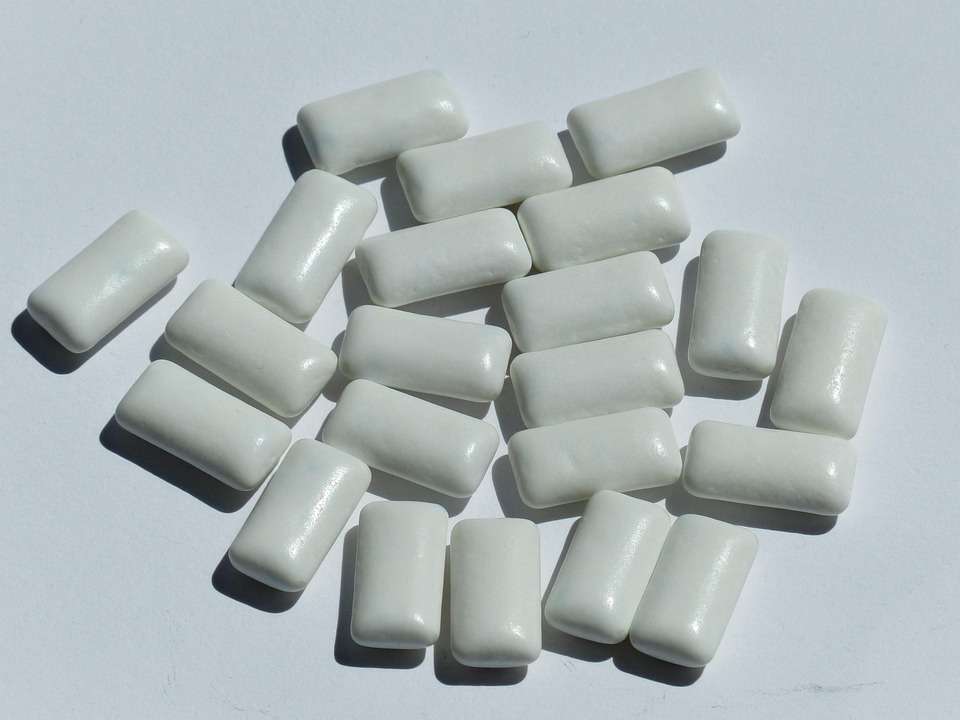
Remember: After enjoying acidic foods or drinks (citrus, wine, vinegar-based dressings), wait 30 minutes before brushing. The acid softens enamel; brushing immediately can cause wear. Instead, rinse with water or chew sugar-free gum to stimulate saliva.
Part 3: Handling a Dental Emergency Abroad – A Calm Mind’s Guide
Despite our best efforts, emergencies can happen. Panic is the enemy. Here’s your action plan.
3.1 Immediate First Steps for Common Issues
- Severe Toothache / Abscess: Rinse with warm salt water. Use over-the-counter pain relievers. Apply a cold compress to the cheek for swelling. Do not apply aspirin directly to the gum. Seek professional help immediately.
- Chipped or Cracked Tooth: Rinse with warm water. Save any broken pieces. Apply a cold compress. Use temporary filling material or sugar-free gum to cover sharp edges if needed.
- Knocked-Out Tooth (Avulsion): This is a true emergency. Handle the tooth by the crown only (not the root). Rinse gently (do not scrub). Try to reinsert it into the socket and hold in place. If that fails, place it in a container of milk or saliva. See a dentist within 1 hour for the best chance of saving it.
- Lost Crown or Filling: Clean the area. If you have the crown, try to reattach it with temporary dental cement or toothpaste (as a last resort). For a lost filling, use temporary filling material or a piece of sugar-free gum to protect the space.
3.2 Finding a Dentist Overseas
Your resources:
- Your Travel Insurance Provider: Call their 24/7 assistance hotline. They often have networks of vetted, English-speaking dentists worldwide and can facilitate payment.
- Your Embassy or Consulate: They can often provide lists of recommended medical and dental clinics.
- Hotels/Hostels: Front desk staff frequently have local contacts for emergencies.
- Local Hospitals: Can direct you to dental clinics or have an on-call dentist.
Key Question to Ask: “Do you accept international travel insurance, and can you provide an itemized estimate before treatment?”
Part 4: The Long-Term Benefits – Investing in Your Smile for Future Adventures
The true value of pre-travel dental care extends far beyond a single trip. It’s an investment in your overall health and your ability to explore with confidence.
Chronic dental infections can contribute to systemic health issues like heart disease, diabetes complications, and respiratory infections. By maintaining optimal oral health, you’re not just protecting your teeth; you’re supporting your entire body’s vitality. Furthermore, the financial and emotional cost of a dental emergency abroad—often requiring expensive, suboptimal treatment in a foreign language—far outweighs the cost of a routine check-up and cleaning at your trusted home clinic.
Returning from a trip with a healthy, pain-free smile means you can immediately start planning your next one, without the shadow of unresolved dental work hanging over you.
Frequently Asked Questions (FAQs): Travel & Dental Health
Q: How long before my trip should I see a dentist?
A: Ideally, 2-4 weeks. This allows enough time to complete any necessary restorative work (fillings, crowns) and for your mouth to heal and adjust comfortably before you travel.
Q: My travel insurance is basic. Should I get additional dental coverage?
A: Review your policy carefully. Many standard plans offer very limited or no coverage for routine care or pre-existing conditions. However, they almost always cover emergency dental treatment for injuries or acute pain. Always carry your insurance card and the 24/7 assistance contact number.
Q: Can I get a teeth cleaning while I’m abroad if I forget to do it at home?
A: Yes, but with caution. Research clinics thoroughly. Look for practices with good online reviews, modern facilities, and dentists with international qualifications. Ensure they use autoclaved (sterilized) instruments. It’s always preferable to have your regular, trusted hygienist at home.
Q: What is the single most important thing to pack for my dental health?
A: Beyond your toothbrush, it’s dental floss. It’s the most effective tool for removing plaque and food particles from between teeth and below the gumline—areas your brush can’t reach, which are prone to decay and gum disease, especially when diet changes.
Q: If I have a dental emergency, is it safe to wait until I return home?
A: Never wait. Dental infections can spread rapidly and become serious, even life-threatening (e.g., Ludwig’s Angina). A knocked-out tooth has a critical 1-hour window for re-implantation. Seek professional evaluation immediately, no matter where you are. Use your insurance’s assistance line to find a reputable provider.
Adam Elliot Altholtz serves as the Administrator & Patient Coordinator of the “Smilehealth Ecuador Dental Clinic“, along with his fellow Expats’ beloved ‘Dr. No Pain‘, right here in Cuenca, Ecuador, and for purposes of discussing all your Dental needs and questions, is available virtually 24/7 on all 365 days of the year, including holidays. Adam proudly responds to ALL Expat patients from at least 7:00am to 9:00pm Ecuador time, again every single day of the year (and once more even on holidays), when you write to him by email at info@smilehealthecuador.com and also by inquiry submitted on the Dental Clinic’s fully detailed website of www.smilehealthecuador.com for you to visit any time, by day or night. Plus, you can reach Adam directly by WhatsApp at +593 98 392 9606 or by his US phone number of 1‐(941)‐227‐0114 , and the Dental Clinic’s Ecuador phone number for local Expats residing in Cuenca is 07‐410‐8745 . ALWAYS, you will receive your full Dental Service in English (NEVER in Spanish), per you as an Expat either living in or desiring to visit Cuenca by your Dental Vacation, plus also to enjoy all of Ecuador’s wonders that are just waiting for you to come arouse and delight your senses.