
Table of Contents
Why regular dental checkups are more than just cleanings
Routine dental visits do far more than polish your teeth and freshen your breath. They are a key part of preventing small problems from becoming painful, costly emergencies. For expats living in Cuenca, consistent checkups also build a trusted relationship with a local dentist who understands your dental history, medications, and lifestyle. That trust pays off when you need fast, reliable care.
How often should you see the dentist in Cuenca?
The general recommendation is a dental checkup every six months for most adults. That visit usually includes an exam, cleaning (prophylaxis), and X-rays if needed. However, the ideal interval depends on your personal risk factors:
- Low risk (good oral hygiene, no active disease): every 6–12 months.
- Moderate risk (history of cavities, gum inflammation, smoking): every 4–6 months.
- High risk (diabetes, frequent cavities, dry mouth, immunosuppression): every 3–4 months.
Discuss these intervals with your dentist during your first appointment. Many clinics in Cuenca will set a recall schedule and send reminders—ask them to add you to their system.
What happens during a typical checkup?
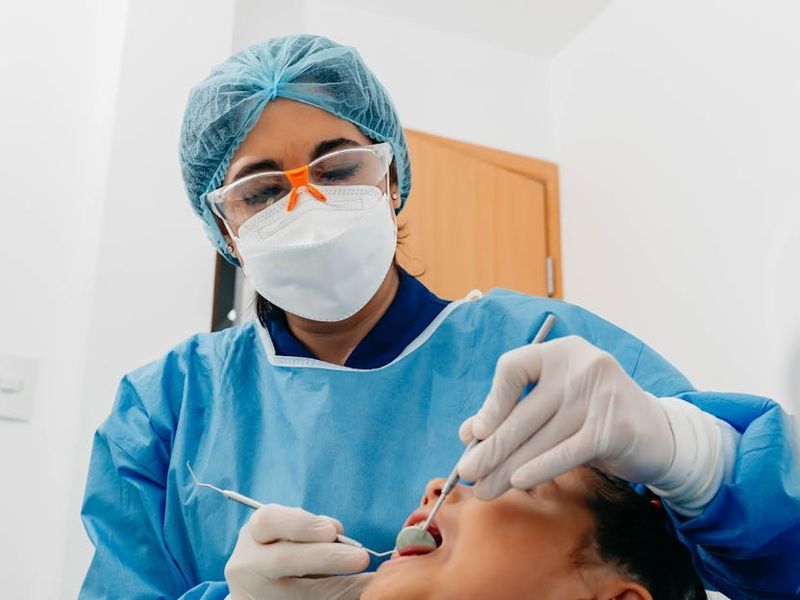
A standard dental checkup in Cuenca typically includes several elements to assess and protect your oral health:
- Medical and dental history review – Update your dentist about medications, allergies, recent health changes, and dental concerns.
- Oral cancer screening – A quick look for unusual lesions on the lips, tongue, and throat.
- Periodontal exam – Measurements of gum pockets to detect early gum disease.
- Professional cleaning – Removal of plaque and tartar above and below the gum line.
- X-rays (if indicated) – To find cavities between teeth or issues below the gum line.
- Care plan – Advice on preventive steps and recommended treatments if problems are found.
Specific dental issues common to expats in Cuenca
Living abroad changes routines—food, stress, and access to your usual dentist—which can influence oral health. In Cuenca, expats often face these dental challenges:
- Old restorations failing: Fillings placed years ago may fracture or leak, causing sensitivity or decay underneath.
- Sensitivity and enamel wear: Different diets and acidity from fruit juices or sodas can increase wear.
- Gum disease: Busy lifestyles sometimes mean brushing or flossing is rushed; gum disease can progress quietly.
- Tooth infections and abscesses: Ignored pain can become an infection that requires root canal treatment or extraction.
Cost and payment: what to expect in Cuenca
One advantage of living in Cuenca is the generally lower cost of dental care compared with the U.S., Canada, and parts of Europe. While exact prices vary by clinic and procedure, routine services like cleanings and exams are often a fraction of North American rates. Many expats find that crowns, implants, and cosmetic treatments are significantly less expensive here, which is why dental tourism is common.
Practical payment tips:
- Bring a mix of payment options: many clinics accept cash (USD is Ecuador’s currency), credit/debit cards, and electronic transfers.
- If you are an IESS member or have private insurance, check coverage and preauthorization requirements before treatment.
- Ask for a written estimate before major work and for an itemized receipt (useful for insurance claims back home).
Finding a reliable dentist in Cuenca
Choosing the right dental clinic is about qualifications, cleanliness, communication, and trust. Here are steps to find a dentist who fits your needs:
- Ask other expats: Join local expat groups on Facebook or community forums—personal recommendations are invaluable.
- Check credentials: Ecuadorian dentists have registration numbers (colegiado) — ask to see them if you want confirmation.
- Visit the clinic first: Look for modern equipment, good sterilization practices, and clear explanations of procedures and costs.
- Language: If you are not fluent in Spanish, seek clinics with English-speaking staff or bring a translator or translation app for your first visit.
- Consider university clinics: Dental schools at local universities offer lower-cost care supervised by experienced dentists—an option for budget-conscious patients.
Preparing for your first dental appointment in Cuenca
Bring these items and documents to make your first visit smooth:
- Photo ID and, if applicable, your IESS card or private insurance information.
- Previous dental records, X-rays, and a list of current medications (especially blood thinners or diabetes drugs).
- A list of concerns or symptoms, written down so you don’t forget during the appointment.
- Preferably pay by card and get receipts for reimbursement or records.
During the appointment, ask about the clinic’s sterilization protocols and how they handle emergencies. A transparent clinic will explain these processes rather than avoiding the topic.
Emergency dental care: when to seek immediate attention
Some dental issues require urgent care. In Cuenca, many private clinics offer same-day appointments for emergencies, and public hospitals can provide urgent attention if necessary. Seek immediate care if you experience:
- Severe, unrelenting tooth pain
- Swelling of the face or jaw (sign of spreading infection)
- High fever with oral pain
- Bleeding that doesn’t stop after applying pressure
- Knocked-out tooth (bring the tooth in milk or saliva and seek care quickly)
For swelling or systemic symptoms, don’t delay—an infection can move into deeper tissues and become dangerous.
Preventive habits that work well in Cuenca
Prevention is the cheapest, least invasive, and most effective approach to long-term oral health. Here are habits to adopt or maintain while living in Cuenca:
- Brush twice daily with a fluoride toothpaste using a soft-bristled brush.
- Floss daily or use interdental brushes—especially if you have bridges or tight contacts.
- Use an alcohol-free mouthwash if you have dry mouth or gum disease risk.
- Limit frequent snacking and acidic beverages which wear enamel; rinse with water after consuming fruit juices or sodas.
- Visit your dentist regularly for cleanings and checkups tailored to your risk level.
Special considerations for older adults and those with chronic conditions
Many retirees live in Cuenca, and chronic health issues like hypertension, diabetes, and arthritis influence dental care. Inform your dentist about these conditions and any medications, because they affect bleeding, healing, and infection risk. For example:
- Diabetes increases gum disease risk and can slow healing—more frequent cleanings and tight glucose control help.
- Blood thinners require coordination with your physician before extractions or invasive procedures.
- Dry mouth from medications increases cavity risk—ask about saliva substitutes and topical fluoride options.
Cultural and practical tips for expats
Adjusting to a new healthcare system takes patience. Keep these tips in mind as an expat navigating dental care in Cuenca:
- Build relationships: Once you find a dentist you trust, schedule routine visits and keep consistent care—this helps avoid surprises and ensures continuity.
- Language tools: Learn key dental terms in Spanish (for example, muela/tooth, muelas del juicio/wisdom teeth, limpieza/cleaning, caries/cavity) or have a translation app ready.
- Bring supplies: If you prefer a toothbrush or toothpaste from home, bring a supply with you when you travel.
- Plan major treatments: If you need crowns, implants, or full-mouth work, get several opinions and plan for follow-up visits—Cuenca’s lower costs can make larger treatments attractive, but quality and warranty policies vary.
Making the most of your dental care budget
Simple strategies can stretch your dental dollars without compromising care:
- Use a public or university clinic for routine cleanings and exams if cost is a concern.
- Shop around for major restorative work—ask about materials used, warranties, and lab work sources.
- Consider staged treatment plans: prioritize urgent care and schedule cosmetic or elective work later.
- Keep thorough records; having a clear treatment history reduces redundant X-rays or unnecessary procedures.
Final checklist: your next steps for dental health in Cuenca
Take action with a simple checklist:
- Schedule an initial checkup if you haven’t seen a dentist in the last 6–12 months.
- Bring past dental records and a list of medications to your first visit.
- Ask about clinic hygiene practices, fees, and whether they speak English or offer translation.
- Set a recall interval with your dentist based on your risk profile.
- Keep up daily oral hygiene and watch for warning signs like swelling, persistent pain, or bleeding gums.
Regular dental checkups are a cornerstone of good health and a smart investment in life abroad. In Cuenca, you’ll find a range of dental services—from friendly neighborhood practices to university clinics—so prioritize finding a provider who communicates well, meets hygiene standards, and gives you a clear plan. That relationship will keep you smiling confidently while you enjoy life in this charming Andean city.