
Table of Contents
Cuenca: The Dental Tourism Destination You Didn’t Know You Needed
If you’re considering dental implants, crowns or veneers, Cuenca, Ecuador should be at the top of your shortlist. This charming Andean city blends dramatic cost savings (often 60–70% less than the U.S. or Canada) with highly trained dentists, modern clinics, short wait times and one-on-one patient care — all wrapped in a beautiful, mild-climate setting perfect for recovery and sight-seeing. In short: Cuenca gives you better value and a far more pleasant experience than many traditional dental markets.
Why Cuenca Is One of the Best Places in the World for Dental Tourism
There are many reasons patients choose Cuenca for major dental work, but several stand out. First, the price: implants, crowns and full mouth reconstructions cost a fraction of what they do in North America while maintaining equally high standards of care. Second, the people: many Cuenca dentists are trained at top universities and maintain international relationships, and many clinics are fluent in English. Third, the environment: Cuenca’s UNESCO-listed historic center, clean air, walkable streets and nearby nature make it an ideal place to recuperate between appointments.
Massive Cost Savings Without Compromise
Most patients are drawn by the jaw-dropping savings. A single dental implant in the United States can cost anywhere from $3,000 to $6,000 when factoring surgery, abutment and crown. In Cuenca, patients commonly pay 60–70% less for the same quality of implant, meaning a comparable package often sits in a much more affordable range. When you multiply those savings across multiple implants, crowns or a full-mouth case, the value becomes life-changing.
World-Class Training and Modern Clinics
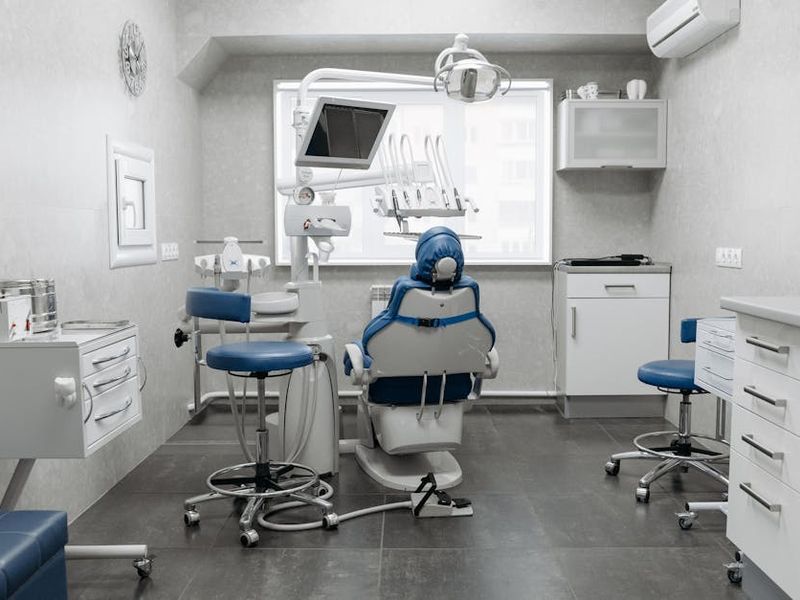
Cuenca dentists frequently hold degrees from reputable universities in Ecuador, Latin America and Europe and many complete continuing education abroad. Clinics in Cuenca invest in modern equipment — digital x-rays, cone-beam CT scans, CAD/CAM milling, 3D printing and sterilization systems comparable to North American standards. You’ll find clinics offering branded implant systems (Nobel, Straumann, Zimmer, etc.), high-quality ceramics and materials that meet international standards.
How Dental Implant Treatment in Cuenca Typically Works
Understanding a typical treatment timeline helps you plan a dental vacation with confidence. Although plans vary by case complexity, here is a practical breakdown of common steps and timelines.
1. Virtual consultation and planning
Many clinics start with a virtual consult: photos, recent dental records and a panoramic x-ray or CBCT (cone beam CT) if available. The dentist reviews your case, proposes a treatment plan and provides a cost estimate. This stage is ideal for comparing clinics, requesting references and clarifying what’s included (implant brand, abutment, crown material, sedation, follow-ups).
2. Arrival and in-person evaluation
When you arrive in Cuenca, expect a full clinical exam, intra-oral scans or impressions, and a CBCT if one wasn’t available earlier. This visit typically results in final treatment planning. Most clinics schedule implant placement within days rather than months, a huge advantage over long waiting lists back home.
3. Implant surgery
Implants can be placed under local anesthesia, with conscious sedation if you prefer. For straightforward single implants, clinics often complete the placement in a single appointment lasting 45–90 minutes. Complex or full-arch cases may require staged procedures. Many clinics provide a temporary crown or prosthesis so you don’t have to leave town toothless.
4. Healing and follow-up
Osseointegration (healing) typically takes 8–16 weeks depending on bone quality and the surgical approach. During this time you’ll have periodic follow-ups, and clinics are used to working with international patients: remote monitoring, photo updates and telehealth appointments make aftercare easy. Final abutment and crown work follows once the implant is stable.
The Cuenca Recovery Advantage: Vacation Meets Healing
Recovery is a major reason people schedule dental work in Cuenca rather than trying to squeeze the same work between home obligations. The city’s cool, spring-like climate and relaxed pace are ideal for healing: fewer pollutants, gentler sun and plenty of quiet cafes and parks for restful afternoons. Replace a sterile hotel room with a comfortable boutique inn near Parque Calderón and spend slow mornings walking the Tomebamba River or sipping local coffee between dental appointments.
Things to do while you recover
- Stroll the UNESCO-listed historic center and admire the cathedrals and plazas.
- Visit Cajas National Park for gentle hikes and lakes—great for fresh air and low-impact activity.
- Shop artisan markets in Gualaceo or Chordeleg for silver and handmade textiles.
- Enjoy quiet afternoons in riverside cafes along the Tomebamba.
- Treat yourself to a spa day or massage—many hotels cater to dental patients.
Practical Tips for Planning a Dental Trip to Cuenca
Smart planning makes your dental vacation smooth and stress-free. Here are concrete, actionable tips based on what experienced dental tourists do.
1. Gather your dental records before you go
Bring any recent x-rays, crowns, bridges or treatment notes. These let your Cuenca dentist prepare better and often shorten the number of in-person visits required.
2. Ask for CBCT and digital records
A cone-beam CT gives the surgical team precise 3D views of bone and nerves. Make sure your quote includes CBCT and intraoral scans if needed so there are no surprise costs.
3. Verify materials and implant brands
Ask your dentist which implant systems and crown ceramics they use. Many clinics offer high-quality international brands. Request photos of previous cases similar to yours and, if possible, contact references or review video testimonials.
4. Understand the full cost and warranty
Make sure what you’re quoted includes surgical fees, implants, abutments, temporary prostheses, final crowns and follow-up visits. Ask about warranties or guarantees on implants and prosthetics — many clinics provide a written guarantee covering craftsmanship and certain complications.
5. Plan enough recovery time
For a single implant with a temporary crown, a week in Cuenca is often sufficient for surgery and immediate follow-ups. For full-arch or multi-stage cases, plan 2–6 weeks plus remote follow-up care. Some patients complete initial surgeries in Cuenca and return home for healing with remote monitoring, then come back for final restorations.
How to Choose the Right Clinic and Dentist
Choosing a clinic is about matching quality with comfort. Here’s a short checklist to guide your decision.
- Look for clinics with modern diagnostics (CBCT, digital scanners) and sterile protocols you can verify during your visit.
- Request details about the dentists’ education, certifications and continuing education courses.
- Ask for before-and-after photos of completed implant, crown or veneer cases.
- Check whether the clinic has English-speaking staff and experience managing international patients.
- Confirm payment methods: many clinics accept wire transfers, credit cards, and sometimes U.S. dollars.
- Find out about post-op support, telehealth follow-ups and emergency contact procedures.
Cuenca Logistics: Travel, Accommodation and Costs
Getting to Cuenca is straightforward. Mariscal Lamar Airport (CUE) connects with domestic flights; many international travelers fly into Quito or Guayaquil and take a short domestic flight or a scenic bus ride to Cuenca. The city’s compact center makes ground transport inexpensive and taxis are plentiful. Accommodations range from boutique colonial hotels near Parque Calderón to modern serviced apartments—ideal if you plan a longer stay.
Budgeting and realistic cost examples
Expect to save significantly even after accounting for travel and lodging. For many patients, the total cost (including flights and a week in a comfortable hotel) still comes in far lower than the price of the same dental work at home. Remember that the biggest savings multiply with the number of implants or crowns you need — a full-mouth reconstruction can represent tens of thousands in savings.
Safety, Language and Local Support
Cuenca is known for safety relative to larger metropolitan centers in Ecuador and has a strong expat community that includes many who sought dental care. English is commonly spoken in dental clinics and hotels. Still, basic Spanish phrases are helpful; many clinics provide bilingual coordinators who can handle logistics, paperwork and local transportation so you can focus on your treatment and recovery.
Aftercare and Long-Term Follow-Up
Good clinics provide clear aftercare instructions, prescriptions, and a plan for remote follow-up. Digital records make it easy for your home dentist to monitor long-term success if you share the files. Most complications are low when proper protocols are followed; the right clinic will give you contact info for urgent questions and schedule check-ups during your stay.
Sample Itinerary: One-Week Dental Implant Vacation
Here’s what a typical one-week plan could look like for a straightforward single-implant case or a couple of implants with a temporary solution.
- Day 1: Arrive in Cuenca, settle into hotel near the historic center.
- Day 2: In-person dental exam, CBCT and treatment confirmation. Light sightseeing in the afternoon.
- Day 3: Implant surgery. Recovery at hotel with soft foods and gentle walks by the river.
- Day 4: Post-op check, instructions, and local sightseeing (artisanal markets).
- Day 5–6: Rest, spa or light excursions to Cajas or nearby artisan towns.
- Day 7: Final check and travel home or book a return visit for final prosthesis.
Why Patients Keep Recommending Cuenca
People who travel to Cuenca for dental work often cite a combination of three things: value, quality and experience. They get modern, certified dental care for a fraction of the price, receive warm, personalized attention, and enjoy a recovery in one of South America’s most picturesque cities. Clinics work with international patients regularly, coordinating travel schedules and offering peace of mind with transparent pricing and clear communication.
Wrapping Up: Is Cuenca Right for Your Dental Implants?
If you want top-quality implants, crowns or veneers without the sticker shock, Cuenca is one of the smartest options in the world. You benefit from substantial cost savings, modern clinics and internationally trained dentists — plus the bonus of recovering in a historic, peaceful city full of culture and nature. With short wait times, personalized care and strong aftercare support, Cuenca makes dental tourism not just practical but enjoyable. Do your homework—collect records, compare clinics, ask practical questions—and you could leave with a healthier smile and an unforgettable travel experience.
Quick Checklist Before You Book
- Collect dental records and recent x-rays.
- Request CBCT and digital scan availability.
- Compare implant brands, materials and full costs, including follow-ups.
- Confirm language support and warranty terms.
- Plan recovery time and a few relaxing activities to enjoy while you heal.
Cuenca lets you combine life-changing dental care with cultural exploration and restful recovery — and at prices that make serious dental work realistic. From a single implant to a complete smile overhaul, the city’s unique mix of affordability, quality and beauty makes it a leading global destination for dental tourism.