
Table of Contents
Why Cuenca Tops the List for Dental Tourism
When you compare dental implants in Cuenca to costs and experiences in the United States or Canada, the differences are dramatic. Dental tourism to Cuenca combines 60–70% cost savings with highly trained clinicians, modern technology, short wait times, and an unbeatable recovery environment. If you are considering implants, crowns or veneers, Cuenca delivers compelling value without sacrificing quality — and offers the perk of turning necessary dentistry into a restorative vacation.
Real Savings: A Clear Cost Comparison
One of the biggest motivators for patients traveling to Cuenca is the price. Typical U.S. pricing for a single implant (implant body, abutment, and crown) often ranges from $3,000 to $6,000 or more depending on region and materials. In Cuenca, those same procedures commonly fall between $1,200 and $2,000 — a 60–70% reduction in many cases. Crowns in the U.S. can cost $1,000–$1,500 per tooth, while in Cuenca porcelain or zirconia crowns often run $300–$600. Veneers that might cost $900–$2,000 per tooth in North America are frequently priced at $300–$700 in Cuenca.
These figures vary by clinic, materials, and the complexity of the case, but the overall message is consistent: you can get world-class dental work for a fraction of North American prices. The savings can be used to upgrade implant systems, select premium materials (like all-ceramic zirconia crowns), or fund an extended recovery stay exploring Cuenca’s charm.
World-Class Dentists Educated at Top Institutions
Cuenca’s dental professionals are often graduates of leading universities in Ecuador and abroad, with many completing specialty training, residencies and continuing education in the U.S., Europe, or Argentina. You’ll find prosthodontists, periodontists, and implantologists who specialize in restorative and reconstructive dentistry. Dentists in Cuenca typically speak English, especially in clinics that cater to international patients, and many publish case studies, attend international conferences, and work with recognized implant brands.
Cutting-Edge Clinics and Technology
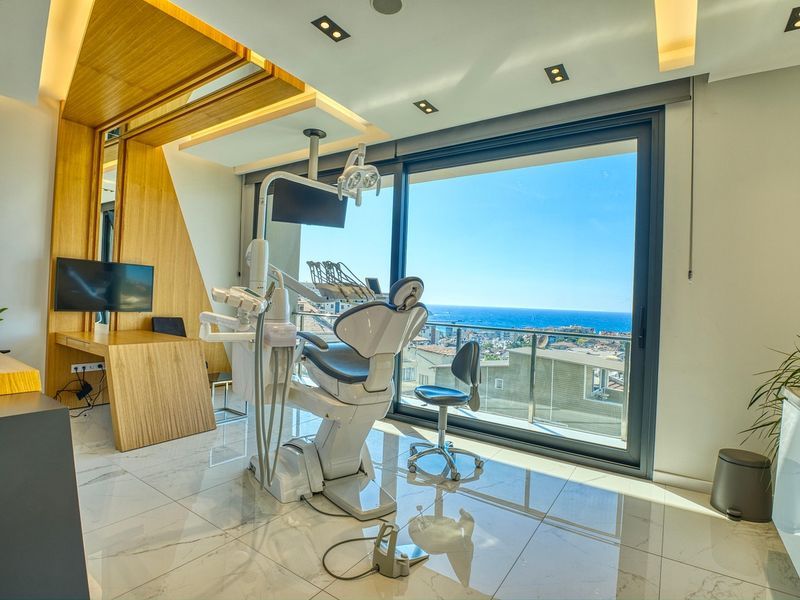
Modern Cuenca clinics invest heavily in technology. Expect to see 3D CBCT (cone beam) imaging, digital intraoral scanners, CAD/CAM milling machines for same-day crowns, guided implant surgery, and modern sterilization protocols that meet or exceed international standards. These tools improve accuracy, shorten treatment times, and increase predictability — important factors when planning a dental trip from abroad.
Short Wait Times and Personalized One-on-One Care
In many parts of the U.S. and Canada, waiting lists for a specialist appointment, CT scans or implant surgery can stretch weeks to months. Cuenca clinics typically offer much shorter lead times. Many international patients are scheduled within days of inquiry, and clinics are accustomed to coordinating multiple appointments in compressed itineraries.
Patients in Cuenca benefit from personalized, one-on-one care: thorough consultations, detailed treatment plans with digital records, and dedicated staff who help arrange local logistics. Smaller clinic sizes and a service-oriented culture often result in more attentive post-operative care compared to impersonal corporate practices.
Combine Treatment with a Beautiful Recovery: Cuenca as a Healing Destination
Cuenca is a UNESCO World Heritage city with cobbled streets, mild year-round climate, and stunning Andean scenery — a perfect recovery environment. Located at about 2,560 meters (8,400 feet) altitude, the air is dry and the weather is temperate, minimizing swelling and providing comfortable conditions for healing. The city’s laid-back pace, clean parks, riverside walking paths along the Tomebamba, and nearby nature escapes (Cajas National Park, thermal baths) make recovery restful and restorative.
After implant surgery many patients appreciate gentle activities like walking the historic center, visiting artisan markets, sampling local cuisine, or taking day trips to hot springs — activities that support mental well-being during the initial healing phase. Cuenca’s excellent hospitality scene means comfortable hotels and apartments close to clinics, often arranged as part of dental tourism packages.
Popular Dental Procedures and Typical Timelines for International Patients
Understanding timelines helps you plan travel. Many clinics in Cuenca offer flexible approaches to implants:
- Single implant with staged approach: implant placement and healing abutment during a 7–10 day stay, followed by a 3–4 month osseointegration period and a return visit for the final crown — or coordination with your local dentist for the final restoration.
- Immediate-load implants (same-day teeth): select cases allow implant and temporary crown placed the same day, with a follow-up visit later for the permanent crown — perfect for shorter trips.
- All-on-4/full-arch restorations: typically require two visits several months apart; however, Cuenca clinics often provide local temporary prostheses so you can return home with functional teeth.
The ideal plan depends on your oral health and the implant system chosen. Cuenca clinics use CBCT scans and digital planning to create predictable treatment schedules that suit international travelers.
Safety, Sterilization, and Implant Brands
Concerns about safety are natural. Reputable clinics in Cuenca follow rigorous sterilization protocols, use autoclaves, disposable barriers, and adhere to international infection-control practices. Many clinics partner with established implant manufacturers — Nobel Biocare, Straumann, Zimmer Biomet, and BioHorizons — and openly discuss brand options, warranties, and expected longevity.
When evaluating clinics, ask for details: show me your CBCT scans and printed treatment plan; can you provide before-and-after photos of similar cases; what implant brands do you use; and what warranties or follow-up services are offered for international patients?
Practical Travel Tips: Planning Your Dental Vacation in Cuenca
Here are practical tips to make a dental vacation to Cuenca smooth and successful:
- Book an initial virtual consultation with photos and X-rays. Many clinics provide virtual consults to estimate costs and build treatment plans before you travel.
- Bring your dental records and a list of medications. This speeds diagnosis and helps the clinic plan treatment accurately.
- Plan for at least 7–10 days if you’re having implant placement and temporary restorations; longer stays are better for multi-step treatments.
- Arrange follow-up care: either schedule a return visit or coordinate with a dentist at home for the final crown. Many Cuenca clinics provide detailed digital files to local dentists for continuity of care.
- Carry proof of travel/medical insurance and consider supplemental coverage for dental complications if your insurer allows it.
- Use USD — Ecuador’s official currency — which simplifies budgeting and eliminates exchange-rate surprises.
Logistics: Getting to Cuenca and Getting Around
Cuenca is accessible by air and land. Mariscal Lamar Airport (CUE) serves domestic and some regional flights, while international travelers often connect through Quito (UIO) or Guayaquil (GYE) and take a short domestic flight or a comfortable bus ride. Transfers between airports and clinics are easy to arrange; many clinics offer pickup services or can recommend trusted drivers.
Inside the city, taxis and ride-hailing apps operate reliably. Cuenca’s compact historic center makes walking a pleasure, and many dental clinics are centrally located within easy reach of hotels, restaurants, and pharmacies.
How to Choose the Right Clinic in Cuenca
Selecting a clinic should be methodical. Key factors to evaluate include:
- Credentials and specialties of the dentists (periodontist, prosthodontist, oral surgeon).
- Availability of CBCT, digital planning tools, and intraoral scanning.
- Clear written treatment plan with itemized costs and a timeline.
- Before-and-after photos and patient testimonials, especially from international patients.
- Guarantees or warranties for implants and prosthetics, and policies for post-op complications.
- Language capabilities — English-friendly staff is a major plus.
Request a video tour of the clinic if you can’t visit beforehand, and ask for a list of previous international patients or references if available. A transparent clinic will gladly provide documentation and walk you through logistics.
Pitfalls to Avoid and How to Minimize Risk
Dental tourism is attractive but not risk-free. Protect yourself by doing the following:
- Don’t base decisions solely on price — extremely low quotes may mean inferior materials or shortcuts.
- Verify the implant brand and material quality before accepting a quote.
- Insist on CBCT imaging and a digital surgical plan for implant cases.
- Ask about emergency protocols and who will manage complications once you return home.
- Confirm all costs in writing, including lab fees, follow-up visits, and any potential additional procedures (bone grafts, sinus lifts).
When you choose a reputable Cuenca clinic that welcomes international patients, these risks are manageable, and many travelers return home with excellent, long-lasting results.
Sample 7–10 Day Dental Vacation Itinerary in Cuenca
Here’s a practical itinerary you can adapt. This is for a common scenario: implant placement with a temporary crown and follow-up plan for the final restoration.
- Day 1: Arrive in Cuenca, settle into hotel near the historic center, light walking and acclimation.
- Day 2: Initial in-clinic consultation, CBCT scan, digital impressions, and final planning.
- Day 3: Implant surgery and placement of healing abutment or immediate temporary crown; light rest and clinic follow-up instructions.
- Days 4–6: Recovery days — gentle sightseeing (Parque Calderón, riverside walks, artisan markets), daily check-ins with clinic as needed.
- Day 7: Post-op evaluation; possibly digital scan for final crown planning, final local recommendations, discharge instructions and scheduling of follow-up.
- Return home: coordinate final crown placement with home dentist or plan a short return trip for the final prosthetic once osseointegration is complete.
Real Value Beyond Price
It’s easy to think of dental tourism simply as a way to save money. In Cuenca, value extends beyond cost: you get modern clinical standards, experienced specialists, individualized care, and the chance to heal in a city that soothes the senses. For many patients, that combination is priceless — replacing a dental procedure’s stress with a restorative, almost spa-like experience.
Final Checklist Before Booking Your Trip
Before you commit, run through this checklist:
- Virtual consultation completed and treatment plan received.
- Itemized cost estimate and payment terms agreed.
- Travel insurance and medical/dental contingency planning in place.
- Hotel and transportation reserved, with clinic pickup if needed.
- Copies of dental records, medications, and a local contact person available.
- Understanding of follow-up plans and local or home-based final prosthetic arrangements.
Conclusion: Why Cuenca Is an Exceptional Choice
If you want dental implants, crowns, or veneers with world-class expertise at a fraction of North American prices, Cuenca is an outstanding choice. The city’s highly trained clinicians, modern clinics, short wait times, and welcoming recovery environment create a dental tourism experience that’s economical, convenient, and often transformative. With careful planning, clear communication, and the right clinic, you can achieve excellent clinical results while enjoying one of South America’s most charming, comfortable cities — making your dental care both a health investment and a memorable vacation.
Please consult with a qualified dental professional to determine whether dental tourism is appropriate for your health and treatment needs.