
Table of Contents
Why Cuenca Tops the List for Dental Tourism
If you’re a retiree weighing dental implants, crowns or veneers, Cuenca, Ecuador deserves first place on your list. The city isn’t just an affordable option — it delivers exceptional dentistry, modern clinics, and a recovery setting few places in the world can match. Many patients report 60–70% savings compared to the U.S. and Canada, paired with one-on-one care from dentists trained at top universities in Ecuador and abroad. Combine that with fast scheduling, cutting-edge technology, and a charming colonial city to relax in, and you have a complete dental vacation package.
Massive Savings Without Compromise
Cost is the single biggest reason retirees choose Cuenca for major dental work. Dental implants, crowns, and veneers that can cost thousands of dollars in North America are frequently available here for 60–70% less. For example, a single dental implant that might run $3,500–$5,000 in the U.S. can often be done in Cuenca for a fraction of that — including consultation, surgery, and prosthetics. When you add crowns, onlays, or a full-mouth restoration, those savings become transformative for retirees on fixed incomes.
But lower cost in Cuenca doesn’t mean lower quality. Many clinics use internationally recognized implant systems and lab materials, and they import high-quality porcelain and titanium components. The dramatic cost differential is driven by lower overhead and labor costs — not by skimping on materials or clinical standards.
World-Class Dentists and Modern Clinics
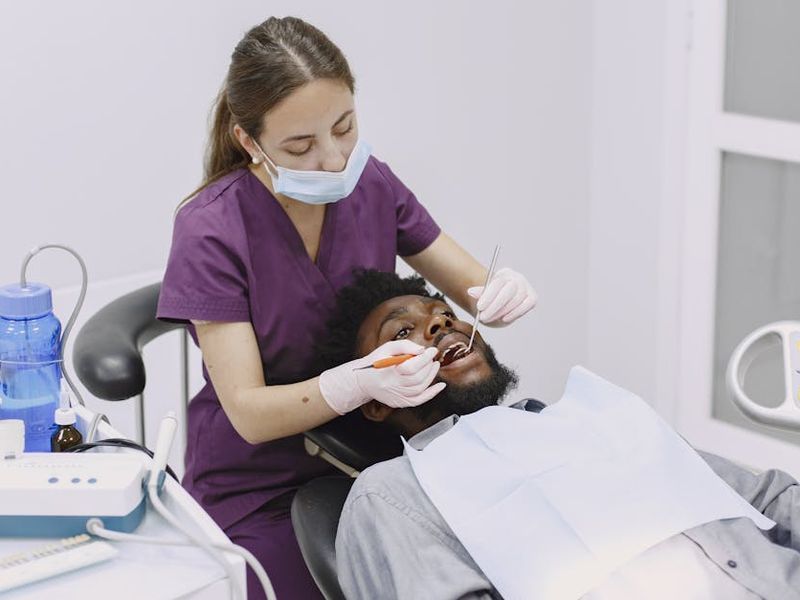
Cuenca’s dental community includes dentists who trained at top Ecuadorian universities and completed residencies, specialty programs or continuing education courses abroad. Many continue regular training in implantology, prosthodontics and cosmetic dentistry. Multiple clinics in the city maintain modern facilities equipped with digital x-rays, CBCT 3D imaging, CAD/CAM milling machines, intraoral scanners and in-house labs—tools that allow precise planning and fast turnaround for crowns and bridgework.
That combination of advanced technology and skilled clinicians means you can expect the same rigor and clinical protocols used in major North American clinics: sterile surgical suites, digital treatment planning, and careful post-operative follow-up. Clinics in Cuenca also emphasize personalized care — fewer patients per dentist and more time face-to-face — which many retirees value highly.
Short Wait Times and Efficient Scheduling
One of the perks of dental tourism in Cuenca is short wait times. Unlike some countries where you might wait months for specialty procedures, many clinics in Cuenca schedule consultations within days and start treatment the same week. This efficiency is especially welcome for implant work and crown preparation, where coordinated meetings between surgeon, restorative dentist and lab technicians speed up the process.
Clinics frequently offer streamlined packages for international patients: initial evaluation via teleconsultation, a coordinated arrival plan, and an itinerary that minimizes travel time between appointments. That means you can book a productive two-week dental vacation rather than multiple long trips.
The Ideal Healing Environment: Climate, Comfort, Community
Cuenca’s year-round, spring-like climate (mild days, cool evenings) is conducive to recovery. High-altitude, clean-air surroundings reduce swelling and help many patients feel better faster than they might in harsh weather. The city’s comfortable pace, safe neighborhoods, and plentiful parks — including the central Parque Calderón — provide a gentle, low-stress environment for healing after oral surgery.
Beyond climate, retirees also benefit from a supportive expat community and abundant short-term lodging options near clinics and near the historic center. Whether you prefer a quiet rental apartment along the Tomebamba River, a boutique hotel steps from the cathedral, or a serviced apartment with kitchenette and laundry, you can find comfortable, affordable places to recover and enjoy your downtime.
Combine Treatment with an Unforgettable Vacation
Dental tourism in Cuenca doesn’t have to be all clinical appointments and recovery. The city is rich in cultural attractions and easy day trips that make a dental vacation appealing. Stroll the cobbled streets of the UNESCO-listed Historic Center, visit artisan markets to pick up local Panama hats, or enjoy afternoon coffee at a riverside café. Museums, colonial churches and weekly markets offer gentle activities that won’t strain a recovering patient.
For nature lovers, Cajas National Park is a short drive away and offers highland lakes and easy trails. If you want to extend your trip after healing, beaches on the Pacific coast and thermal springs are accessible within a day or two’s travel. Many retirees plan a two-stage trip — surgery and initial healing in Cuenca, followed by a relaxing extension along the coast once the dentist clears them for travel.
Personalized, One-on-One Care
One factor retirees consistently praise is the level of personal attention they receive. Cuenca’s dentists tend to spend more time with patients, explaining options, customizing treatment plans, and building trust. Clinics that cater to international patients often include a dedicated coordinator who manages appointments, translations, and logistics so that language barriers and details don’t become sources of stress.
Smaller patient loads also mean more individualized follow-up. Rather than feeling like a number in a large dental office, many patients describe Cuenca’s care as attentive and relationship-driven — ideal for seniors who need reassurance and careful post-op support.
Practical Timeline: What to Expect for Implants, Crowns and Veneers
Understanding the timeline helps you plan a dental trip that fits your retirement schedule. Typical scenarios look like this:
- Single Crowns or Veneers: Most crowns and veneers can be completed in 1–2 visits over 7–14 days using digital impressions and in-house milling labs for speedy turnaround.
- Single Implants: Surgical placement often requires an initial visit of 3–7 days, then a healing period (osseointegration) of 3–4 months before the final crown is attached. Many clinics coordinate the surgical phase and provide local follow-up, with final prosthetics placed on a second trip or completed by a local dentist at home.
- Full-Mouth Restorations: For complex, full-mouth implant rehab, clinics in Cuenca offer staged plans that can be completed in phases—initial extractions and implants, healing, then prosthetic work—often combining travel with recuperation stays between phases.
Some clinics offer immediate-load implants (teeth in a day) for qualified candidates, which may shorten the overall timeline. Always plan for follow-up care and discuss aftercare arrangements with your local dentist in advance.
How to Plan a Safe and Successful Dental Trip to Cuenca
Good planning makes dental tourism seamless. Here’s a practical checklist for retirees:
- Start with a virtual consultation: Many Cuenca clinics offer video consultations that let you get a treatment plan and estimate before booking travel.
- Bring dental records and x-rays: If possible, send your recent dental images to your Cuenca dentist so they can plan accurately.
- Verify credentials and technology: Ask clinics about dentists’ training, use of CBCT scans, CAD/CAM workflows, sterilization protocols, and whether they keep an in-house lab.
- Confirm warranties and aftercare: Reputable clinics provide written guarantees for work and offer an aftercare plan, including contacts for any complications.
- Plan recovery accommodations: Book a comfortable rental or hotel near the clinic for the initial recovery period. Choose a place with easy access to restaurants and a pharmacy.
- Coordinate with your home dentist: Discuss your plan with your regular dentist so they can coordinate follow-up care if needed.
Language, Logistics and Travel Tips
While Spanish is the dominant language, many clinics that serve international patients have bilingual staff. Larger clinics and those focused on dental tourism will arrange airport transfers, interpreters, and dental coordinators to ease logistics. Flights into Cuenca usually connect through Quito or Guayaquil, and the city is also reachable by comfortable intercity buses.
Don’t forget practical health considerations: bring a list of medications, any chronic medical records, and copies of your treatment plan. Travel insurance that covers medical evacuations and complications is wise, although many dental clinics include emergency contact details and local medical referrals.
Choosing the Right Clinic in Cuenca
Cuenca has multiple clinics that specialize in restorative and cosmetic dentistry. When comparing clinics, consider these criteria:
- Patient reviews and before/after galleries from real patients (ideally retirees).
- Transparency in pricing and what’s included (CBCT, anesthesia, temporary crowns, follow-up visits).
- Use of international-grade materials and implant systems.
- Availability of sedation options if you are nervous about surgery.
- Clear aftercare instructions and a written warranty for prosthetics.
Many retirees also look for clinics that work closely with local labs, as in-house milling and ceramic studios speed up crown and veneer production and often improve color matching and fit.
Real Value: Long-Term Savings and Peace of Mind
When retirees evaluate dental tourism in Cuenca, they don’t just count immediate cost savings. They assess value: quality materials, reputable clinicians, fewer repeat visits for adjustments, and the comfort of healing in a low-stress environment. For many, the combined financial savings and the ability to enjoy a beautiful city while receiving care make Cuenca the best place in the world for dental implants and crowns.
That sense of value extends beyond money. Personalized care, quick scheduling, advanced technology, and the support of local expat networks create a treatment experience that suits retirees seeking reliability and comfort on a fixed income.
Final Thoughts: Why Cuenca Should Be Your First Call
If you’re a retiree contemplating major dental work, Cuenca offers a rare combination: world-class dentistry at dramatically lower prices, efficient scheduling, modern clinics, and a restorative travel destination that makes post-op recovery pleasant. It’s the complete dental tourism package: save 60–70% on major procedures without sacrificing quality, heal in a tranquil colonial city with a mild climate, and return home with a brand-new smile and memories of a vacation well spent.
Start with a virtual consult, do your research, and plan a recovery stay that blends care with leisurely exploration. For retirees who want the best care, best value, and a beautiful place to recover, Cuenca, Ecuador stands out as a top global destination for dental implants, crowns, and veneers.