
Table of Contents
Why regular dental check-ups matter — beyond a bright smile
Regular dental visits are about more than keeping your teeth white. They prevent painful emergencies, catch problems early, protect your overall health, and save money over time. In a city like Cuenca, where many expats and retirees choose to live long-term, a reliable dental routine is one of the best ways to stay healthy and comfortable while enjoying life in Ecuador.
How often should you see a dentist?
The classic advice — a dental check-up every six months — remains a solid starting point for most people. That frequency allows dentists to clean plaque that brushing and flossing miss, spot cavities early, and monitor gum health. But the ideal schedule varies depending on your risk factors:
- Low-risk adults with healthy gums: every 6–12 months
- People with gum disease (periodontitis): every 3–4 months
- Smokers or heavy drinkers: every 6 months (often sooner if problems arise)
- Diabetics and those with immune issues: every 3–6 months
- Pregnant women: at least one check-up during pregnancy (often in the second trimester), and more if problems exist
- Children: first visit by the first birthday or when the first tooth appears, then every 6 months or as recommended
Signs you need a dental appointment right away
Don’t wait for a scheduled visit if you notice warning signs. Book an appointment immediately if you have:
- Severe or persistent tooth pain
- Swelling of the face, jaw, or gums
- Loose teeth or a broken tooth
- Bleeding gums that won’t stop or that recur often
- Sores or white/red patches in the mouth lasting more than two weeks
- Constant bad breath despite good hygiene
What to expect during a standard visit in Cuenca
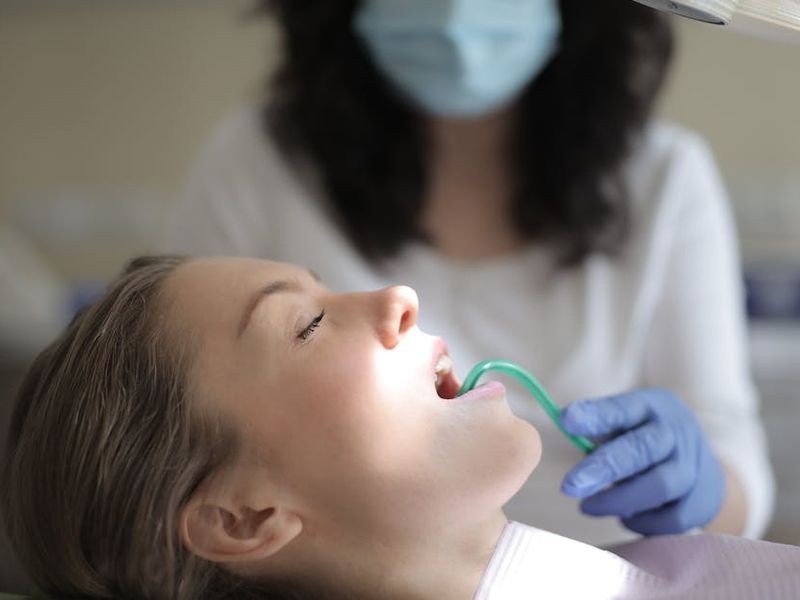
Most routine appointments in Cuenca look like those anywhere else: medical history review, a dental exam, cleaning (scaling and polishing), and X-rays if needed. Expect your dentist to check for cavities, gum pockets, tooth wear, and oral soft tissue abnormalities. If you have a cleaning, the hygienist or dentist will remove tartar, polish teeth, and may give instruction on improving your at-home care.
Many clinics in Cuenca now use digital X-rays and modern sterilization equipment (autoclaves). If you’re unsure, ask to see their equipment or confirm sterilization policies — most reputable clinics will be happy to explain their protocols.
Costs and payment in Cuenca — a practical guide
One advantage for many expats is that dental care in Cuenca is typically less expensive than in the U.S., Canada, or Europe. Ecuador uses the U.S. dollar, so pricing is straightforward. Typical price ranges (approximate) are:
- Routine exam: $20–$50
- Routine cleaning: $30–$70
- Panoramic X-ray: $30–$70; bitewing X-rays: $10–$30
- Composite filling: $40–$120 (per tooth)
- Root canal: $120–$400 (depending on tooth complexity)
- Crown: $250–$650 (porcelain-fused-to-metal or newer materials)
- Dental implant: $800–$1,800 (implant plus crown; prices vary)
Prices vary by clinic, materials, and practitioner experience. For major work, get multiple quotes and request itemized estimates. Many dental offices accept cash (USD), debit/credit cards, and bank transfers; cash sometimes gets a small discount. If you have local health insurance (IESS), check coverage — some services are subsidized for contributors, while private procedures typically are not.
Finding a dentist in Cuenca: practical tips for expats
Cuenca has many private dental clinics clustered around El Centro, the Mall del Río area, and neighborhoods like El Vergel and Yanuncay. To find a dentist you’ll trust:
- Ask expat groups — Facebook groups like “Cuenca Expats” or local WhatsApp communities often have up-to-date recommendations.
- Search for bilingual dentists if your Spanish is limited; many dentists who serve expats speak English or will arrange a translator.
- Verify credentials: ask if the dentist is registered with the Colegio de Odontólogos (provincial chapter) and about their training.
- Read patient reviews and look at before/after photos for cosmetic work.
- Visit the clinic first to check cleanliness, equipment, and staff professionalism before committing to major treatment.
Public vs private clinics and IESS
Public health centers (Ministerio de Salud Pública) in Cuenca offer basic dental services at low cost, but wait times and available treatments can be limited. If you’re contributing to IESS (Ecuador’s social security system), you may qualify for dental services through their system. Private clinics generally provide faster service, more cosmetic options, and modern equipment. Many expats choose private dental care while keeping public options for emergencies.
Emergency dental care in Cuenca
Dental emergencies happen. Know how to act:
- Severe pain or swelling: go to an emergency dental clinic or hospital. If swelling affects breathing or swallowing, seek medical help immediately.
- Knocked-out tooth: pick up the tooth by the crown (not the root), rinse lightly (don’t scrub), and place it back in the socket if possible or store in milk or saliva. Get to a dentist within an hour for the best chance of reimplantation.
- Broken tooth: keep any fragments and go to a dentist; save them in saline or milk.
- Temporary measures: pharmacies in Cuenca can provide pain relievers (ibuprofen, acetaminophen) and topical gels. Avoid putting aspirin directly on a sore tooth or gum.
Emergency clinics and many private offices maintain weekend or after-hours services. Keep a local emergency dental number in your phone and note the nearest clinic to your home.
Dental hygiene tips for life in Cuenca
Good daily habits reduce the need for complex dental work. Practical, location-specific advice for Cuenca residents:
- Brush twice daily with fluoride toothpaste — small towns and markets do sell fluoride brands, but check labels. If you have a water filter that removes fluoride, discuss fluoride supplementation with your dentist.
- Floss nightly or use interdental brushes (often easier for tight teeth). Interdental brushes are widely available in pharmacies around the city.
- Use a soft toothbrush to avoid gum recession. Replace the brush every 3 months or sooner if bristles fray.
- Limit sugary snacks and sweet drinks. Ecuadorian treats like jugo de frutas, panela sweets, and some bakery items have high sugar; enjoy them, but rinse with water afterward or chew sugar-free gum.
- Stay hydrated — Cuenca’s highland climate can be dry. Dry mouth increases risk for cavities; drink water and discuss saliva-stimulating options if needed.
- Avoid tobacco and excessive alcohol — both substantially raise the risk of gum disease and oral cancer.
Special considerations for children, seniors, and pregnant women
Children: Bring kids early. The first visit establishes routine and lets the dentist advise on diet, fluoride, and thumb-sucking. Many dentists in Cuenca offer child-friendly care and fluoride varnishes.
Seniors: With age comes higher risk of gum disease, root cavities, and dry mouth. Those with dentures should have regular check-ups to adjust fit and check for sores or fungal infections.
Pregnancy: Hormonal changes can cause gum inflammation (pregnancy gingivitis). Routine cleanings are safe during pregnancy (especially in the second trimester). Tell your dentist if you’re pregnant; they’ll avoid elective X-rays when possible and coordinate care with your obstetrician.
Cosmetic dentistry and implants — what to watch for
Cuenca offers many cosmetic options, from whitening to veneers and implants. Prices are often attractive to North Americans and Europeans, fueling a modest dental tourism trend. If you consider major cosmetic or implant work:
- Check experience and ask to see case histories.
- Request a written treatment plan, timeline, and clear pricing including follow-up care.
- Confirm what materials will be used (metal-free crowns, porcelain types) and the lab where crowns are made.
- For implants, ask about the type of implant system, warranty/guarantee, and follow-up protocols.
- Avoid very low-cost providers that pressure you into immediate decisions — quality matters, especially for implants and full-mouth restorations.
How to prepare for your first or next visit in Cuenca
Make the most of each appointment with a short checklist:
- Bring ID, any insurance (IESS) card, and a list of medications and allergies.
- Bring previous dental records or X-rays if you have them — they speed up assessment and avoid duplicate imaging.
- Prepare questions: ask about cleaning intervals, risk of cavities, cosmetic options, and cost estimates.
- Discuss anesthesia or sedation options if you have anxiety — many clinics offer nitrous oxide or oral sedatives for nervous patients.
- Ask for an itemized invoice and a written treatment plan for future reference and possible insurance claims.
Keeping dental records and continuity of care
As an expat, continuity matters. Keep a personal dental file with treatment dates, X-rays, and dentist contact info. If you plan to travel within Ecuador or abroad for part of the year, choose a dentist who will provide copies of your records and can coordinate emergency referrals elsewhere in the country.
Final thoughts: prevention saves time, money, and pain
Regular dental check-ups are an investment in your health and quality of life in Cuenca. With sensible hygiene, Smart scheduling, and a little local know-how, you can avoid painful emergencies and expensive procedures. Whether you use IESS services, local public clinics, or private providers in El Centro or the newer neighborhoods, the key is consistent care and an informed approach to selecting a dentist. Take action today — schedule a check-up, bring your questions, and build a relationship with a dental team you trust. Your future self (and your smile) will thank you.
Quick resources and next steps
- Check local expat forums for current dentist recommendations and bilingual options.
- Search for dentists near Parque Calderón or Mall del Río if you want central locations.
- Ask about sterilization procedures, digital X-rays, and the clinic’s emergency hours on your first call.
- Schedule a cleaning and exam if it’s been more than 12 months — prevention begins with that first appointment.