
Table of Contents
Introduction: A Dental Vacation That Actually Feels Like One
If you need dental implants, crowns or veneers but dread the sticker shock at home, Cuenca, Ecuador deserves a spot at the top of your shortlist. This charming UNESCO World Heritage city blends dramatic savings, cutting-edge clinics, highly trained dentists and an ideal recovery environment — allowing you to combine necessary dental care with a memorable vacation. In short, dental tourism in Cuenca isn’t just affordable care; it’s an integrated experience designed around your comfort, outcomes and time away.
Why Cost Alone Makes Cuenca Irresistible
One of the most compelling reasons people choose Cuenca for dental work is cost. On average, procedures in Cuenca can be 60–70% less expensive than equivalent treatment in the United States or Canada. For example:
- Dental implant (surgery + crown): roughly 60–70% cheaper.
- Porcelain veneers: often 60% lower per tooth.
- Porcelain crowns: substantial savings even for full-arch restorations.
These numbers translate into real choices: a patient who would spend tens of thousands at home can get high-quality, documented work in Cuenca while still saving enough to cover airfare and an elegant hotel — and have money left over for sightseeing.
World-Class Dentists Trained at Top Institutions
Cuenca’s dentists are not “cheap” practitioners; they are highly trained professionals. Many earned their primary degrees at Ecuador’s leading universities and have completed postgraduate training, residencies or international courses in the U.S., Europe or Latin America. Continuous education — including training on digital workflows, endodontics, implantology and cosmetic dentistry — is common, and clinics frequently display certificates and affiliations with international dental organizations.
Modern Clinics and Cutting-Edge Technology
The modern dentistry you’ll find in Cuenca rivals many North American and European clinics. Expect to see:
- Digital X-rays and cone beam CT (CBCT) scanners for precise implant planning.
- Intraoral scanners and CAD/CAM milling for quick, accurate crowns and veneers.
- High-quality implant systems and sterilization protocols that mirror international standards.
- Comfort features like sedation options, private recovery rooms and multilingual staff.
This technological investment shortens treatment times and increases predictability — essential for travelers who need efficient, reliable results.
Short Wait Times and Flexible Scheduling
Another advantage dental tourists experience in Cuenca is scheduling flexibility. Unlike many clinics in the U.S. and Canada where you might wait months for an implant consult or crown appointment, Cuenca clinics typically offer faster access. Many clinics will schedule consultations and treatment within days of your arrival, and some practices coordinate multi-chair workflows so several procedures can be completed in a single block of time to minimize repeat visits.
Personalized, One-on-One Care
Dental tourism in Cuenca often means boutique-style service. Small teams allow for a high degree of personal attention — the dentist you consult with is often the dentist who performs your treatment and oversees your aftercare. This continuity of care is reassuring: you won’t feel like a number or be bounced from technician to technician. Translation and case coordination are commonly provided, and many dentists spend extra time explaining treatment plans, materials and expected outcomes.
The Unbeatable Recovery Environment: Why Cuenca Is Ideal Post-Op
Recovery from dental surgery is easier in Cuenca than in many coastal or tropical destinations. The city rests at about 2,550 meters (8,366 feet), giving it a mild, spring-like climate year-round — cool mornings and comfortable afternoons — which many patients find soothing during recovery. Key recovery advantages include:
- Calm, walkable historic center with shaded plazas and nearby parks perfect for gentle post-op strolls.
- Fresh, nutritious local food with abundant fruits, vegetables and soups ideal for soft-food diets after surgery.
- High-quality pharmacies and medical facilities nearby for prescriptions, follow-up care or emergency support.
- Quiet boutique hotels and rentals that cater to medical visitors, often included in dental vacation packages.
Combine recovery with restorative city experiences — a relaxed visit to Parque Calderón, a gentle drive to the Turi overlook, or a calming day trip to Cajas National Park — and your time becomes both therapeutic and enjoyable.
How Dental Vacation Packages Work in Cuenca
Many clinics and third-party coordinators in Cuenca offer comprehensive dental vacation packages. These typically include:
- Airport pickup and return.
- Hotel arrangements and local transportation.
- Pre-op diagnostics (digital X-rays, CBCT scans) and treatment plans.
- A detailed schedule outlining each visit and recovery timeline.
Packages are designed to minimize stress: most let you step off the plane and into an efficient, cared-for experience where logistics are handled for you so you can focus on treatment and recovery.
Practical Timelines: What to Expect for Implants, Crowns and Veneers
Understanding realistic timelines helps you plan the right length of stay. Here are common scenarios:
Single Dental Implant
- Consultation and planning: Day 1 (including CBCT).
- Surgical placement: Day 2 or within a few days.
- Initial recovery: 7–10 days for soft tissue; follow-up visits during your stay.
- Final crown: typically placed after osseointegration (3–4 months), often done locally or during a short return trip — though some clinics offer immediate-load solutions in select cases.
Full Arch Implants (All-on-X)
- Pre-op planning with digital impressions and CBCT.
- Surgery and provisional teeth: often completed in one extended stay (7–10 days).
- Final prosthesis: months later; many clinics coordinate a return visit for the permanent prosthesis.
Crowns and Veneers
- Initial consult and preparation: Day 1.
- Temporary restorations: same visit or within a few days.
- Final crowns/veneers: often delivered within 3–10 days thanks to in-house milling or local lab partnerships.
These timeframes vary by case complexity and whether immediate loading is appropriate. Clinics will evaluate bone quality and overall health to design a safe timeline.
Sample 7-Day and 14-Day Dental Vacation Itineraries
Below are two sample itineraries showing how to combine treatment with tourism.
7-Day Quick Restore (crowns or veneers)
- Day 1: Arrive, airport pickup, consult and digital scans.
- Day 2: Tooth preparation and impressions; temporary restorations placed.
- Day 3–5: Rest, local sightseeing (historic center, artisan markets).
- Day 6: Final crowns/veneers fitted and polished.
- Day 7: Final check, departure or optional extra nights.
14-Day Implant Starter (implant placement)
- Day 1: Arrival and consultation with CBCT.
- Day 2: Implant surgery and immediate post-op care.
- Day 3–10: Recovery with light activities (museums, coffee, scenic drives).
- Day 11: Follow-up and suture removal.
- Day 12–14: Final checks, relaxation and departure.
Tips for Choosing the Right Clinic in Cuenca
Picking the proper clinic is critical. Use these practical tips when evaluating options:
- Request credentials and ask about postgraduate training and affiliations.
- Ask for case photos and patient testimonials, including before-and-after images.
- Confirm which brands of implants and materials are used — international brands are a plus.
- Ensure the clinic uses digital imaging (CBCT) and follows strict sterilization protocols.
- Clarify all costs in writing: consultations, surgery, prosthetics, follow-ups and potential complications.
- Check whether the clinic offers a written warranty or follow-up plan, especially for implants and prosthetics.
- Confirm language capabilities — many clinics have English-speaking coordinators and staff.
Payment, Insurance and Legal Considerations
Most Cuenca clinics accept major credit cards, bank transfers and cash (U.S. dollars are Ecuador’s official currency). A few have financing options. Important financial tips:
- Get a detailed written estimate before your trip that includes all expected visits and materials.
- Ask about emergency policies and who to contact after hours.
- Check whether your dental insurance will reimburse any portion of the treatment abroad — some plans do for out-of-network care.
- Consider travel insurance with medical evacuation or dental emergency coverage if you have complex surgery planned.
Safety, Regulations and Aftercare
Cuenca is considered safe for medical travelers compared to many other destinations. Clinics usually follow international infection control protocols, and dental professionals are regulated by national and provincial health authorities. Aftercare is straightforward: pharmacies in Cuenca are well-stocked for antibiotics and pain management medications. Clinics schedule follow-ups and provide written aftercare instructions, and many coordinate with local doctors if additional medical care is required.
The Cultural and Recreational Perks of Choosing Cuenca
Beyond practicalities, Cuenca offers a culturally rich backdrop to your recovery. The city’s colonial architecture, artisan markets, coffee culture and easy day trips make downtime enjoyable. Highlights include:
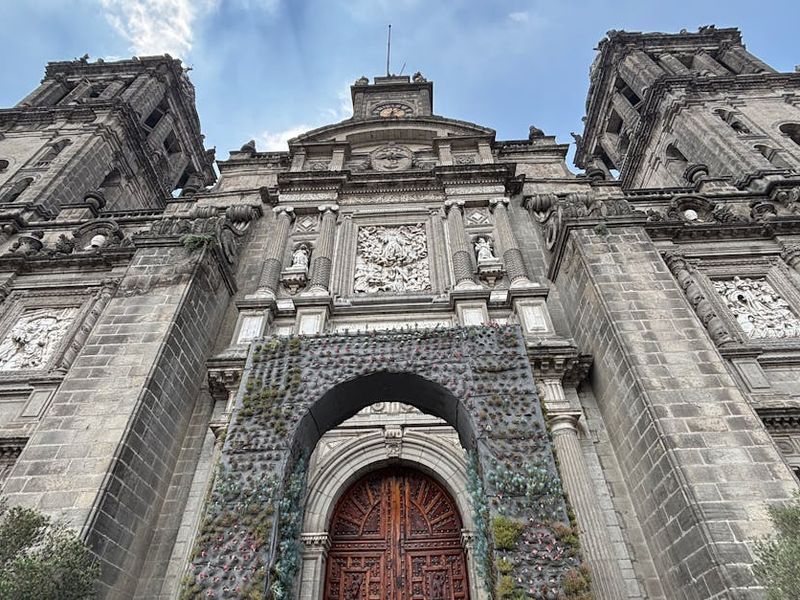
- Exploring the quaint streets around Parque Calderón and the New Cathedral.
- Turi overlook for panoramic city views that are perfect for gentle walks.
- A day in the nearby Cajas National Park for freshwater lakes and mild hikes.
- Tasting Ecuadorian cuisine — fresh soups, fish and fruit smoothies ideal for post-op diets.
Combining dental care with these experiences turns a necessary medical trip into a restorative mini-vacation.
How Cuenca Compares to Other Dental Tourism Destinations
Compared to popular dental tourism hubs like Mexico, Costa Rica or Thailand, Cuenca offers distinct advantages: exceptional savings combined with an English-friendly environment, modern clinics with European-style standards, and a post-op recovery climate that is gentler than many hot, humid coastal cities. The city also benefits from Ecuador’s use of the U.S. dollar, eliminating currency headaches for many travelers.
Final Considerations and Next Steps
If you’re considering dental work abroad, treating the trip as a medical journey rather than a bargain hunt will yield the best outcomes. Start with these steps:
- Collect your dental records and any recent X-rays to share with clinics before booking travel.
- Schedule virtual consultations with two or three clinics to compare treatment plans and communication styles.
- Confirm logistics — airport transfers, hotel arrangements and follow-up care plans.
- Plan extra days for recovery and sightseeing so you leave Cuenca feeling refreshed.
Cuenca is more than a cheap alternative — it is a thoughtful choice for people who want high-quality dentistry, genuine personal care and a calm, beautiful place to recover. With dramatic savings, modern technology and a city that invites slow, pleasant days, Cuenca has all the elements of the world’s best dental vacation destination.
Resources and What to Pack
Helpful items to bring include a copy of your travel insurance, a list of medications and allergies, any dental records you have, comfortable clothing for recovery, and a small travel pillow for flights if you’ve had oral surgery. Bring a soft-bristle toothbrush and any special oral hygiene tools recommended by your dentist. Finally, keep contact information for your clinic and hotel handy at all times.
With careful planning and the right clinic, a dental vacation in Cuenca can deliver excellent clinical results while giving you a restorative travel experience — the best of both worlds.