
Table of Contents
Why Cuenca Tops the List for Dental Tourism and Implants
If you’re researching dental implants, crowns, or veneers and considering travel for care, Cuenca, Ecuador should be at the top of your list. This UNESCO-listed, Andean city combines dramatic cost savings (often 60–70% less than the U.S. or Canada) with highly trained clinicians, cutting-edge technology, short wait times, and an enviable recovery environment. The result is exceptional value: world-class dentistry at a fraction of the price, plus the chance to turn treatment into a restorative vacation.
What Makes Cuenca a Dental Implant Destination?
Several strengths make Cuenca uniquely suited for dental tourism:
- Deep savings: Typical full-package single implant (implant, abutment, crown) often runs approximately $900–$1,500 in Cuenca versus $3,000–$4,500+ in the U.S. or Canada—real savings of roughly 60–70% for many patients.
- Skilled clinicians: Dentists in Cuenca are trained at leading Ecuadorian universities like Universidad de Cuenca and often pursue graduate work or continuing education abroad in Spain, the U.S., and other countries.
- Modern clinics and technology: Many practices use digital workflows—CBCT 3D imaging, guided surgery, CAD/CAM milling (CEREC), and in-house labs—so you get precise planning and high-quality restorations.
- Personalized, one-on-one care: Smaller clinics often provide more attentive treatment, direct access to the primary dentist (not an assistant), and post-op support tailored to international patients.
- Short wait times: Unlike long waiting lists in some places, you can often schedule consultations and treatments within days or weeks in Cuenca.
- A peaceful, restorative city: The mild Andean climate, beautiful historic center, and easy nearby nature make Cuenca an ideal place to heal after procedures.
How Dental Implant Treatment Works in Cuenca: Step-by-Step
Understanding the typical implant timeline helps plan your trip. Clinics in Cuenca follow modern protocols, and many offer flexible options that minimize travel.
1. Remote Consultation and Planning
Initial steps usually happen online. Email or WhatsApp clinical photos and dental records and schedule a video consultation. Most reputable clinics will request a CBCT (3D X-ray) and provide a treatment plan with timelines and a written estimate.
2. First Visit — Exams, Scans, and Surgery (Day 1–2)
Your in-person visit typically begins with a clinical exam and CBCT if not already done. On the surgical day the dentist places the implant(s). Some practices use guided surgery based on the digital plan for faster, more predictable results.
3. Healing and Temporary Teeth (Immediate to 3–4 Months)
Depending on bone quality and the implant system, you may receive immediate temporary teeth or be fitted with a removable temporary. Osseointegration usually takes 8–16 weeks. Many clinics monitor healing closely and provide local follow-ups as needed.
4. Final Restoration (Follow-up Visit or Local Delivery)
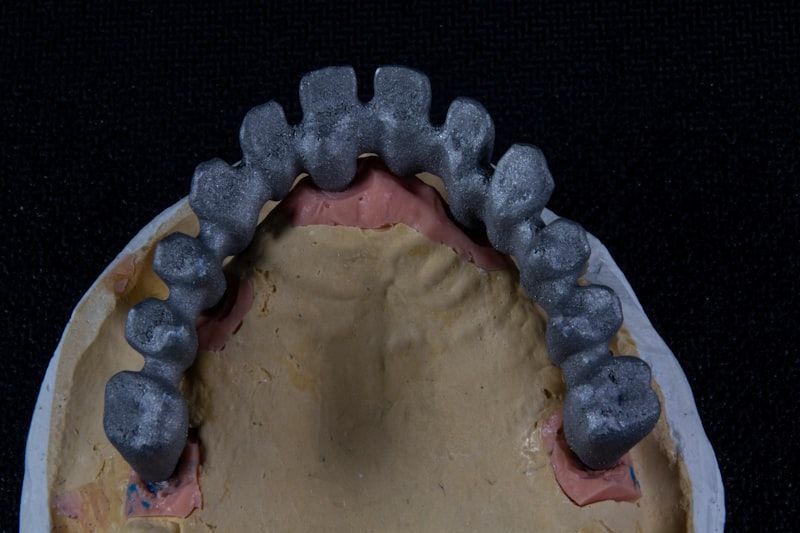
After healing, you return for abutments and final crowns or bridges. Some clinics offer same-visit CAD/CAM crowns; others use local master labs to craft porcelain or zirconia restorations. For full-arch cases, All-on-4 and hybrid prostheses are commonly done with full-arch conversion options.
Typical Costs and Value Comparison
Prices vary by clinic and materials, but here are typical ranges to help you plan. These figures are approximate and intended to illustrate the savings potential:
- Single dental implant (implant, abutment, crown): $900–$1,500 (Cuenca) vs. $3,000–$4,500+ (U.S./Canada).
- Bone grafting/sinus lift: $300–$700 extra in Cuenca vs. $1,000–$3,000+ at home.
- All-on-4 full-arch: $6,000–$9,000 in Cuenca vs. $20,000–$40,000+ in the U.S./Canada.
- Crowns: $200–$450 in Cuenca vs. $800–$1,500 at home.
- Veneers: $250–$450 per tooth in Cuenca vs. $800–$2,000 at home.
Those numbers illustrate why dental tourism in Cuenca can deliver the same or superior materials and dentistry for a fraction of the cost—freeing budget for premium materials like high-grade zirconia or internationally recognized implant brands.
Choosing the Right Clinic in Cuenca: What to Ask
When evaluating clinics, request clear answers to these critical questions:
- Are you licensed by Ecuador’s Ministry of Public Health and do you have international accreditation or references?
- Which implant systems do you use (Straumann, Nobel, BioHorizons, etc.) and are those parts original?
- Do you perform CBCT 3D imaging and guided implant surgery?
- Is there an in-house lab or a trusted local lab, and can I see before/after cases?
- What is included in the price (surgery, abutment, crown, sedation, follow-ups)?
- Do you offer warranties for implants and restorations and what are the terms?
- How is post-op care handled for international patients, and do you provide emergency contact?
Good clinics will answer directly, show credentials, and provide plenty of photos and patient testimonials. Many also arrange airport pick-ups, translators, and accommodation recommendations to make travel stress-free.
Practical Travel Tips for a Dental Vacation in Cuenca
Planning well maximizes comfort, safety, and results. Consider these practical tips:
- Book flights into Mariscal Lamar International Airport (CUE) — many travelers connect via Quito or Guayaquil.
- Stay in El Centro Histórico or the nearby Miraflores area for easy access to clinics, pharmacies, and restaurants.
- Bring a list of medications and a recent dental x-ray or clinical notes; clinics appreciate prior history.
- Arrange at least two weeks in Cuenca for common procedures (surgery + initial healing), though some cases require a return visit after 3–4 months.
- Ask about transport and recovery: numerous clinics offer hotel pickups and concierge service for first 48–72 hours.
- Budget for extras like sedatives/nitrous oxide, night guards, or premium restorative materials if you want them.
Recovery in Cuenca: Relax, Heal, and Sightsee
One of Cuenca’s advantages is the recovery environment. The city enjoys a temperate, spring-like climate year-round, meaning swelling and discomfort are easier to manage than in extreme climates. Cuenca’s calm pace, clean air, and walkable historic center offer plenty of low-impact activities as you heal.
Low-key recovery ideas include strolling around Parque Calderón, sipping coffee by the Tomebamba River, visiting Pumapungo Museum, or enjoying gentle drives to nearby Cajas National Park for easy, scenic walks. Avoid high-impact excursions for the first week or two, but the city’s relaxed rhythm makes it simple to combine treatment with restful sightseeing.
Safety, Regulations, and Quality Assurance
Ecuadorian dentists must be registered with the local health authorities, and many Cuenca clinicians adhere to international sterilization standards. Reputable clinics use autoclaves, single-use disposables where appropriate, and strict infection control protocols. Ask clinics for details on sterilization, brand names for implants, and where lab work is performed. If in doubt, request references or referrals from prior international patients.
Full-Arch Implants, Veneers, and Cosmetic Packages
Cuenca clinics are experienced in a wide range of services beyond single implants. If you need extensive reconstruction, options include All-on-4, hybrid zirconia bridges, implant-retained overdentures, and full-mouth rehabilitation. Cosmetic dentistry such as veneers and smile makeovers are also widely available and often bundled into comprehensive packages that include diagnostics, temporaries, and final restorations.
How to Avoid Common Dental Tourism Pitfalls
Dental travel offers huge benefits, but preparation is key. Keep these pitfalls in mind:
- Don’t pick the cheapest option without verifying credentials—quality materials and experienced surgeons matter.
- Avoid clinics that refuse to provide a written treatment plan, a breakdown of costs, or references.
- Be wary of promises of unrealistic timelines—true osseointegration takes time unless you are specifically doing immediate-load implants.
- Plan post-op follow-up: ensure your clinic offers clear emergency contact and will coordinate care if you return home early.
How to Find the Right Dental Vacation Package in Cuenca
Many clinics market dental tourism packages that combine airport transfers, hotel stays, and treatment. When comparing packages, look at:
- What materials and implant brands are included.
- Whether CBCT scans, guided surgery, and CAD/CAM crowns are part of the package.
- How many nights of accommodation and transfers are provided.
- Inclusion of post-op check-ups and any warranty terms.
Packages that include a private consultation with the treating dentist (not a sales representative) and clear documentation are often the best value.
Final Thoughts: The Incredible Value of Choosing Cuenca
For many patients, Cuenca represents an ideal intersection of affordability, quality, and experience. You can access highly trained dentists, modern clinics with the latest technology, and premium implant systems—often at 60–70% lower cost than North America. Add short wait times, attentive personalized care, and a beautiful city ideal for healing, and dental tourism in Cuenca becomes more than a bargain: it’s a smart, practical path to a healthier, more confident smile.
If you’re considering implants, veneers, or a full-mouth restoration, start by collecting records, arranging a remote consultation with a reputable Cuenca clinic, and planning a comfortable stay in the historic center. With the right clinic and a little planning, you can combine world-class dental care with a restorative getaway in one of Ecuador’s most charming cities.
Quick Checklist Before You Book
- Get a remote consult and written estimate.
- Verify clinic licenses, review before/after photos, and request patient references.
- Confirm implant brand and restoration materials included in the price.
- Arrange accommodation in El Centro or Miraflores for easy clinic access.
- Plan travel for the recommended healing timeline; consider a two-visit plan if advised.
- Prepare a travel health kit and keep digital copies of all records.
Cuenca is more than a destination—it’s a compelling solution for affordable, high-quality dental care. Whether you need a single implant or a full-mouth makeover, the city’s combination of savings, expertise, and beautiful recovery surroundings makes it one of the best dental tourism choices in the world.