
Table of Contents
Cuenca: A Dental Tourism Destination That Combines Value, Quality, and Beauty
When people talk about dental tourism, a handful of cities come up again and again. But Cuenca, Ecuador, quietly stands out as a complete package: world-class dental care at a fraction of North American prices, modern clinics with cutting-edge technology, short wait times, and a beautiful city that doubles as a restorative vacation spot. For full-mouth dental implants, crowns, and veneers—procedures that can be prohibitively expensive at home—Cuenca delivers exceptional value without sacrificing quality.
Massive Savings: Why Cost Is the First Reason Patients Fly to Cuenca
One of the most compelling reasons patients choose Cuenca is cost. You can expect 60–70% savings on major dental work compared to the United States and Canada. To put that into perspective: a single implant with a crown that often costs $3,500–$6,000 in the U.S. can commonly be completed in Cuenca for a fraction of that price. For full-mouth reconstructions with multiple implants and prosthetics, the savings can free up tens of thousands of dollars—turning an unaffordable treatment into an achievable plan.
Those savings are not because of lower standards, but due to lower overhead, different pricing structures, and favorable exchange rates. Clinics in Cuenca invest in quality materials and international implant systems while keeping their fees competitive, which means you get a better overall value for complex procedures like All-on-4, bone grafting, and full-arch implant-supported bridges.
Highly Trained Dentists With Global Standards
Cuenca’s dental community is staffed by dentists trained at respected Ecuadorian universities—such as the Universidad del Azuay and the Universidad de Cuenca—and many have postgraduate certificates or continuing education from Europe, the U.S., and Latin America. You will find specialists in implantology, oral surgery, prosthodontics, and periodontics working together on multidisciplinary cases.
What sets Cuenca apart is the blend of strong foundational training and a culture of ongoing professional development. Clinics routinely participate in international conferences, adopt evidence-based protocols, and maintain strict infection-control standards that meet or exceed what international patients expect.
Modern Clinics and Technology That Match International Standards
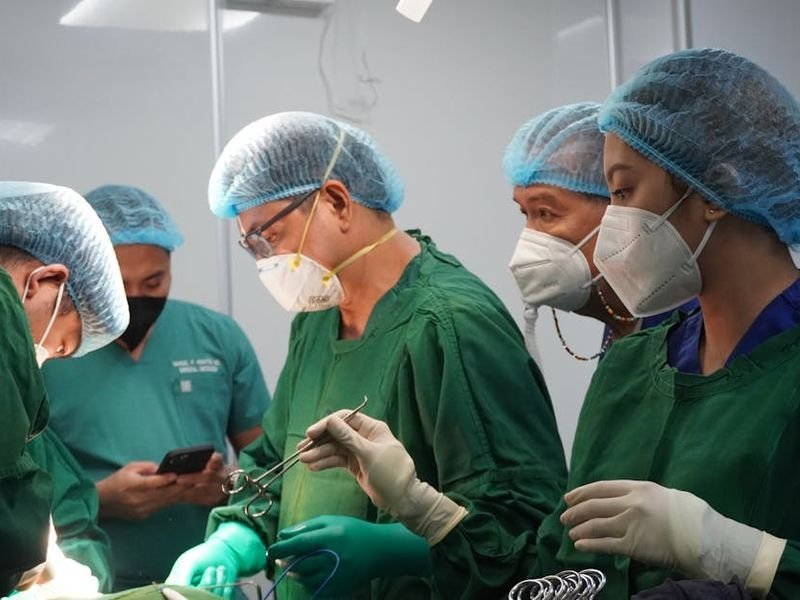
Dental clinics in Cuenca are modern, clean, and well-equipped. Many use digital workflows—CBCT (cone beam CT) imaging for precise implant planning, intraoral scanners for accurate digital impressions, and CAD/CAM milling for same-day provisional crowns. Sedation and IV anesthesia, if needed, are available in accredited facilities.
Ask clinics about the technologies they use: 3D-guided surgery, piezosurgery, digital occlusion analysis, and high-quality implant brands. These tools reduce risk, speed recovery, and improve long-term outcomes—important factors when planning full-mouth restorations.
Short Wait Times and Efficient Treatment Schedules
Compared to some other dental tourism hotspots, Cuenca often offers quicker access. Many clinics maintain smaller patient loads and personalized schedules, meaning you won’t face long waits for consultations or surgery dates. That efficiency allows you to combine treatment with a short dental vacation—get work done, recover, and enjoy the city without multiple trips or long delays.
For full-mouth implants, clinics typically provide a clear timeline: initial consultation and diagnostics, surgical placement (or immediate load if suitable), and follow-up appointments for final prosthetics. Advanced clinics coordinate logistics so you can plan a single trip where possible, or a short second visit for final fits.
Personalized, One-on-One Care That Feels Like a Vacation Perk
One of the biggest surprises for first-time visitors is the level of individualized care. Clinics in Cuenca tend to provide a patient-centric experience, with detailed treatment plans, bilingual staff, and post-op support that extends beyond the clinic. You’ll often meet directly with the head surgeon or prosthodontist, rather than a junior staffer, which builds trust and improves outcomes.
Many clinics also offer concierge-style services—airport pickup from Cuenca’s Mariscal Lamar Airport (CUE), hotel recommendations, and coordinated transportation to appointments. That high level of personal service makes a potentially stressful dental journey more comfortable and enjoyable.
Recover in a Beautiful, Calm Environment—The Ideal Setting for Healing
Recovery matters as much as the procedure itself. Cuenca’s mild Andean climate, clean mountain air, and relaxed pace make it an ideal place to recuperate after dental surgery. The city’s historic centro is a UNESCO World Heritage area filled with quiet plazas, tree-lined promenades, and riverside paths—perfect for gentle walks and fresh-air therapy after treatment.
If you want to blend recovery and recreation, destinations like Cajas National Park are 30–60 minutes away for short, restorative day trips. Hot springs and thermal baths are accessible within a reasonable drive for soothing soaks, while the city offers a thriving café culture where you can rest and enjoy nutritious local cuisine.
Combine Treatment With a Memorable Vacation
Cuenca makes a dental vacation easy to plan. Between appointments you can explore the colonial architecture around Parque Calderón, stroll along the Tomebamba River, browse artisan markets, and sample Andean specialties—fresh trout, tropical fruits, and flavorful roasted cuy for the adventurous. Museums, art galleries, and a lively expat community provide cultural comforts and social options for companions.
Day trips to nearby attractions—Ingapirca ruins, indigenous markets, or cloud forests—turn a necessary recovery window into a restorative mini-break. Many patients comment that the blend of competent care and beautiful surroundings made their dental experience far less intimidating than expected.
Practical Timeline: How to Plan a Full-Mouth Implant Trip to Cuenca
Planning depends on the chosen protocol. Here’s a practical breakdown to help you schedule:
- Initial communication: Send photos and X-rays to the clinic; many offer free consultations by email or video.
- First trip (7–14 days): Comprehensive exam, CBCT scan, extractions if required, surgical placement of implants or immediate-loading prosthetics.
- Recovery period (7–14+ days): Soft diet, rest, light walking. Many patients combine recovery with light sightseeing within the city.
- Interim healing (2–4 months): Depending on bone healing and whether immediate-load was used. Some clinics provide temporary prosthetics so you can return home comfortably.
- Final prosthetics visit (3–6 months): Return for impressions, adjustments, and delivery of permanent crowns or bridges. Some clinics can ship final prosthetics or coordinate with a local dentist for final placement.
Advanced techniques like immediate-load All-on-4 may reduce the number of visits, but candidacy depends on bone volume and overall oral health. A trusted clinic will explain options and create a treatment plan that fits your schedule and budget.
What to Ask Before You Book: A Practical Checklist
Before committing, ask potential clinics these direct questions to protect your investment and health:
- Which implant brands and materials do you use?
- Can I see before-and-after photos of similar full-mouth cases?
- Do you use CBCT scans and guided surgery?
- What is your infection-control protocol?
- Who will perform the surgery and what are their qualifications?
- Are sedation and emergency care available if needed?
- What guarantees or warranties do you offer on implants and prosthetics?
- How are post-op complications handled if I’m back home?
Clear answers to these questions show professionalism. Reputable clinics will welcome them and provide documentation, detailed estimates, and patient references.
Travel Logistics and Local Tips for a Smooth Dental Vacation
Getting to Cuenca is straightforward. You can fly into Cuenca’s Mariscal Lamar Airport (CUE) with connections from Quito or Guayaquil. Many international travelers connect through either Quito (UIO) or Guayaquil (GYE) and take a short domestic flight or a comfortable shuttle to Cuenca.
Accommodations: Choose a central hotel or a quiet B&B in the historic district (El Centro) or the residential neighborhood of San Sebastián for easy access to clinics and calmer recovery zones. Many hotels are familiar with dental tourists and can suggest restaurants with soft-food options.
Transport: Taxis and app-based rides are affordable. Clinics often provide pick-up and drop-off services—confirm this when booking. Pharmacies are abundant and well-stocked; antibiotic and pain medications are available by prescription from your treating dentist.
Aftercare, Warranties, and Long-Term Maintenance
Reputable clinics provide a written aftercare plan and often offer limited warranties on prosthetics or implant components. Before you leave, get a clear breakdown of what the warranty covers and the process for managing complications. Many clinics will coordinate with your local dentist for maintenance and future checks, easing long-term care.
Routine maintenance—professional cleanings, home care, and periodic checks—are essential for implant longevity. Ask your Cuenca clinic for a maintenance schedule and recommendations your local provider can follow.
Real Value: Why Cuenca Is Not a Cheap Option—It’s a Smart Investment
It’s important to reframe cheapness as value. Cuenca offers remarkable savings, but these are paired with quality, transparency, and an experience geared to international patients. For full-mouth implants, crowns, or veneers, choosing Cuenca can mean access to higher-tier treatment than you might afford at home, delivered in an environment designed to help you heal and enjoy life.
Beyond dollars saved, patients gain an efficient treatment timeline, attentive clinicians, advanced technology, and a serene recovery environment—making the overall experience more than a dental trip. It becomes a dental vacation with lasting benefits.
Final Thoughts: Why So Many International Patients Decide on Cuenca
Cuenca’s appeal is a rare alignment of factors: demonstrable cost savings of 60–70%, specialists trained at top local and international programs, state-of-the-art clinics, short wait times, and a UNESCO-listed city that actively supports restorative recovery. Add bilingual staff, robust aftercare options, and a host of cultural and natural attractions, and it’s clear why people are choosing Cuenca for full-mouth restorations.
If you’re exploring dental implant options, consider reaching out to a few reputable Cuenca clinics for virtual consultations. Compare treatment plans, ask for CBCT-based proposals, and factor in travel and accommodation. For many patients, that first conversation leads to a life-changing smile—and a memorable stay in one of South America’s most beautiful and welcoming cities.
Quick Travel Checklist
- Schedule a virtual consultation and request a CBCT-based treatment plan.
- Confirm implant brands, warranties, and post-op arrangements.
- Plan at least 7–14 days for the initial visit and arrange a return for final prosthetics if needed.
- Book accommodations in El Centro or San Sebastián for easy access and restful surroundings.
- Bring copies of medical histories, medications, and a travel-friendly supply of any daily prescriptions.
Cuenca is not just a cost-effective dental option—it’s a holistic solution that pairs clinical excellence with a soothing environment, efficient logistics, and memorable travel experiences. For full-mouth implants and major dental reconstructions, it’s a destination worth serious consideration.