
Table of Contents
Introduction: Dental Care Meets Vacation in Cuenca
If you need crowns, veneers, or dental implants and are weighing your options, Cuenca should be at the top of your list. This UNESCO World Heritage city combines remarkably affordable dentistry—often 60–70% cheaper than the US and Canada—with highly trained clinicians, modern clinics, and a soothing Andean setting ideal for recovery. In short: you can get world-class dental work and treat yourself to a restorative vacation at the same time.
How Cuenca Delivers Massive Savings Without Compromise
Cost is the headline reason many patients choose dental tourism, and Cuenca delivers dramatic savings. A single crown in the United States or Canada commonly costs between $1,000 and $1,500; in Cuenca you can expect $300–$600 for a ceramic or zirconia crown—about 60–70% less. Porcelain veneers that might run $1,000–$2,500 per tooth at home are typically $300–$700 in Cuenca. Dental implants that cost $3,000–$5,000-plus in North America often range from $900 to $1,500 in Cuenca.
Those numbers are not low-quality bargains—many Cuenca clinics use the same materials (zirconia, porcelain, titanium implants) and digital technologies as clinics in major U.S. or Canadian cities. What you are paying for is a different cost structure: lower overhead, more affordable professional fees, and an economy that translates into excellent value for international patients.
Highly Trained Dentists and International Standards
Cuenca’s dentists are often educated at top universities in Ecuador and internationally, and many have additional training or certifications in the U.S., Europe, or Latin America. Clinics regularly employ specialists—prosthodontists, oral surgeons, periodontists—so complex cases are handled by the right experts rather than generalists working outside their scope.
Modern Cuenca clinics follow strict sterilization and safety protocols, use digital diagnostics (CBCT scans, intraoral scanners), and offer CAD/CAM milling for same-day restorations. Before deciding on a clinic, ask for staff credentials, continuing education records, and details on infection control procedures—reputable clinics will share this openly.
Why the Clinic Experience in Cuenca Feels Personal
One of the most praised aspects of dental tourism in Cuenca is the personalized, one-on-one care. Clinics here often cater to small groups of international patients and prioritize appointment planning, multilingual staff, and patient comfort. You are far less likely to be passed from technician to technician; instead you’ll receive individualized consultations, detailed treatment planning, and follow-up that feels attentive.
This small-scale, patient-centered approach means dentists often spend more time explaining options, reviewing materials, and ensuring the cosmetic outcome aligns with your expectations—especially important for veneers and smile makeovers.
State-of-the-Art Technology: Same Tools, Lower Price
Cuenca clinics boast many of the same technologies found in major North American practices. Look for clinics that advertise CBCT (cone beam CT) for precise implant planning, digital X-rays, intraoral scanners for accurate impressions, and in-house milling machines for high-quality zirconia crowns. These tools not only improve outcomes but also speed turnaround times, which is crucial if you’re traveling to combine treatment and tourism.
Ask whether the clinic uses CAD/CAM workflow and what brands of prosthetic materials they use—brands like Nobel Biocare, Straumann, and Zimmer are available in Ecuador, and many clinics will accommodate brand preferences when possible.
Short Wait Times and Efficient Scheduling for Travelers
Compared to long waitlists or months-long scheduling windows in some home countries, Cuenca clinics typically offer much faster access. Many dental tourists report first consultations within days of arrival and start of treatment within a week. For straightforward crowns or veneers, you can often complete initial tooth preparation and delivery within one to two weeks. Some clinics offer same-day crowns using CAD/CAM technology.
Implants can require staged visits—implant placement, healing, and restoration—but many clinics provide clear timelines and coordinate follow-up care to minimize return trips. Some implant systems allow immediate loading so you can leave with temporary restorations and return for final restorations once healing is complete.
Recover in Style: Cuenca’s Gentle Climate and Charming Setting
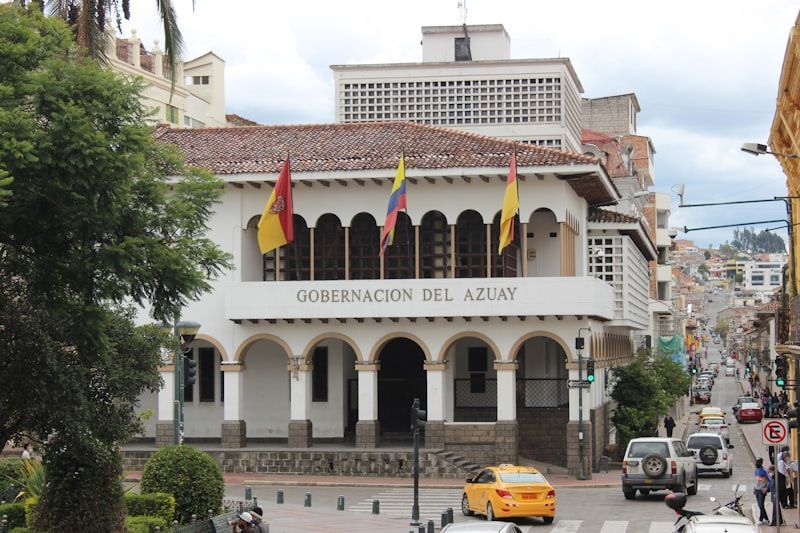
Recovery matters. Cuenca sits at about 2,560 meters (8,400 feet) above sea level, and its climate is springlike year-round—mild daytime temperatures, cool evenings, and low humidity. That stable, comfortable weather is ideal for recuperation after procedures. The city’s walkable historic center offers peaceful parks, low-key cafes, and quiet accommodations that encourage rest without being isolated.
Plan your recovery stay in a comfortable apartment or boutique hotel near the Parque Calderón so you can enjoy short, restorative walks, light meals at pleasant restaurants, and gentle sightseeing. Avoid strenuous treks immediately after oral surgery, but consider easy day trips to places like El Cajas National Park, the hot springs at Baños (a few hours away), or the artisan markets for light distraction and mood-lifting activities.
Turn a Dental Trip into a Dental Vacation
One of Cuenca’s greatest appeals is its ability to combine necessary dental work with genuine leisure. After a half-day procedure, spend afternoons exploring colonial churches, visiting the Museo Pumapungo, or sampling Ecuadorian cuisine at a sidewalk café. Many patients use downtime between implant stages for restorative tourism—craft workshops, birdwatching near the river, or day tours to nearby colonial towns.
This blending of medical care and vacation offers psychological benefits: less anxiety, improved mood, and a sense of reward that can make the recovery process easier. It’s a chance to prioritize your oral health while enjoying experiences you wouldn’t get in a sterile clinic setting at home.
How to Choose the Right Clinic in Cuenca
With options available, use a checklist to find a reliable clinic:
- Check credentials: dental school, specialist certifications, and continuing education.
- Ask about technology: CBCT, intraoral scanners, CAD/CAM milling, and sterilization methods.
- Request before-and-after photos of similar cases and patient testimonials—ideally from international patients.
- Confirm materials and brands for implants, crowns, and veneers.
- Ask about warranties, post-op follow-up, and communication channels (WhatsApp, email).
- Verify multilingual support or availability of translators for your visits.
- Discuss payment options, estimates, and whether additional costs (anesthesia, lab fees) are included.
Practical Planning Tips for Your Dental Trip
To make the most of your trip, prepare thoughtfully:
- Bring recent dental records and X-rays; many clinics will request these in advance.
- Plan a timeline: crowns/veneers typically need 7–14 days; implants may need staged visits across months if conventional healing is required.
- Book flexible flight tickets—unexpected changes can happen—and plan extra days for recovery and follow-up.
- Purchase travel insurance that covers medical procedures abroad if possible, and check whether your insurer provides international coverage for dental complications.
- Pack a small medical kit, including antibiotics and pain meds if prescribed; many clinics will provide prescriptions to fill at local pharmacies.
- Consider a pre-trip teleconsultation so the clinic can prepare a treatment plan and cost estimate before you arrive.
Language, Logistics, and Local Practicalities
Spanish is the official language, but many clinics and tourist services in Cuenca cater to English-speaking patients. Clinics often provide bilingual staff or translation by phone. Currency is U.S. dollars, which simplifies payment planning and eliminates currency exchange complications. The city is well connected by domestic flights to Quito and Guayaquil, and international flights arrive via those hubs.
Cuenca has excellent private and public pharmacies, healthy dining options, and English-speaking expatriate communities that can help with non-medical logistics. Remember the altitude: give yourself a day or two to acclimatize if you arrive from sea level, especially before undergoing anesthesia.
Safety, Quality Assurance, and Follow-Up Care
Patient safety is a top concern. Choose clinics that document sterilization practices, use single-use disposables when appropriate, and follow recognized safety protocols. Reputable clinics provide post-op instructions, follow-up appointments, and emergency contact numbers. Many will coordinate with a dentist in your home country for long-term maintenance, making the transition back to local care seamless.
If you need long-term follow-up or a warranty, get those terms in writing. Ask for a copy of treatment records and photographs to hand to your home dentist. This record helps ensure continuity of care if you need adjustments or repairs later.
Real Savings, Real Smiles: Patient Value Beyond Price
Choosing Cuenca for dental work is about more than a lower invoice. It’s about receiving high-quality materials and expertise, enjoying one-on-one care, and combining medical treatment with a restorative environment that supports healing. Patients often report not only financial relief but also higher satisfaction because they feel well-cared-for and respected during the process.
The overall value—quality of work, short waits, advanced technology, personal attention, and a beautiful recovery setting—makes Cuenca an exceptional choice for crowns, veneers, and implants. When you add in potential savings of thousands of dollars, the decision becomes both a smart financial and lifestyle choice.
Sample Itineraries: Crowns, Veneers, and Implant Trips
Examples to help you plan:
- Crowns: 7–10 days. Day 1 consult and digital scans; day 2 tooth prep and temporary crowns; days 7–10 delivery of permanent crowns (longer if lab needs adjustments).
- Veneers: 10–14 days. Initial consult and smile design; tooth preparation and temporaries; final placement after lab fabrication. Many clinics offer digital mock-ups so you can preview results before work begins.
- Implants: 1–2 staged trips or single trip with immediate-load protocols. Initial visit for implant placement and temporary crown (2–7 days), then return after osseointegration for final prosthesis (3–6 months if conventional healing is used).
Final Thoughts: Why Cuenca Stands Out
Dental tourism in Cuenca is a unique crossroads of affordability, expertise, and travel experience. The financial benefits are clear—savings of 60–70% on common procedures—but equally important are the quality of care, modern technology, and the city’s gentle environment that supports recovery. Whether you want a smile makeover with veneers, a set of durable implants, or a handful of crowns, Cuenca offers a compelling package: excellent dentistry, short waits, personalized service, and the chance to heal in one of South America’s loveliest colonial cities.
With careful planning, credential checks, and realistic timelines, you can turn necessary dental care into an enriching trip that renews both your smile and your spirit. Cuenca isn’t just a place to save money on dental work—it’s a place to be treated like a person, not a file, and to enjoy the powerful benefits of combining health care with a restorative, beautiful vacation.