
Table of Contents
Introduction: Dental Care Meets Vacation in Cuenca
Cuenca, Ecuador has quietly become a global leader in dental tourism, and retirees from the United States, Canada and Europe are increasingly choosing this colonial city for major dental work. If you’re considering implants, crowns or veneers, Cuenca offers a rare combination: world-class clinical standards, jaw-dropping savings (often 60–70% less than North American prices), short wait times and a beautiful place to recover. This article explains exactly why Cuenca is one of the best places in the world for dental vacations and how to plan a smooth, safe, and restorative trip.
Why Cuenca Is Ideal for Dental Tourism
Several factors make Cuenca stand out as a dental destination. It’s not just the cost — though that’s a major draw. The city has an established network of modern private dental clinics equipped with digital X-rays, 3D cone beam CT scanners, intraoral scanners and CAD/CAM systems for same-day restorations. Many dentists trained at top Ecuadorian universities and international programs, and clinics often employ protocols familiar to North American patients. Add a mild climate, a walkable, safe downtown and a welcoming expat community, and you have an excellent recovery environment.
Cost Savings That Change What’s Possible
One of the biggest reasons retirees choose Cuenca is affordability. Typical treatment costs in Cuenca are roughly 60–70% lower than in the U.S. and Canada. To put that into perspective:
- Single dental implant: U.S. $3,000–$6,000 vs. Cuenca $900–$1,500
- Porcelain crown: U.S. $800–$2,000 vs. Cuenca $200–$600
- Porcelain veneers: U.S. $900–$2,500 per tooth vs. Cuenca $250–$700
For retirees living on fixed incomes, these savings make it feasible to replace multiple teeth or upgrade an entire smile without draining retirement savings. Many people finance a restorative treatment plan in Cuenca that would be unaffordable at home.
World-Class Dentists and Modern Clinics
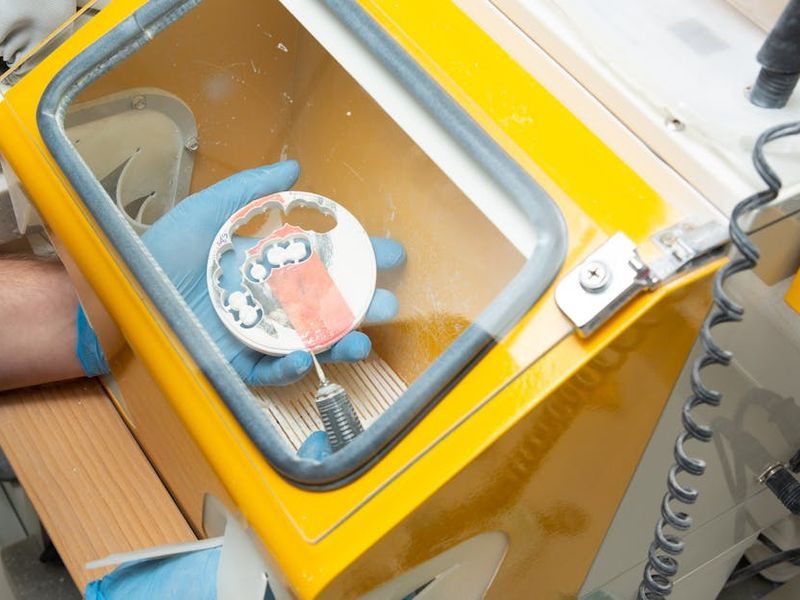
Cuenca’s dental professionals are trained at respected local institutions such as the Universidad de Cuenca and Universidad del Azuay, and many dentists pursue additional education abroad and continuing education courses. Clinics in the city invest in modern technologies: digital implant planning software, guided surgical guides, 3D imaging, and chairside CAD/CAM mills for high-quality crowns and bridges. These technologies reduce chair time, improve precision and increase the predictability of outcomes.
Personalized, One-on-One Patient Care
One hallmark of dental tourism in Cuenca is the level of personalized attention. Many clinics are small to medium-sized practices focused on individual patient relationships. You’ll often work directly with your dentist rather than rotating through an array of technicians. Spanish is common, but many dentists and coordinators speak fluent English and tailor treatment plans and explanations for international patients. Clinics catering to tourists frequently provide patient coordinators who handle logistics, translations, and aftercare communications.
Short Wait Times and Efficient Treatment Scheduling
Unlike many public or high-demand private systems back home where you can wait months for specialist appointments, Cuenca clinics typically offer prompt scheduling. Many practices accommodate same-week consultations and can sequence treatment so you complete multiple phases within a short stay — for example, placing an implant and scheduling a follow-up for crown placement within a few months, or using CAD/CAM to deliver a crown in a single visit when clinically appropriate. This efficiency is a major advantage for travelers who need to limit time away from home.
Combining Dental Work with a Beautiful Recovery
The quality of your recovery environment matters. Cuenca’s mild climate, stunning colonial architecture, and slower pace create a soothing backdrop for healing. Retirees appreciate that cafés, pharmacies, and parks are within easy reach of central clinics. After procedures, it’s easy to rest in a comfortable short-term rental in neighborhoods like El Centro, San Sebastián, or the peaceful riverside area near the Yanuncay. Gentle activities — walking the Parque Calderón, enjoying the local markets, or side trips to Cajas National Park — provide restorative downtime without strenuous exertion.
Altitude and Health Considerations
Cuenca sits at around 2,560 meters (8,400 feet) above sea level. Most visitors acclimatize easily, but retirees with certain cardiopulmonary conditions should consult a physician before travel. A practical tip: arrive 2–3 days before major surgery to adjust to the altitude. Dentists in Cuenca are familiar with these considerations and can advise on sedation options and medication timing to ensure safe anesthesia and comfort.
Which Procedures Are Best Suited to a Dental Vacation?
Cuenca is particularly strong for restorative and cosmetic procedures where cost and high-quality lab work matter most. Popular options among retirees include:
- Single and multiple dental implants — for replacing missing teeth with durable, high-value solutions.
- Porcelain crowns and bridges — including same-day CAD/CAM crowns when appropriate.
- Porcelain veneers and smile makeovers — high-end esthetic work at lower costs.
- Full-arch implant-supported prostheses — a life-changing option for those replacing an entire upper or lower arch.
Because implants sometimes require staged treatment (implant placement followed by healing and crown delivery), many patients plan an initial trip for surgery and a short return visit months later for final restoration. Clinics routinely coordinate this schedule for international patients.
Practical Planning: How to Organize Your Dental Vacation
Planning ahead makes a dental vacation comfortable and predictable. Here’s a step-by-step approach that many retirees use:
- Research clinics: Look for dentists with verifiable credentials, patient reviews, and examples of before/after photos. Ask about technologies they use (CBCT, intraoral scanner, digital planning).
- Request a virtual consultation: Many clinics will review X-rays and photos remotely, provide a treatment plan and cost estimate, and outline the suggested timeline.
- Confirm language support: Ask if the dentist or a patient coordinator speaks English and whether they’ll be available for calls after you return home.
- Book travel and accommodation: Choose lodging close to the clinic. Neighborhoods like El Centro and San Sebastián are convenient and safe.
- Prepare medical records: Bring recent X-rays, medication lists and any relevant health history. If you take blood thinners or have other conditions, coordinate with both your physician and the dentist.
- Plan follow-up: Make sure the clinic provides written post-op instructions, a prescription plan, and a warranty or guarantee policy on lab work and implants.
What to Pack for Your Trip
Bring comfortable clothing, a small travel pillow, any prescribed medications, and printed copies of medical and dental records. Include a list of emergency contacts and your home dentist’s information. Some patients also pack a soft-bristled toothbrush, an oral irrigator for after-surgery care, and over-the-counter items recommended by the clinic.
Safety, Quality Assurance and Warranties
Quality and safety are top priorities for reputable Cuenca clinics. Many adhere to international sterilization protocols and use sterile, single-use consumables when appropriate. Ask clinics about the implant brands they use and whether those brands are recognized internationally. Most established practices provide written warranties on lab work (crowns, bridges) and will coordinate long-term follow-up care. For extra peace of mind, seek clinics that are transparent about complication protocols and that offer emergency contact lines for international patients.
Real Value Beyond Price: Longevity and Comfort
While cost savings are compelling, the true value comes from receiving a comfortable, long-lasting restoration without sacrificing quality. Excellent clinical planning, digital imaging and surgical guides increase the predictability of implant success. High-quality materials and labs ensure crowns and veneers look natural and last many years. When you add the positive recovery environment of Cuenca — lower stress, good food, access to gentle outdoor activities — many retirees report a better overall experience than undergoing the same procedures at home.
Combining Dental Care with Ecuadorian Culture and Nature
Beyond clinics and savings, Cuenca is a UNESCO World Heritage site with cobblestone streets, lively markets and a vibrant arts scene. Patients often extend their stay to enjoy day trips: explore the pre-Incan ruins at Ingapirca, visit the artisan pueblos of Gualaceo and Chordeleg, or hike in the nearby Cajas National Park. These activities aren’t just pleasant — they support a calm recovery and provide meaningful memories tied to a life-improving dental experience.
Final Checklist Before You Book
- Get a virtual second opinion if possible and compare multiple clinics’ quotes.
- Confirm technologies used: CBCT, digital scanners, guided surgery, CAD/CAM options.
- Ask about warranties, follow-up schedules and who will handle complications.
- Plan at least 2–3 days in Cuenca before major surgery to acclimatize to altitude.
- Arrange comfortable, quiet accommodation near the clinic for at least a few days post-op.
- Check passport validity, travel insurance, and whether your health insurance covers complications abroad.
Conclusion: Cuenca — A Smart, Restorative Option for Retirees
For retirees seeking an affordable, high-quality option for implants, crowns and veneers, Cuenca offers an unbeatable combination of cost, expertise and comfort. The city’s modern clinics, experienced dentists, and one-on-one care model allow you to get world-class dentistry at a fraction of the price — and to recover in one of Ecuador’s most beautiful and calming cities. If you want top-tier restorations without the sticker shock, Cuenca is one of the best dental tourism choices in the world.
Ready to explore your options? Start with a virtual consultation, compare clinics, and plan a short but restorative visit — your new smile and a memorable vacation could be closer than you think.