
Table of Contents
Introduction: The Rise of Dental Tourism — and Why Cuenca Leads the Pack
When patients weigh the cost and quality of dental care abroad, Cuenca, Ecuador keeps rising to the top of the list. For people seeking full-mouth dental implants, crowns or veneers, the city offers a rare combination: dramatic cost savings (often 60–70% less than the US and Canada), highly trained dentists, modern clinics with advanced technology, and a recovery environment that feels more like a restorative vacation than a medical trip. This article explains why Cuenca has become one of the world’s smartest dental-tourism destinations and exactly how to plan a trip that combines excellent care with an unforgettable stay.
Cost Savings That Make Major Treatment Possible
One of the most compelling reasons international patients fly to Cuenca is cost. Dental implants, full-mouth reconstructions, crowns and veneers are expensive in the United States and Canada. In Cuenca, many patients save 60–70% on the total price. That kind of savings can turn a multi-visit, multi-year plan into a single trip where most work is completed affordably and efficiently.
To put that in perspective: a treatment plan that might cost $30,000–$50,000 at home can be significantly reduced in Cuenca without sacrificing quality. These savings come from lower overhead costs and a favorable exchange rate — not from cutting corners. For many international patients, the finances alone make the journey worthwhile.
World-Class Dentists Trained at Top Universities
Cuenca’s dental professionals are often trained at some of the best universities in Ecuador and abroad, and many pursue advanced certifications in implantology, prosthodontics and aesthetic dentistry. Ecuadorian dental education is rigorous, and practitioners frequently supplement their training with international courses and hands-on residencies. The result is a pool of clinicians who combine local knowledge with the latest global techniques.
Many dentists in Cuenca also participate in international conferences, belong to professional associations, and maintain ongoing training in areas like guided implant surgery, bone grafting, and digital smile design. You’ll find teams of specialists — implantologists, prosthodontists, periodontists and endodontists — collaborating on complex full-mouth cases, giving patients multidisciplinary care under one roof.
Modern Clinics with Cutting-Edge Technology
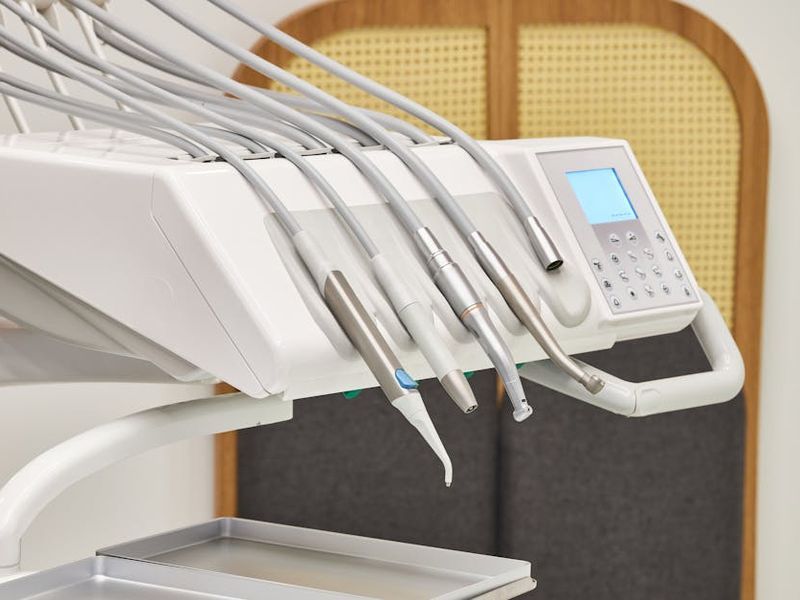
Cuenca’s top dental clinics are equipped with the same technology you would expect in leading North American and European practices. Think 3D cone-beam CT (CBCT) imaging for precise implant planning, CAD/CAM milling systems for same-day crowns, digital intraoral scanners for accurate impressions, and guided implant placement technology to improve predictability and reduce recovery time.
These clinics frequently use high-quality implant systems and premium materials for crowns and veneers. Sterilization standards meet or exceed international protocols, and many facilities offer private operating rooms for surgical procedures. The combination of advanced equipment and experienced teams gives international patients confidence that they’re receiving contemporary, evidence-based dental care.
Short Wait Times and Efficient Treatment Timelines
Unlike busy public hospital systems or long waiting lists in certain countries, Cuenca clinics often book consultations and procedures quickly — sometimes within days. For patients traveling from abroad, that means being able to plan a trip with predictable timelines rather than extended delays.
Many clinics offer streamlined full-mouth plans. For example, careful diagnostic work (including CBCT scans and digital planning) can be completed in a couple of visits, with surgical implant placement and subsequent prosthetic phases scheduled efficiently. Some practices provide “immediate load” or All-on-4 solutions where patients leave with fixed provisional teeth the same day, cutting down recovery inconvenience and the number of return visits.
Personalized, One-on-One Patient Care
One hallmark of dental tourism in Cuenca is personalized attention. Clinics cater to international patients with concierge-style services: individualized treatment plans, pre-travel consultations via video call, bilingual coordinators, and clear written estimates. The smaller scale of many practices allows dentists to spend more time with each patient, ensuring one-on-one care rather than brief chair-side consults common in high-volume settings.
Post-op follow-up is often thorough, with clinics providing written instructions, medications, and direct lines for emergency contact. Many dentists also coordinate care with local general dentists once patients return home, facilitating a smooth long-term outcome.
A Healing, Beautiful Recovery Environment
Cuenca’s climate and atmosphere make it an ideal place to recover after dental surgery. Situated at about 2,500–2,600 meters (around 8,200 feet) in the southern Andes, the city enjoys a mild, spring-like climate year-round — cool days, comfortable nights and lower humidity than many coastal cities. That stable, pleasant weather aids healing and reduces the fatigue some patients experience after extensive dental work.
Cuenca’s historic center, a UNESCO World Heritage site, features cobblestone streets, parks, and a relaxed pace perfect for post-surgery rest. There’s a thriving café culture, quiet plazas and plenty of accommodation options from boutique hotels to long-stay apartments that provide the comforts needed during recovery.
Combine Treatment with a Memorable Vacation
Dental travel to Cuenca doesn’t have to be all clinic visits and rest. Many patients build a mini-vacation into their recovery period. When you’re not attending appointments or resting, you can stroll the historic downtown, visit artisan markets in Chordeleg and Gualaceo, or take a day trip to El Cajas National Park for gentle hikes and lake vistas. The city’s museums, churches and riverside promenades offer peaceful ways to enjoy your time without stressing your recovery.
For longer stays, consider pairing treatment with cultural activities like cooking classes, Spanish lessons, or visits to nearby archaeological sites such as Ingapirca. These low-impact activities support mental well-being during recovery and turn a medical trip into a restorative travel experience.
Clear Steps to Plan Your Dental Trip to Cuenca
Planning makes all the difference. Here is a practical timeline to consider:
- Initial Research: Request digital consultations and cost estimates from several clinics. Send photos and recent dental records, and ask for a CBCT if you already have one.
- Travel Logistics: Most international travelers connect through Quito or Guayaquil; then take a short domestic flight to Mariscal Lamar Airport in Cuenca. Book accommodations close to your clinic for convenience.
- First Visit: Expect in-depth diagnostics, including clinical exams, digital scans and CBCT imaging if needed. This is when the final treatment plan and timeline are confirmed.
- Surgery Phase: Implant placement or extractions are performed with local anesthesia and conscious sedation options if desired. Many clinics offer guided surgery for precision.
- Recovery and Follow-Up: Plan for several days of rest on-site, with follow-up checks and instructions. Prosthetic phases (abutment placement, crowns, veneers) are scheduled according to your bone healing and implant protocol — often completed within weeks to months depending on the treatment.
- Return Home: Clinics often provide comprehensive records and follow-up communication. Many dentists coordinate with your local dentist for future maintenance.
Realistic Timelines for Full-Mouth Work
Timelines vary by case. For straightforward implant cases, a staged approach might require initial surgery, 3–6 months of healing, then prosthetic placement. However, for many eligible patients, immediate-load protocols or All-on-4 solutions allow fixed provisional teeth the same day as surgery, drastically reducing downtime and the need for multiple return trips.
Cuenca clinics are experienced in tailoring treatment to patient needs and budgets, offering options from high-end custom zirconia frameworks to more budget-friendly yet reliable solutions. Discuss timelines and expectations in advance so you can coordinate travel, work leave, and recovery time.
Practical Tips: Safety, Documentation and Costs
Before you go, make sure you:
- Gather dental records, X-rays, and a list of medications. Send these to your chosen clinic ahead of time for a preliminary plan.
- Ask about implant brands, materials, and warranties. Confirm sterilization protocols and whether the clinic offers sedation or hospital-affiliated surgery if necessary.
- Discuss payment methods, total cost breakdowns, and what’s included: lab fees, prosthetics, follow-up visits, and any necessary bone grafting.
- Plan for travel insurance and check visa requirements. Many travelers can stay in Ecuador for 90 days visa-free, but verify current regulations based on your nationality.
- Bring a comfortable recovery kit: soft foods, preferred analgesics (as recommended), and any supplements you normally take. Arrange a comfortable place to stay close to the clinic for the first few days after major procedures.
Why Patients Trust Cuenca: Safety, Reputation and Value
Safety and reputation matter. Many Cuenca clinics adopt international sterilization protocols, use certified implant systems, and maintain transparent patient communication. The city’s growing reputation for dental tourism has led clinics to refine their services to meet international patient expectations — bilingual coordinators, digital records, pre- and post-op telemedicine, and seamless local logistics.
Ultimately, the extraordinary value — combining high-quality care with significant cost savings — is what convinces most patients. The ability to afford a full-mouth restoration or high-end veneers that would be financially out of reach at home is a life-changing benefit for many travelers.
Sample Patient Journey
Imagine a patient from Toronto who needs a full-arch implant solution. After researching options and receiving several quotes, they choose a Cuenca clinic offering a competitive All-on-4 package. They fly into Quito, take a short domestic flight to Cuenca, complete diagnostics within two days, and have surgery on day three. They spend a week resting in a comfortable downtown apartment, enjoy gentle walks and local cuisine as they recover, and depart with fixed provisional teeth — saving tens of thousands of dollars and gaining a beautiful, historic city to explore during recovery.
Final Thoughts: Cuenca Offers More Than Savings — It Offers Smart Care
Cuenca’s combination of affordability, skilled clinicians, modern technology and a serene recovery setting makes it one of the best cities in the world for dental tourism. Whether you need a single implant, a full-mouth reconstruction or cosmetic veneers, the city provides options that let patients access premium dental work at a fraction of the cost at home.
With careful planning, clear communication with your chosen clinic, and sensible travel preparations, a dental trip to Cuenca can be safe, efficient and even enjoyable. For many international patients, Cuenca isn’t just a destination for dental work — it’s where practical savings and excellent care come together in an unforgettable travel experience.
Next Steps: How to Begin Planning Your Dental Trip to Cuenca
Start by requesting digital consultations from several reputable clinics. Ask detailed questions about experience, technology, implant systems and follow-up care. Compare transparent cost breakdowns and read about the clinic’s international patient services. Once you have a plan that meets your clinical needs and budget, book flexible travel arrangements and prepare for a restorative trip that could transform your smile and your finances — all while enjoying one of Ecuador’s most beautiful cities.
Cuenca isn’t just another dental tourism spot; it’s a thoughtful, patient-centered choice for anyone looking to combine high-quality dentistry with a peaceful, culturally rich recovery experience.