
Table of Contents
Introduction: Dental Tourism Meets the Magic of Cuenca
If you need dental implants, crowns, or veneers but dread the price tag and long wait times at home, consider Cuenca, Ecuador. This colonial jewel in the Andes has quietly become a world-class hub for dental tourism. Patients from the US, Canada, and Europe fly to Cuenca to take advantage of dramatically lower costs, highly trained clinicians, modern technology, and a comfortable, restorative city that doubles as the perfect recovery destination.
How Cuenca Delivers Big Savings Without Sacrificing Quality
Cost is the single biggest driver for dental tourism, and Cuenca shines here. Expect savings of roughly 60–70% compared to typical US and Canadian prices for procedures like single-tooth implants, implant-supported bridges, porcelain crowns, and veneers. Those savings come from a lower local cost of living and competitive clinic pricing — not from cutting corners. Many clinics in Cuenca offer full-service packages that include diagnostics, surgery, prosthetics, and aftercare at prices that would be unthinkable back home.
World-Class Dentists Trained at Top Universities
Cuenca’s dentists are highly trained professionals, many of whom earned degrees and postgraduate specialties at top Ecuadorian universities such as Universidad del Azuay and Universidad de Cuenca. Many dentists also complete continuing education and advanced implant training courses in Europe and North America. If you look at clinic profiles you’ll find specialists in implantology, prosthodontics, endodontics, and periodontics who offer sophisticated treatment planning and predictable outcomes.
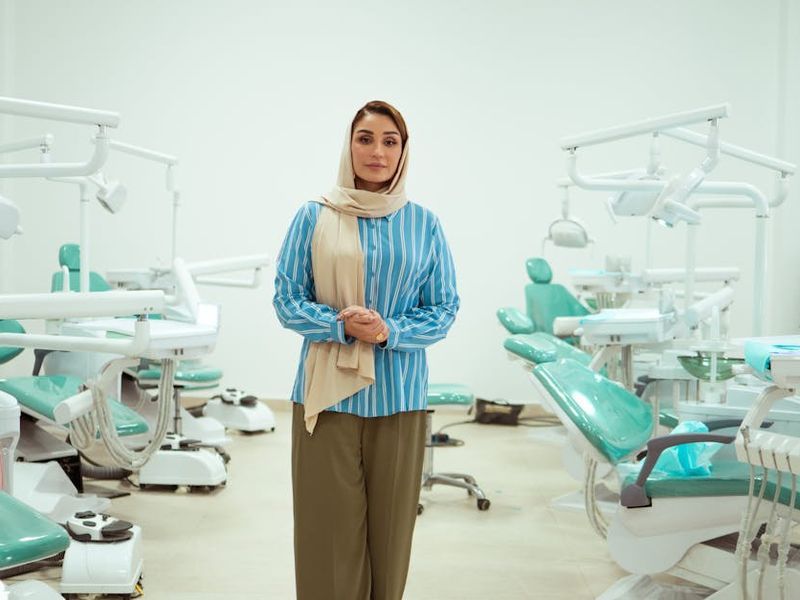
Modern Clinics and Cutting-Edge Technology
One of the most compelling reasons to pick Cuenca is the prevalence of modern clinics outfitted with the latest dental technology. You’ll find:
- CBCT / 3D cone beam imaging for precise implant planning
- Guided implant surgery and CAD/CAM workflows
- Same-day crown milling (CEREC) and zirconia crown fabrication
- Digital smile design and full implant prosthetic planning
- Strict sterilization protocols and modern operatory suites
These technologies increase safety, shorten treatment times, and allow many clinics to produce high-quality crowns and prostheses on-site or with local dental labs.
Short Wait Times and Faster Access to Care
Unlike crowded public systems or overloaded private practices in large North American cities, dental clinics in Cuenca typically offer short appointment windows and quick surgery scheduling. Many clinics can accommodate initial consultations via telehealth before your trip, and then schedule implant placement and prosthetic phases on a tight timeline. For patients who want to minimize time away from home, there are efficient options such as guided implant surgery and immediate-load protocols (including All-on-4 style solutions) that reduce the number of trips needed.
Combine Treatment with a Therapeutic Recovery Vacation
Cuenca’s mild, spring-like climate and pedestrian-friendly historic center create an ideal recovery environment. After surgery, you can recuperate in a quiet boutique hotel or a comfortable furnished apartment within walking distance of Parque Calderón, the Tomebamba River promenades, and charming cafés. Gentle walks, low-impact sightseeing, and calm river views are excellent for healing — and offer a welcome contrast to lying in a sterile hospital bed.
Attractions Perfect for Dental Recovery
- Strolls along the Tomebamba River and the bridges of the historic center
- People-watching and rest in Parque Calderón with its shaded benches
- Easy day trips to Cajas National Park for fresh air and short walks at high elevation
- Shopping for handcrafted jewelry in Chordeleg and textiles in Gualaceo
Personalized, One-on-One Care
Dental tourism in Cuenca often means boutique-style, personalized care. Many clinics pride themselves on one-on-one attention: you’ll meet with the same specialist for consultation, surgery, and restorative phases. English-speaking staff and dedicated patient coordinators are common in practices that serve international patients, making communication and logistics easier. Clinics frequently include airport pickup, accommodation coordination, and post-op checkups to ensure your comfort and confidence.
What Treatments Are Most Popular in Cuenca?
Cuenca handles a full spectrum of cosmetic and restorative dentistry. The most popular procedures among dental tourists include:
- Dental implants (single tooth and multi-tooth implant restorations)
- All-on-4 and all-on-6 immediate-load implant prostheses
- Zirconia and E-max crowns and bridges
- Porcelain veneers and smile makeovers
- Full-mouth rehabilitation combining implants, crowns, and periodontal care
Because clinics are equipped for advanced implant work, complex cases involving bone grafting, sinus lifts, and soft-tissue grafts are also routinely managed.
Typical Timeline: How Many Trips Will You Need?
Treatment length varies by the type of implant procedure and whether immediate loading is clinically appropriate. Here are common timelines:
- Single implant with delayed loading: 2 visits — initial implant placement and a follow-up visit for the crown after 3–4 months healing.
- Immediate-load implants / All-on-4: 1–2 visits — initial surgery with temporary prosthesis, and a second visit 3–6 months later for final prosthetics if needed.
- Complex full-mouth rehabilitation: typically 2–3 visits spaced over 3–9 months for grafting, implant placement, and final restorations.
Many clinics will prepare a patient-specific plan and offer options to reduce trips, such as local provisionalization or on-site lab work that shortens turnaround for the final prosthesis.
How to Choose the Right Clinic in Cuenca
Picking a clinic is the most important decision. Use the following checklist:
- Verify credentials: look for dentists who list university training (Universidad del Azuay, Universidad de Cuenca) and specialty courses in implantology or prosthodontics.
- Ask about technology: confirm they use CBCT scanning, digital planning software, and CAD/CAM milling.
- Request before-and-after photos and patient references, especially from international patients.
- Confirm infection control protocols and sterilization standards.
- Check warranty and follow-up policies: many clinics offer prosthetic guarantees and free short-term follow-ups.
- Discuss anesthesia options and pain management — clinics commonly provide IV sedation, oral sedation, and local anesthesia as needed.
Practical Travel Tips for Dental Patients
Plan carefully to make your trip smooth and predictable. Practical advice for dental tourists to Cuenca includes:
- Book flights to Mariscal La Mar Airport (CUE) in Cuenca. There are daily connections from Quito and Guayaquil; many international travelers fly into Quito or Guayaquil and take a short domestic flight or ground transfer to Cuenca.
- Arrange airport pickup and initial clinic consultation for your first day to reduce stress on arrival.
- Bring copies of dental records and recent X-rays — many clinics can work from digital files sent ahead of time.
- Prepare for altitude: Cuenca sits at about 2,560 meters (8,400 feet). Take it easy on the first 24–48 hours, stay hydrated, and avoid strenuous exertion after surgery.
- Plan accommodation near Parque Calderón or the historic center for convenient access to clinics, pharmacies, and restaurants.
- Tip on meds and prescriptions: most antibiotics and pain meds are available locally, but bring a small supply from home if you prefer known brands.
Language, Communication, and Cultural Comfort
Spanish is the predominant language, but many clinics that serve international patients have English-speaking staff and translators. Before you commit, ask if your dentist speaks English or if the clinic provides a bilingual coordinator. Many expats and senior patients find Cuenca very welcoming — there is an established expat community and a range of services tailored to international visitors.
Safety, Regulations, and Patient Rights
Ecuador maintains clear health regulations and most reputable clinics in Cuenca adhere to international infection control and sterilization standards. Ask for copies of sterilization protocols and inquire whether the clinic uses single-use disposables for surgical implants and critical items. Also request a written treatment plan that includes cost breakdowns, anticipated timelines, and any warranty terms.
Payment, Insurance, and Financing
Many Cuenca clinics accept credit cards, bank transfers, and cash. Because most US and Canadian dental insurance plans offer limited or no international coverage, patients typically pay out-of-pocket and benefit from the large savings. Ask your insurer if they provide partial reimbursement for out-of-country procedures and keep detailed invoices and treatment records for claims. Some clinics partner with third-party financing companies to offer payment plans for international patients.
Aftercare and Follow-Up: What to Expect Once You Return Home
Aftercare is a key part of successful dental tourism. Good Cuenca clinics supply clear written post-op instructions, suture-resorption timelines, and emergency contacts. Many clinics schedule virtual follow-ups and coordinate with your local dentist for any adjustments after you return home. If your implant includes a warranty, make sure the terms are in writing and understand any conditions that could void coverage.
Real Value: Why Cuenca Is the Smart Choice for Implants, Crowns, and Veneers
Choosing Cuenca is about more than lower cost; it’s about exceptional value. You get world-class training, modern clinical and laboratory workflows, and the extra benefit of a tranquil, culturally rich city for recovery. For those needing multiple implants or full-arch reconstructions, the savings can be life-changing — allowing patients to choose higher-end materials (zirconia, E-max) and superior prosthetic designs at a fraction of the price back home.
Checklist Before You Book
- Confirm clinic credentials and technology (CBCT, guided surgery, CAD/CAM).
- Obtain a detailed written treatment plan and cost estimate.
- Arrange initial teleconsultation and send current dental records.
- Plan travel and accommodation; schedule airport transfer and first appointment.
- Review anesthesia, medication, and post-op protocols with the clinic.
- Check warranty, follow-up policies, and virtual follow-up options.
Final Thoughts: A Dental Vacation That Changes Lives
Dental implants and smile restorations are major decisions, and Cuenca offers a compelling mix of affordability, clinical excellence, and restorative vacation appeal. Whether you need a single implant or a full-mouth reconstruction, the city’s highly trained dentists, modern clinics, and welcoming recovery environment make it one of the best places on earth for dental tourism. With careful planning and a reliable clinic partner, your dental vacation to Cuenca can deliver excellent clinical results, huge cost savings, and a truly restorative travel experience.
Ready to explore options? Start with a teleconsultation, compare treatment plans, and imagine recovering in Cuenca’s historic streets while your new smile takes shape.