
Table of Contents
Introduction: Dental Tourism Meets Vacation in Cuenca
If you need major dental work—implants, crowns, veneers—or you simply want to rebuild your smile without breaking the bank, Cuenca, Ecuador should be at the top of your list. This charming Andean city blends world-class dental care with dramatic cost savings, modern clinics, short wait times and a restorative, walkable recovery setting. In short: you can get excellent dental treatment and enjoy a vacation while you heal.
Why Cuenca Is Ideal for Dental Tourism
Dental tourism thrives where excellent medical care, affordability and a welcoming environment intersect—and Cuenca delivers on all three. Here’s why so many North Americans and Europeans are choosing Cuenca for major dentistry:
- Huge cost savings: Expect 60–70% lower prices than the United States and Canada. Procedures that cost thousands at home frequently cost a fraction in Cuenca.
- Highly trained dentists: Many dentists in Cuenca studied at top universities in Latin America, Europe and North America and pursue continuing education, ensuring skills and up-to-date techniques.
- Modern clinics and technology: Cutting-edge imaging (CBCT), intraoral scanners, CAD/CAM milling and sterile protocols are common in reputable clinics.
- Short wait times: Appointments and procedures can often be scheduled quickly—no long local waiting lists.
- Recovery-friendly city: Cuenca’s mild year-round climate, clean air and calm pace make it perfect for post-op healing.
- Vacation opportunities: Explore UNESCO-listed historic streets, nearby national parks and vibrant food markets while recovering.
Real Savings: What 60–70% Lower Costs Look Like
One of the most compelling reasons to travel for dental care is price. To illustrate, compare typical ranges:
- Single dental implant: In the U.S., $3,000–$6,000+; in Cuenca you can often find implants for roughly $900–$2,100.
- Crown: U.S. $800–$2,000; Cuenca $250–$700.
- Porcelain veneers: U.S. $900–$2,500 per tooth; Cuenca $250–$700 per tooth.
Those numbers represent real dollars reclaimed for travel, lodging and extra pampering—plus the peace of mind that comes with top-quality care and attentive dentists.
How to Plan Your Dental Vacation: A Step-by-Step Timeline
Good planning makes dental tourism smooth and stress-free. Here’s a practical timeline so you know what to expect before, during and after your trip to Cuenca.
1–2 Months Before Travel: Research and Virtual Consultations
- Request virtual consultations. Many Cuenca clinics offer video consults where you email photos, X-rays or CBCT scans and receive a treatment plan and cost estimate.
- Compare treatment options, timelines and warranties. Ask about the materials and labs used and whether a clinic provides same-day temporaries or CAD/CAM crowns.
- Check credentials. Look for dentists with university degrees, continuing education records, and positive patient reviews with before-and-after photos.
2–4 Weeks Before Travel: Book Flights, Accommodation and Documents
- Fly into Mariscal Lamar Airport (CUE) in Cuenca. Most international travelers connect through Quito or Guayaquil. Keep layover time in mind if you are flying after a long consult day.
- Reserve lodging near the historic center (El Centro) or the neighborhood closest to your clinic. A comfortable hotel or Airbnb with a kitchen is excellent for recovery.
- Gather travel documents—passport, printed treatment plan, medical history, current medications and insurance info.
Arrival and Pre-Op: Allow Time to Acclimate
Cuenca sits at about 2,560 meters (8,400 ft). Give yourself 24–48 hours to adjust to elevation before major surgery. Use this time for light walking in the Parque Calderón, picking up a local SIM card, and confirming your first appointment.
Procedure Planning: How Long to Stay in Cuenca
Each type of dental work has a different timeline. Clinics in Cuenca will customize a plan, but here are general guidelines:
- Crowns and veneers: Typically 7–10 days. Many clinics use digital impressions and same-week milling for final restorations or excellent temporaries while the final lab work is completed.
- Single implants: If staged (implant then healing then crown) you may need an initial 7–10 day visit and a follow-up 3–6 months later. If the clinic offers immediate-load implants, some cases can be completed in 10–14 days with provisional teeth and a later permanent prosthesis.
- Full-mouth implants / All-on-4: Packages often run 10–14 days for surgery and immediate provisionalization, with follow-ups as required. Final prostheses are typically placed after healing.
Choosing the Right Clinic in Cuenca
Not all clinics are identical. Use these criteria to choose a provider that prioritizes safety, results and an excellent patient experience:
- Look for clinics with digital imaging (CBCT), sterilization certificates and modern sterilizing equipment.
- Ask whether dentists are trained internationally or hold advanced certifications in implantology or prosthetics.
- Request before-and-after photos, references, and patient testimonials—especially from international patients.
- Confirm the lab that fabricates crowns and veneers and the brands of implants and materials used. High-quality titanium implants and porcelain/zirconia restorations are common in reputable clinics.
- Ensure bilingual staff or a translator is available for pre-op and post-op conversations and tele-dentistry follow-ups.
What to Pack and Practical Pre-Op Tips
Pack thoughtfully for a comfortable recovery and smoother appointments:
- Copies of medical and dental history, recent X-rays and medications.
- Comfortable clothes, a reusable water bottle, soft-food-friendly utensils and a small cooler bag if you like to keep smoothies cool.
- Over-the-counter pain meds, although your dentist will prescribe what you need. Bring any regular medications in their original bottles.
- Travel insurance that covers dental procedures or specific dental tourism coverage, if desired.
Recovery in Cuenca: A City Built for Healing
Cuenca’s climate is gentle—spring-like year-round—making it ideal for convalescence. Here’s how the city supports a restful recovery:
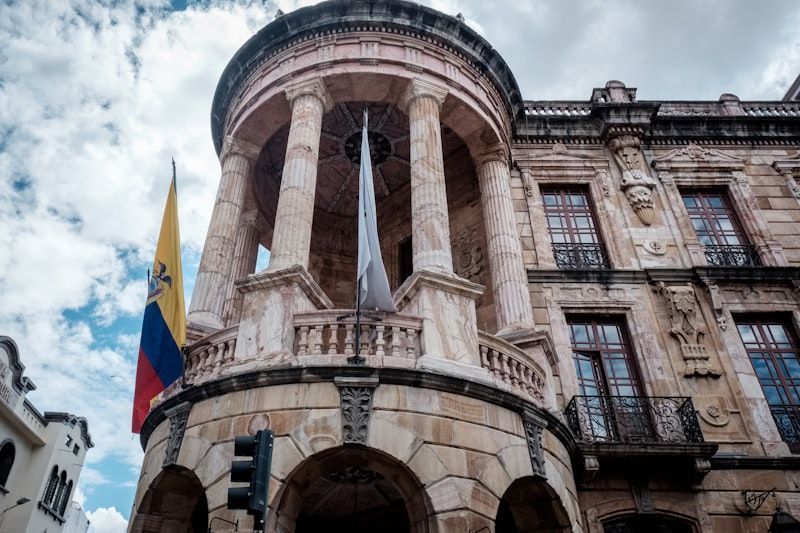
- Short walks and accessible plazas: The UNESCO-listed historic core is compact and mostly walkable, perfect for gentle strolls that boost circulation without strain.
- Quiet neighborhoods: Stay in a quieter part of the city to avoid loud traffic during healing days.
- Fresh local food: Markets and small restaurants offer nutritious soups, rice, fruits and soft traditional dishes like llapingachos and soups that are easy to eat post-op.
- Low stress and safety: Cuenca is known for its relaxed pace and large expat community—factors that make recovery comfortable and socially reassuring.
Follow-Up Care: Tele-Dentistry and Local Support
Reputable clinics provide clear postoperative instructions and telehealth check-ins. Many dentists in Cuenca offer remote follow-ups via video call and coordinate with your local dentist at home for long-term maintenance. Keep these points in mind:
- Get a written post-op plan and emergency contact numbers before you leave Cuenca.
- Ask whether the clinic will coordinate with a dentist in your hometown for maintenance and final prosthetic adjustments.
- Plan for a local check-up at home 3–6 months after implant surgery, or whenever the Cuenca clinic advises.
Combining Your Dental Trip with a Memorable Vacation
One of the great advantages of dental tourism in Cuenca is that you can pair clinical appointments with meaningful travel experiences tailored to recovery:
- Stroll the Plaza Calderón and admire the cathedral towers without climbing steep hills right after surgery.
- Visit Cajas National Park for a gentle day trip—choose easy trails to avoid overexertion while you heal.
- Explore artisan markets and small museums in the historic center; many shops are accessible and low-impact.
- Enjoy mild outdoor cafés for people-watching and light meals while you rest between appointments.
Safety, Language and Money: Practical Local Info
Understanding local logistics will help you travel confidently:
- Language: Spanish is the primary language; many clinics catering to international patients have bilingual staff, but bringing a translator app or small phrasebook is helpful.
- Currency: Ecuador uses the U.S. dollar, which simplifies budgeting and eliminates exchange hassles.
- Payments: Clinics often accept international credit cards, bank transfers and cash. Confirm payment methods with your clinic in advance.
- Safety: Cuenca is considered one of Ecuador’s safest cities, with a sizable expat community and tourist-friendly services.
How to Maximize Value Without Sacrificing Quality
Affordability shouldn’t mean cutting corners. Use these tips to get the best value for your money:
- Compare detailed treatment plans, not just prices. Cheaper quotes that omit lab fees or temporary prosthetics can cost more overall.
- Prioritize dentists who use reputable implant brands and modern lab work—good materials matter for long-term success.
- Ask about guarantees, warranties and maintenance policies to make sure you’re covered for adjustments.
- Factor in a follow-up plan: sometimes spending a bit more on a clinic with strong aftercare saves money and headaches later.
Final Checklist Before Booking Your Trip
- Obtain a written treatment plan, timeline and cost estimate.
- Confirm the clinic’s sterilization and imaging capabilities (CBCT, digital X-rays, intraoral scanning).
- Arrange lodging close to the clinic and plan light activities for recovery days.
- Bring printed medical records and ensure you have enough medication for your stay.
- Schedule virtual follow-ups if you’ll return home before the final prosthesis is placed.
Conclusion: Cuenca Offers Exceptional Value and Care
Choosing Cuenca for major dental work can transform a necessary medical expense into a restorative experience. The combination of 60–70% cost savings, highly trained dentists, modern clinics with advanced technology, short wait times and an unbeatable recovery environment makes Cuenca one of the world’s smartest dental tourism destinations. With careful planning—virtual consults, clear treatment plans and sensible recovery time—you can return home with a beautiful new smile and memories of a calm, culturally rich city that supported your healing every step of the way.
Ready to investigate? Start by collecting digital X-rays, booking a few virtual consultations with Cuenca clinics and comparing comprehensive treatment plans. With the right preparation, your dental vacation to Cuenca can be a life-changing investment in your smile and your well-being.