
Table of Contents
ts. This guide offers practical strategies to help you adjust without missing out on the city’s charm. Expect to trade speed for presence, and you’ll find Cuenca rewarding in ways a fast-paced life rarely offers.
Start Small: Daily Routines that Match Local Life
One of the simplest ways to feel at home in Cuenca is to adapt your day-to-day schedule. Begin with a slow, local-style morning: stroll to a neighborhood café for a café con leche and a pastry, then walk along the Tomebamba River or through the Parque Calderón in the historic center.
Learn the rhythm of the market nearby. Many neighborhoods still rely on morning markets for fresh vegetables, fruit, and meat. By shopping in the morning you’ll get to know vendors, discover seasonal produce, and enjoy the social side of food buying—an important piece of feeling rooted in the community.
Embrace the Menu del Día
Eating out becomes a social ritual in Cuenca. Try a local comedor or small restaurant’s menu del día—an affordable, filling lunch set that often includes soup, a main dish, sides, and juice. These meals provide a predictable, inexpensive way to eat well and practice Spanish with friendly servers.
Practical Clothing and Health Tips for the Highland Climate
At 2,500 meters, the sun is strong even when the air feels cool. Layers are your friend: lightweight long sleeves for sun protection, a warm jacket for evenings, and a compact umbrella for sudden showers. Quality walking shoes make sense—much of Cuenca’s charm is best enjoyed on foot, from the cobbled streets of the Centro Histórico to the riverside promenades.
Hydration and sun protection are important. The altitude can dehydrate you more quickly; carry a water bottle and use high-SPF sunscreen on sunny days. Most newcomers acclimatize quickly to the elevation but take it easy the first few days if you feel slightly short of breath during climbs.
Getting Around: Move Like a Local
Cuenca is compact and pedestrian-friendly. Many expats find they need a car less than expected. Taxis are plentiful and inexpensive; agree on the approximate fare or ensure the driver uses the meter. The municipal bus system covers most routes and is a budget-friendly option, though it can be slower than a taxi.
If you plan to drive, practice your route during off-peak hours. Road rules can feel more relaxed than in some countries, so drive defensively. Bike lanes and walkable streets make cycling a pleasant way to explore, but be mindful on busier roads.
Where to Live: Neighborhood Choices for Different Lifestyles
The Centro Histórico is ideal if you crave daily access to plazas, churches, museums, cafés, and the bustle of cultural life. Expect cobbled streets and historic architecture, but also street noise and tourism during peak seasons. For a quieter feel, neighborhoods along the Tomebamba or on the city’s periphery offer green spaces and more residential calm.
Consider proximity to healthcare, groceries, and public transportation when choosing a neighborhood. Many expats prefer a compromise—close enough to the Centro for social life but tucked into a quieter street for nightly rest.
Rent and Cost Expectations
Cost of living in Cuenca is generally lower than in North America or Europe, but prices vary widely by location and amenities. You’ll find modest local apartments at lower prices and modern condos with elevators, 24-hour security, and reliable internet at higher rates. Budget intentionally, and visit multiple properties before committing.
Learn Spanish, but Don’t Panic Over Fluency
Spanish opens doors in Cuenca—from deeper social connections to smoother bureaucratic interactions. Join a neighborhood language exchange, hire a tutor for a few months, or enroll in a small language school. Even basic phrases will be appreciated and can transform casual conversations into friendships.
That said, Cuenca has a growing international community and you’ll find English speakers in many sectors—real estate, healthcare, and some restaurants. Use this as a bridge while steadily improving your Spanish; locals admire the effort more than perfection.
Dealing with Bureaucracy: Patience and Preparation Pay Off
Official processes—residency paperwork, utility setups, or vehicle registration—often move at a different tempo than what newcomers are used to. Appointments may run late and documents may be requested more than once. Bring copies of everything, be polite, and expect to wait. Hiring a local gestor or immigration lawyer for complex procedures can save time and frustration.
Keep organized digital and physical folders for important documents: passport, copies of legal paperwork, health insurance cards, and rental contracts. Make a checklist for each administrative task so nothing gets overlooked during repeated visits.
Healthcare and Safety: What Newcomers Should Know
Cuenca offers a range of healthcare options: public hospitals and private clinics with bilingual staff are accessible in the city. Expats commonly use private clinics for faster service and broader English availability, though public hospitals serve large populations and high-quality specialists.
Overall, Cuenca is considered safer than many larger cities, but petty theft can happen—especially in crowded tourist areas. Basic precautions are wise: avoid flashy jewelry, use secure bags, and be cautious after dark in unfamiliar neighborhoods. Registering with your embassy and keeping emergency contacts handy is a sound practice for peace of mind.
Social Life: How to Meet People and Build a Community
Meeting people in Cuenca happens organically—parks, cafés, language schools, and volunteer organizations are fertile ground. Weekly rituals like walking the river at sunset, attending a local market, or joining a dance class lead to repeated interactions that build friendships.
Look for community bulletin boards in cafés, social groups on Facebook, and local expat meetups. Many neighborhoods have clubs for hiking, photography, and book discussions. Volunteering locally is a powerful way to connect with Ecuadorians and other expats while contributing meaningfully.
Enjoy the Culture: Local Activities to Slow Down With
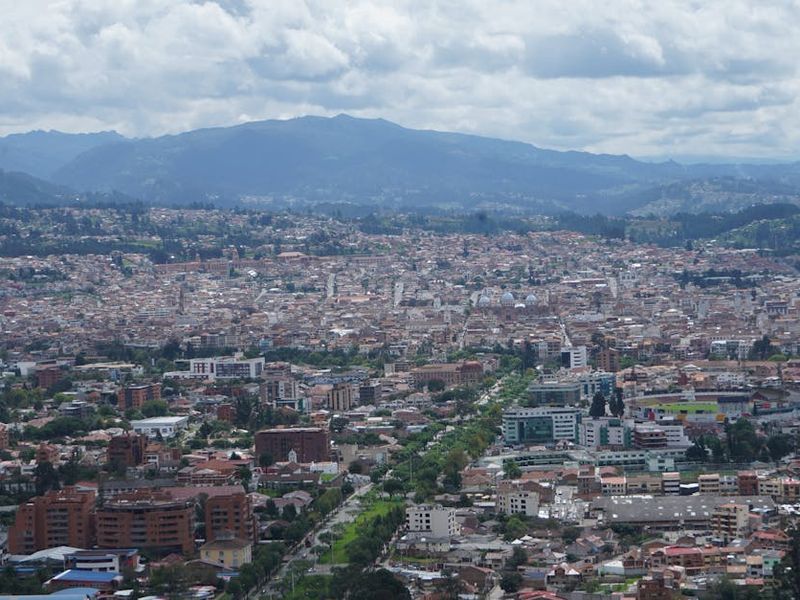
Make time for cultural habits that reinforce the slower pace: linger over coffee, savor a long lunch with friends, and attend concerts, art exhibits, or small theater performances. Visit Pumapungo to explore archaeological sites and ethnographic displays, and head up to the Turi viewpoint for sweeping panoramas of the city—great for clearing your mind and remembering why you chose Cuenca.
Don’t rush sightseeing. Instead of packing every weekend with tours, build a list of places to return to slowly—cafés to try, walking routes, artisan shops selling Panama hats and leather goods, and quiet plazas that change with the seasons.
Practical Money Tips: Banking, Cash, and Everyday Expenses
Banks, ATMs, and international money-transfer services are available in Cuenca. Many day-to-day purchases are still done in cash, especially at markets and small stores, so keep a mix of local cash and cards. Tipping practices are modest compared to North America; a few percent or rounding up is common for good service.
Learn the local pricing norms—menu del día, taxi rides, and grocery costs—so you can spot unusual charges. If you plan to stay long-term, opening a local bank account simplifies rent payments and bill pay, though requirements vary by bank and residency status.
Handling Homesickness: Rituals to Reconnect
Even in a beautiful city like Cuenca, homesickness can arrive. Create routines that remind you of home while allowing new traditions to form. Regular video calls with loved ones, a small gathering of friends for a potluck, or maintaining a hobby you loved back home can steady your mood. At the same time, schedule weekly outings to explore something new—an art gallery, a bakery you haven’t tried yet, or a hiking trail outside the city.
Balance preservation and exploration. Keep what comforts you and let new customs gently replace those you no longer need.
Final Thoughts: Patience, Curiosity, and Small Rituals
Adapting to Cuenca’s relaxed lifestyle is less about mimicking local habits perfectly and more about shifting expectations. Swap instant gratification for patient curiosity; trade carefully scheduled certainty for the delight of something unplanned. The rewards of this approach are many: calmer days, deeper social bonds, and a richer appreciation for daily life.
Be intentional with your routines, protect your health and safety with sensible habits, and keep learning—both Spanish and the rhythms of your neighborhood. Over time you’ll find the city’s quiet cadence becomes not just tolerable but the architecture of a more balanced life.
- Tip: Start each day with a walk along the Tomebamba—small rituals anchor you faster than big changes.
- Tip: Learn 20 practical Spanish phrases immediately—restaurants, taxis, and markets will appreciate it.
- Tip: Carry layered clothing and sunblock; the highland sun is strong and evenings are cool.
- Tip: Join one local group in your first month—a language exchange, dance class, or volunteer project—to accelerate belonging.