
Table of Contents
Why regular dental check-ups matter, especially in Cuenca
Regular dental check-ups are more than a cosmetic routine — they are a key part of preserving your overall health. In Cuenca, where the highland climate, diet changes, and an active expat community all influence oral health, scheduling consistent dental visits helps catch cavities, gum disease, and other problems early when treatment is simpler and less costly.
How often should you have a dental check-up?
The traditional recommendation is a dental exam and professional cleaning every six months. However, the ideal schedule depends on your personal risk factors:
- Low-risk adults: every 6–12 months.
- People with a history of cavities or gum disease: every 3–6 months.
- Smokers, diabetics, or those with dry mouth from medications: closer monitoring, often every 3–4 months.
- Children and teens: visits every 4–6 months may be advised while teeth are erupting.
Dentists in Cuenca will tailor recommendations based on a periodontal assessment, X-rays, and your oral hygiene habits. If you’re new to town, plan an initial comprehensive exam and cleaning to set a baseline.
What happens during a typical check-up in Cuenca?
A standard visit usually includes:
- A review of your medical history (important for medication interactions and infection risks).
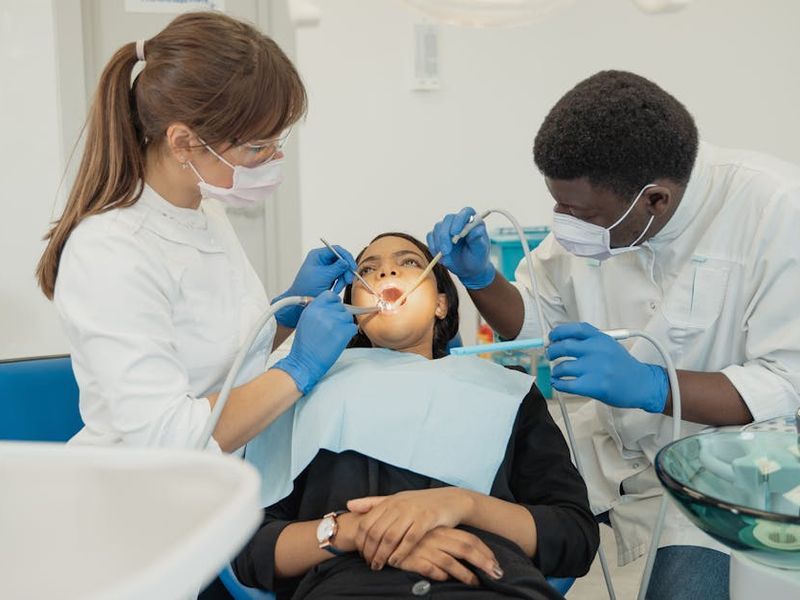
- Clinical exam of teeth, gums, bite, and soft tissues.
- Professional cleaning (tartar removal and polishing).
- Digital X-rays if needed to view cavities between teeth or bone loss.
- A personalized plan: preventive tips, fillings, or specialist referrals.
Certain clinics in Cuenca offer digital records and intraoral photography so you can see problem areas and track progress over time.
Common dental services you’ll find in Cuenca
Cuenca has a range of dental services suited for routine care and more advanced procedures. Typical offerings include:
- Hygiene and prophylaxis (limpieza, profilaxis)
- Composite fillings (empastes)
- Root canal treatment (endodoncia)
- Crowns and bridges (coronas y puentes)
- Dental implants (implantes dentales)
- Orthodontics (brackets, aligners)
- Periodontal therapy for gum disease
- Cosmetic treatments like whitening and veneers
Many private clinics in central Cuenca and near expat neighborhoods provide modern equipment like digital X-rays and implant planning software.
Costs and budgeting: what to expect in Cuenca
Prices in Cuenca are generally lower than in North America or Europe, but they vary by clinic, materials, and clinician experience. Approximate ranges (USD) you might see are:
- Routine cleaning: $25–$60
- Composite filling: $40–$120
- Root canal (depending on tooth): $150–$450
- Crown (porcelain-fused-to-metal or ceramic): $200–$500
- Single dental implant (implant + abutment + crown): $800–$1,500
These are ballpark figures — always request a written estimate and ask what materials and warranties are included. Many clinics accept cash, card, and bank transfers; some offer payment plans for larger restorative work.
Choosing the right dentist in Cuenca
Finding a trustworthy dentist is crucial. Use these practical steps:
- Read online reviews and expat community recommendations (Facebook groups and local forums are active).
- Ask for credentials and whether the dentist has additional training (endodontics, periodontics, prosthodontics).
- Check the clinic for hygiene standards: visible autoclaves, sealed instrument packaging, and single-use items for needles and gloves.
- Request to see before-and-after photos of similar cases.
- Confirm communication options — many clinics have English-speaking staff, but bring a Spanish-speaking friend or use translation apps if needed.
Neighborhoods with many clinics include the historic Centro (around Parque Calderón), Avenida de las Americas, and areas near the University. Consider proximity to public transport if you’ll need follow-up visits.
Expat considerations: language, insurance, and records
As an expat in Cuenca you should take a few extra steps to make dental care smooth:
- Bring previous dental records and X-rays if possible — they save time and avoid unnecessary repeat imaging.
- Check whether your medical or travel insurance covers dental emergencies. Many standard plans exclude routine dentistry but cover accident-related care.
- Some international expat health plans include dental riders; compare local clinic rates vs. using insurance to see what gives better value.
- Learn key dental terms in Spanish (limpieza, empaste, endodoncia, corona, implante) or have a translation list ready.
Local expat clubs and Facebook groups often post clinic recommendations and typical price ranges for common procedures — a good resource when you’re new to the city.
Emergency dental care in Cuenca: what to do and where to go
Dental emergencies can happen at any time. Common issues for newcomers include sudden pain from untreated cavities, lost fillings, or trauma from falls. Here’s how to handle them:
- Contact your dentist immediately — many clinics offer emergency slots or will refer you to an on-call practitioner.
- For severe trauma (heavy bleeding, facial swelling, suspected jaw fracture) go to a hospital emergency department. Cuenca’s main hospitals can handle urgent dental trauma.
- Over-the-counter pain relief (acetaminophen or ibuprofen) and cold compresses can help while you wait — avoid aspirin if significant bleeding is present.
- Keep a small dental emergency kit at home: temporary filling material (available at pharmacies), gauze, and emergency contact numbers for your dentist.
Pharmacies in Cuenca are widespread and can supply antibiotics and painkillers with a prescription. Many dental clinics will phone-in prescriptions after an exam.
Prevention-focused tips: everyday habits that protect your teeth
Prevention is the most cost-effective approach. Combine professional care with these daily habits:
- Brush twice daily for two minutes with a fluoride toothpaste.
- Floss daily or use interdental brushes — crucial for preventing gum disease.
- Limit sugary drinks and snacks; be mindful of local favorites that are high in sugar.
- Consider fluoride rinses if your water supply is not fluoridated, or ask your dentist about topical fluoride treatments.
- Replace your toothbrush every 3 months or after an illness.
Also be aware that the highland climate and certain medications can cause dry mouth, which increases the risk of decay. Stay hydrated, chew sugar-free gum to stimulate saliva, and discuss saliva substitutes with your dentist if needed.
When more advanced care is needed: implants, crowns, and specialist referrals
If your check-up reveals the need for more complex treatment, Cuenca clinics can often handle many restorative and cosmetic procedures. For specialized care — such as complex implant reconstruction, advanced periodontal surgery, or full-mouth rehabilitation — your dentist may refer you to a specialist within the city or to larger hospitals in Quito or Guayaquil, depending on the case.
Before committing to major work, consider:
- Getting a second opinion if the recommended treatment is extensive.
- Asking for a staged treatment plan that allows incremental payments and healing time.
- Confirming the type and origin of materials (e.g., ceramic brands for crowns).
Tips for seniors and families in Cuenca
Seniors and families have special oral healthcare needs. For older adults, medication-related dry mouth, root exposures, and denture maintenance are common concerns. Ask your dentist about regular denture checks and soft-tissue exams to watch for oral lesions.
For families with children, early dental visits help prevent childhood cavities. Many pediatric dentists in Cuenca provide child-friendly clinics and preventative programs like sealants.
Making your dental care routine work in Cuenca
To get the most from your dental care while living in Cuenca:
- Schedule your next appointment before you leave the clinic — easier than trying to rebook later.
- Keep an organized file of dental records and photographs (ask clinics for digital copies).
- Join local expat groups to learn which dentists match your needs and language preference.
- Stay proactive: small problems found early mean less invasive and less expensive treatment.
Regular dental check-ups in Cuenca are accessible and affordable relative to many countries, and the city has many qualified professionals who understand expat needs. With routine prevention, good daily habits, and a trusted local dentist, you can enjoy a healthy smile throughout your time in this beautiful highland city.
Quick checklist before your first visit:
- Bring any recent dental X-rays and a list of medications.
- Have your ID and insurance details ready.
- Prepare questions about sterilization, materials, and follow-up care.
- Get a written estimate for any recommended work.
Visiting the dentist regularly is one of the best investments you can make in your health while living in Cuenca. Whether you need a routine cleaning or a more complex restoration, the right local care will keep your smile healthy and reduce surprises down the road.