
Table of Contents
Why regular dental check-ups are essential — even in Cuenca
Regular dental check-ups do far more than keep your smile bright. They catch small problems before they become painful, protect your overall health, and save money over time. For expats living in Cuenca, staying on top of dental care also reduces the stress of dealing with emergencies far from home and helps you navigate Ecuador’s public and private healthcare options.
How oral health affects your whole body
It’s easy to think of dental visits as cosmetic or optional, but poor oral health is linked to systemic issues such as cardiovascular disease, diabetes complications, pregnancy problems, and respiratory infections. Dentists screen for signs of these conditions (bleeding gums, persistent inflammation, unusual lesions), so a twice-yearly exam can be an important part of preventative healthcare — especially if you have chronic conditions or are on medication.
When should you visit the dentist? Practical timing guidelines
How often you should go depends on your oral health, age and medical background. Use these general rules as a starting point:
- Healthy adults: Every 6–12 months for exam and professional cleaning.
- People with gum disease or high cavity risk: Every 3–4 months, or as recommended by your dentist.
- Children: First visit by the first birthday or when the first tooth erupts; then every 6 months if possible.
- Seniors: Every 4–6 months. Dentures and dry mouth (xerostomia) from medications require closer attention.
- Pregnant women: One dental visit during pregnancy (preferably in the second trimester) and more if there are issues — dental treatment is safe and important during pregnancy.
- After dental emergencies: See a dentist immediately if you have severe pain, swelling, a knocked-out tooth, or persistent bleeding.
What happens during a typical dental check-up in Cuenca?
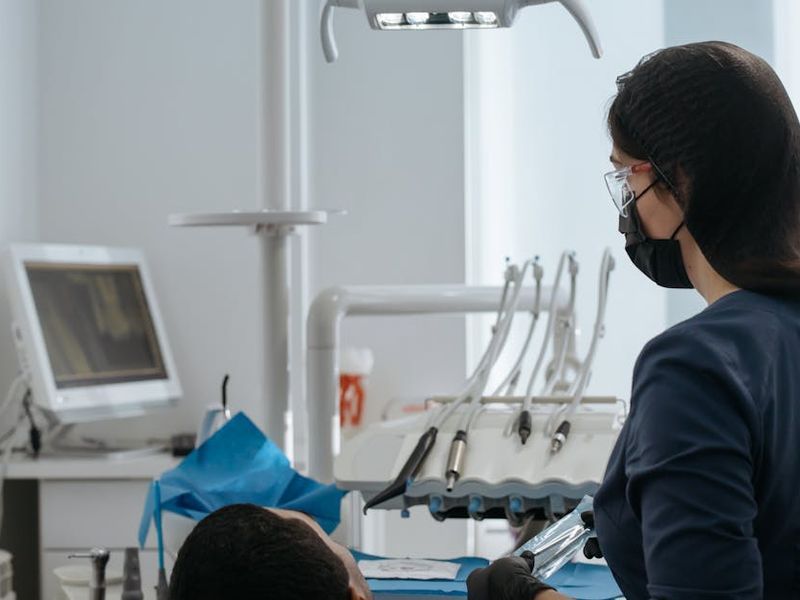
A standard visit usually includes a review of your medical history, an oral exam, professional cleaning (scaling and polishing), and sometimes X-rays. Experienced clinics will discuss your home care routine and offer a preventive plan tailored to you — fluoride treatments, sealants for children, or more frequent cleanings if you have sensitivity or gum disease.
If the dentist finds decay or other issues, they’ll explain options with cost estimates and timelines. In Cuenca many clinics provide digital X-rays and intraoral photos so you can see what the dentist sees, which helps when making decisions about restorative or cosmetic work.
Choosing between public and private dental care in Cuenca
Cuenca offers a mix of public, private and university-affiliated dental services. Each has pros and cons:
- IESS (public): If you contribute to Ecuador’s social security (IESS), you have access to dental services at low or no cost. Wait times can be longer and coverage may be limited for complex procedures.
- Private clinics: Often faster, with modern equipment and English-speaking staff. They’re concentrated in El Centro, near Parque Calderón, and along major avenues like Av. Ordóñez Lasso and Av. Remigio Crespo. Expect higher prices but shorter waits and more scheduling flexibility.
- University clinics: Dental schools sometimes offer lower-cost care performed by supervised students. This can be a budget-friendly option for routine work but may take longer.
Many expats mix and match: use IESS or university clinics for basic care and a private clinic for complex treatments like implants or cosmetic crowns.
Typical costs in Cuenca (approximate ranges)
Costs in Cuenca are generally lower than in North America and Europe, but prices vary by clinic and materials. These ranges are approximate as of 2024 and intended to help you budget:
- Dental cleaning (profilaxis): $20–$60
- Filling (composite): $30–$80
- Simple extraction: $30–$80; surgical extraction higher
- Root canal: $150–$450 (depending on tooth and complexity)
- Porcelain crown: $250–$700 (depending on material)
- Dental implant (including crown): $900–$2,500
Always request a written estimate that breaks down lab fees, materials and follow-up visits. If a price seems unusually low, ask about the materials and warranties.
Finding the right dentist in Cuenca — practical tips
Use these steps to find a dentist who fits your needs:
- Ask fellow expats: Join Cuenca expat Facebook groups and forums. Members often share recent experiences and dentist recommendations.
- Check credentials: Look for dentists registered with Ecuador’s health authorities and ask if they have postgraduate training in areas like endodontics or implantology.
- Inspect the office: Cleanliness, modern equipment (digital X-rays), and visible sterilization practices (autoclave) are good signs.
- Language and communication: If you’re not fluent in Spanish, find a dental team with English speakers or bring a trusted translator. Clear communication is crucial for treatment plans and informed consent.
- Read reviews and ask for photos: Patient reviews and before/after photos for cosmetic work are helpful. Ask to see a portfolio of cases similar to yours.
Dental emergencies — what to do in Cuenca
Tooth pain, swelling, or a knocked-out tooth can happen at any time. Here’s what to do immediately:
- Severe pain or swelling: Contact your dentist immediately; many private clinics offer emergency slots. If swelling is large or accompanied by fever, head to emergency services — infections can spread quickly.
- Knocked-out tooth: If it’s a permanent tooth, handle by the crown (not the root), rinse gently, and try to reinsert it if possible. Keep the tooth in milk or saliva and see a dentist within an hour for the best chance of saving it.
- Broken tooth: Save the fragments and rinse your mouth; see a dentist right away to reduce the need for extensive treatment later.
IESS has emergency dental services, but private clinics are faster for urgent care. Keep a list of emergency numbers and a local contact who speaks both English and Spanish if you’re uncomfortable with the language.
Insurance, payment options and how expats manage major dental work
Dental coverage through IESS is limited to contributors and certain pensioners, and it may not cover implants or cosmetic work. Many expats rely on a combination of:
- Private dental insurance (international or local plans)
- Self-pay for elective procedures
- Financing plans offered by clinics (ask about interest and repayment terms)
If you’re planning major restoration or implant work, get a detailed treatment timeline. Implants often require multiple visits months apart, so plan follow-up care locally or coordinate with a trusted dentist back home.
Prevention: daily habits that save money and pain
Prevention is the best investment. Try these practical, locally relevant tips to lower your risk of cavities and gum disease:
- Brush twice daily with fluoride toothpaste and a soft-bristle brush.
- Floss daily — consider a water flosser if you have bridges or implants.
- Limit sugary snacks and fruit juices; traditional Ecuadorian sweets are delicious but can be high in sugar.
- Drink water after acidic or sweet foods; Cuenca tap water is generally treated in the city center, but many residents prefer filtered water.
- Use a tongue scraper to reduce bacteria that cause bad breath.
- Chew sugar-free gum after meals to boost saliva and help neutralize acid.
Dental care for kids and seniors — special considerations
Children need early dental attention and preventive care like sealants; pediatric dentists can also advise on pacifier or thumb-sucking habits. Seniors often face dry mouth due to medications, receding gums and denture maintenance. Schedule check-ups at least every 6 months and discuss any medication side effects with both your physician and dentist.
How to prepare for your first dental visit in Cuenca
Make the first visit smooth with these steps:
- Bring ID, any insurance cards, a list of medications, and your dental history or recent X-rays if you have them.
- Prepare a short list of symptoms and your dental goals (e.g., routine care, whitening, replace missing teeth).
- Ask about available languages, payment options, and infection-control protocols.
- Request a written treatment plan and estimate before committing to major procedures.
Helpful Spanish phrases for dental visits
Basic phrases can help if you don’t have an English-speaking dentist. Pronunciations are approximate:
- “Tengo dolor de muela.” (TEHN-go DOH-lor deh MWEH-lah) — I have a toothache.
- “Me sangran las encías.” (meh SAHN-gran las en-SEE-ahs) — My gums bleed.
- “Necesito una limpieza.” (neh-seh-SEE-toh OO-nah lim-PEE-ehn-sah) — I need a cleaning.
- “¿Hay anestesia local?” (eye ah-nes-TEH-see-ah loh-KAHL) — Is there local anesthesia?
- “¿Cuánto cuesta?” (KWAHN-toh KWEHS-tah) — How much does it cost?
Final checklist: make dental care part of your Cuenca life
Regular dental check-ups are a simple step with big benefits: they protect your smile, improve overall health, reduce long-term costs and make living abroad less stressful. To keep dental care manageable while enjoying Cuenca’s lifestyle:
- Book a routine check-up every 6–12 months.
- Identify a local dentist you trust (keep contact info handy).
- Budget for preventive care and maintain good home hygiene.
- Know where to go for emergencies and have a Spanish phrase list ready.
- Use expat networks to find recent recommendations and price guidance.
With the right plan, dental care in Cuenca can be convenient, high-quality and affordable. Make your next step today: schedule that check-up and enjoy greater peace of mind knowing your oral health is looked after while you explore this beautiful city.