
Table of Contents
Why dental check-ups matter — more than a clean smile
Routine dental visits are about much more than a bright smile. Regular check-ups catch small issues before they become painful, expensive procedures. For expats living in Cuenca, good dental care protects not only oral health but also overall wellbeing — from preventing infections that can affect chronic conditions to avoiding complications that interfere with travel plans or work.
How often should you go to the dentist?
The standard recommendation is a dental exam and professional cleaning every six months. That frequency works for many people, but it isn’t one-size-fits-all. Your dentist in Cuenca may suggest more frequent visits if you have:
- Gum disease or a history of periodontitis
- Multiple restorations, crowns, or implants
- Diabetes, heart conditions, or a weakened immune system
- Dry mouth (xerostomia), heavy coffee or tobacco use, or a high-sugar diet
Young children, pregnant women, seniors with dentures, and people undergoing orthodontic work often need tailored schedules — sometimes every 3–4 months.
What happens during a check-up in Cuenca?
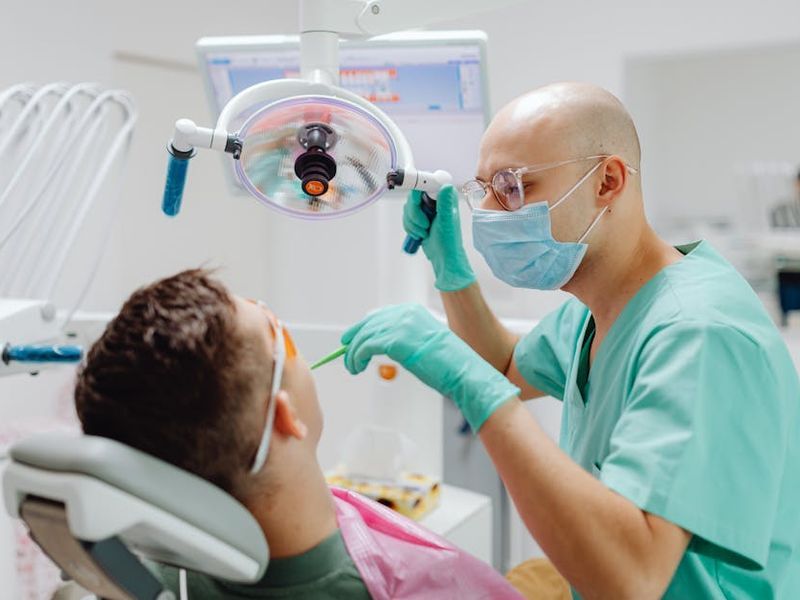
A standard appointment in a private clinic usually includes:
- A visual exam of teeth, gums, and soft tissues
- Professional cleaning (scaling and polishing) to remove plaque and tartar
- Digital or traditional X-rays if needed to detect cavities between teeth or under restorations
- A discussion of oral hygiene, diet, and preventative measures
- A treatment plan or estimate if repairs are necessary
Many modern clinics in Cuenca use digital X-rays and intraoral cameras so you can see what the dentist sees — helpful if your Spanish is limited or if you want to compare photos over time.
Signs you should see a dentist right away
Not all dental problems wait for a scheduled appointment. Make an urgent appointment if you notice:
- Persistent tooth pain or sharp, shooting pain when biting
- Swelling in the face, jaw, or under the tongue
- Continuous bleeding that won’t stop after gentle pressure
- Loose teeth, a cracked tooth, or a broken filling
- Fever with oral pain or a foul-tasting discharge
Cuenca has private dentists who take emergency cases; expat groups often post trusted emergency contacts. If you’re unsure, call your clinic — many dentists will advise you over the phone and arrange next steps.
Why Cuenca is a smart place for dental care (and what to watch for)
Cuenca is a popular destination for retirees and long-term expats. Many dentists trained at local universities (such as Universidad del Azuay and Universidad de Cuenca) and offer a high standard of care comparable to North American or European clinics. Advantages include lower prices and a wide range of services — from routine cleanings to implants and cosmetic dentistry.
That said, quality varies. Private clinics range from small neighborhood practices to fully equipped dental centers. Ask questions about sterilization protocols, technology (digital X-rays, CBCT for implants), and whether the dentist is a specialist (endodontist, periodontist, prosthodontist) if you need advanced care.
Estimating costs in Cuenca — what to expect
Dental care in Ecuador is generally more affordable than in the U.S. or Canada, but prices depend on the clinic, materials, and the expertise of the dentist. As a rough guide — always get written estimates and second opinions when in doubt:
- Routine cleaning and exam: typically modestly priced, often much lower than in North America
- Fillings: affordable, depending on material (amalgam vs composite)
- Crowns and bridges: substantially lower than the U.S., but quality materials and lab work may increase cost
- Implants: often a significant saving compared with North America, but expect multi-visit and multi-month treatment plans
Request itemized quotes and ask whether restorations use international materials and provide warranties. Many clinics offer payment plans or accept major credit cards — confirm policies in advance.
Choosing the right dentist in Cuenca: a practical checklist
Finding a dentist that meets your needs is easier if you look for these attributes:
- Credentials and continuing education: ask where the dentist trained and whether they attend international courses
- Language compatibility: many dentists speak at least conversational English, but bring a friend or translator if needed
- Clear pricing and written treatment plans
- Modern equipment: digital X-rays, sterilization autoclaves, and up-to-date dental units
- Before-and-after photos of previous work (especially for cosmetic or implant dentistry)
- Good reviews from expat forums and local referrals
Visit a clinic for a short consultation before committing to major treatment. Most dentists are happy to explain procedures, timelines, and expected outcomes.
Navigating language and cultural differences
Spanish is the primary language in Cuenca, so language can be a barrier for some expats. Tips to ease communication:
- Look for clinics that advertise English-speaking staff or check expat community recommendations
- Bring a list of symptoms and dental history in Spanish — many clinics will appreciate written information
- Use translation apps for quick vocabulary (e.g., “limpieza” = cleaning, “endodoncia” = root canal, “implante” = implant)
- Ask for consent forms and treatment plans in writing before procedures
Prevention strategies for Cuenca living
Small daily habits make a big difference — especially if you enjoy local cuisine and sweets. Cuenca’s high altitude and dry climate can contribute to dehydration and dry mouth, which increases cavity risk. Practical prevention tips:
- Brush twice daily with fluoride toothpaste and replace your toothbrush every 3 months
- Floss once daily; consider interdental brushes if you have bridges or wide gaps
- Stay hydrated — dry mouth encourages bacteria; sugar-free gum with xylitol after meals helps stimulate saliva
- Limit sticky sweets and frequent sipping of sugary drinks; enjoy local treats in moderation
- Use an antimicrobial mouthwash if recommended by your dentist
Special considerations for expats and retirees
Expats tend to fall into two groups: those who need ongoing complex care (implants, crowns, dentures) and those who seek affordable routine care. If you’re planning major dental work, keep these points in mind:
- Timing: implants and full restorations often require several months. Schedule treatments to allow for follow-up and healing before traveling.
- Coordination with home-country providers: get your dental records and X-rays to take with you to Cuenca, and request copies for your home dentist.
- Denture wearers: refurbishment and relines are readily available; regular check-ups help prevent bone loss complications.
- Medication interactions: share your full medical history and medications; some systemic conditions affect dental treatments.
Dental insurance, local coverage, and payment tips
As an expat, your coverage options vary. Ecuador has a public health system and social security (IESS), but many expats opt for private clinics for convenience and English services. Consider these strategies:
- Check if international or travel insurance covers dental emergencies abroad
- Some clinics offer loyalty plans or reduced rates for routine care
- Ask about multi-stage treatment pricing and any guarantees for implants or prosthetics
- Get clear, written cost estimates and a payment schedule for larger procedures
How to prepare for your first dental visit in Cuenca
Make the most of your initial appointment with these steps:
- Bring government ID, a list of medications, and your dental history if available
- Note any current problems, sensitivities, or cosmetic goals
- Ask what to expect during the exam, whether X-rays will be taken, and how long follow-up will take
- Request contact details for emergency appointments and after-hours care
Managing a dental emergency while in Cuenca
In an emergency — severe pain, swelling, or trauma — act quickly. Steps to take:
- Call your dentist and describe symptoms; many clinics reserve slots for urgent care
- Use simple home measures: rinse gently, apply cold compresses for swelling, and avoid placing aspirin directly on the gums
- If there is an infection with fever or spreading swelling, seek urgent medical attention — infections can become systemic
Final checklist: maintaining a healthy smile in Cuenca
To keep dental problems at bay and feel confident about your care in Cuenca, remember these essentials:
- Book at least one check-up every 6–12 months, more often if recommended
- Choose a clinic based on credentials, equipment, and clear pricing — ask around in expat groups
- Prioritize prevention: hydration, brushing with fluoride, flossing, and smart diet choices
- Plan major procedures with timelines in mind; get written estimates and check warranties
- Keep emergency contacts and your dental records accessible
Living in Cuenca gives you access to quality, affordable dental care — but like anywhere, the best outcomes come from regular visits, prevention, and informed choices. Schedule a check-up soon, introduce yourself to a trusted clinic, and enjoy the confidence that comes from a healthy smile.