
Table of Contents
Recovering in Cuenca? Think Soft, Nutritious, Local
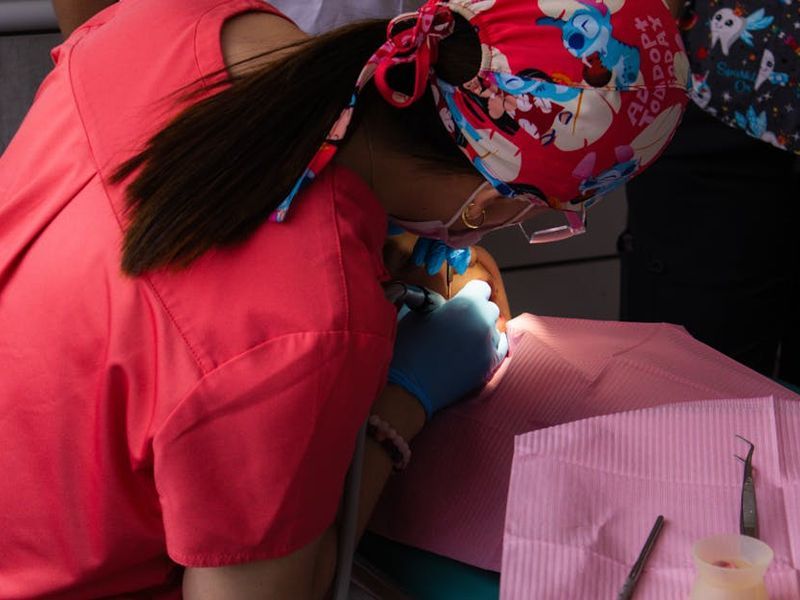
After dental work—whether a filling, extraction, crown, or deep cleaning—comfort and nutrition matter. In Cuenca, a city of tree-lined plazas and vibrant markets, bakeries and pastelerías offer a surprising range of gentle, satisfying treats that can help you get through the first few delicate days. This guide walks you through what to eat, where to look around the city, and how to make smart choices so your mouth heals quickly without sacrificing flavor.
Why Choosing the Right Bakery Treat Matters
Soft foods reduce pressure on tender gums and stitches and minimize the risk of dislodging clots or irritating surgical sites. Many Ecuadorian baked goods are naturally soft or can be ordered in ways that make them easier to eat: think flans, custards, moist cakes, and soft breads made from yuca or corn. At the same time, you want nutrients—protein, healthy fats, and gentle carbohydrates—to support recovery.
What to Look For: Texture, Temperature, and Nutrition
Three factors to weigh when picking post-dental treats:
- Texture: Smooth or very soft is ideal—custards, puddings, mousse, and very soft cakes. Avoid hard crusts, crunchy tops, and sticky pastries that require chewing.
- Temperature: Lukewarm or cool foods are often most comfortable. Hot foods can inflame the area; cold treats like flan or yogurt-packed desserts can be soothing.
- Nutrition: Seek protein and healthy fats—think ricotta or queso in desserts, yogurts, creams made with milk or eggs. Balance sweets with nutrient-dense options to keep energy steady.
Typical Cuencan Bakery Items That Work Well
Here are specific baked and bakery-adjacent items you can find in Cuenca that are friendly to healing mouths:
- Flan (natilla): Silky, egg-based custard commonly sold in pastelerías—smooth and easy to spoon.
- Tres leches cake: Extremely moist and soaked in three milks, this cake is soft and filling.
- Quesillo and soft cheesecakes: Ecuadorian cheesecakes tend to be milder and creamier than dense New York styles.
- Arroz con leche (rice pudding): A sweet, spoonable classic available at many bakeries and markets.
- Pan de yuca and pan de queso: Small, soft cheese breads made with yuca flour—chewy and gentle on gums.
- Soft breads (pan blando): Avoid crunchy baguettes and look for highly hydrated loaves or bolillos that can be moistened with milk.
- Filled pastries with custard or dulce de leche: Choose pastries where the filling is creamy and avoid caramelized crusts.
- Small gelatins and mousse cups: Many cafés and bakery counters sell ready-made gelatins and chocolate or fruit mousses.
Where to Find Them: Neighborhoods & Markets in Cuenca
Cuenca’s neighborhoods each have their own bakery scene. Here’s how to navigate them and what to expect.
Centro Histórico (Parque Calderón & surrounding streets)
The historic center is home to several artisan pastelerías and cafés catering to both locals and visitors. Look for small window cases full of flan, individual tres leches portions, and custard-filled pastries. Bakeries here often prepare take-away portions that are perfect for a gentle recovery meal at home or at your hospedaje near the park.
El Vado & San Sebastián
These areas have family-run panaderías where you’ll find traditional Ecuadorian breads like pan de yuca and pan de queso fresh in the morning. These items are typically soft and best eaten warm or at room temperature. San Sebastián also has cafés with creamy desserts and soft cakes in smaller portions.
Mercados: 10 de Agosto & Mercado Central
Markets are treasure troves for spoonable treats. Stalls selling arroz con leche, natilla, and fresh yogurt are common. The advantage of markets is price and variety—perfect if you want small portions to sample while recovering. Pick a stall with good turnover so your dessert is freshly made and safe.
El Vergel & Av. Remigio Crespo
More modern cafés and patisseries in these neighborhoods often sell individual mousse cups, panna cotta-style desserts, and refined soft cheesecakes. If you prefer European pastry techniques (silky textures, whipped creams), head here.
How to Order and Modify Bakery Items for Comfort
Don’t be shy about asking bakers or baristas to modify items—Cuencanos are used to accommodating requests. Useful Spanish phrases:
- “¿Tiene opciones suaves?” (Do you have soft options?)
- “¿Pueden cortarlo en trozos pequeños?” (Can you cut it into small pieces?)
- “¿Lo pueden servir frío/tibio?” (Can you serve it cold/lukewarm?)
Ask for sauces on the side so you can control sweetness and avoid sticky spills. Many bakeries will also offer smaller, single-serving sizes—ideal for managing portions while recovering.
Smart Pairings: Drinks and Sides to Complement Your Treat
A few smart beverage choices make recovery easier:
- Milk or warm (not hot) milk tea: Gentle on the mouth and adds calories and protein.
- Yogurt smoothies or batidos: Blendable with fruit and avocado for calories and nutrients—avoid using a straw within 48 hours of extraction.
- Herbal teas (chamomile): Soothing and non-acidic—drink lukewarm.
- Fresh fruit purées: From local markets—mango, banana, and papaya purées are naturally soft and vitamin-rich.
Homemade, Market-Sourced Alternatives If You Can’t Find the Right Bakery Item
Cuenca’s markets are full of ingredients to make quick, dentist-friendly snacks at home or in your rental kitchen:
- Ripe bananas + yogurt + a spoonful of honey = creamy blend that needs no chewing.
- Avocado + soft cheese (queso fresco) + a splash of milk, blended until silky for a savory option.
- Cooked sweet potato or squash, mashed and mixed with a bit of butter and cinnamon for a comforting puree.
- Soft boiled eggs mashed into a creamy spread—easy on gums and protein-rich.
Most mercados sell fresh milk, queso, and ripe fruits. If you have a blender, these make excellent recovery meals.
Timing, Storage, and Food Safety Tips
Follow these practical tips to make your treat both satisfying and safe:
- Buy small portions so food is always fresh—shelf life is short for custards and mousse in warm weather.
- Keep refrigerated items chilled until just before eating. Lukewarm is best; avoid piping-hot foods.
- Avoid sticky or crumb-filled surfaces that could lodge in extraction sites—opt for smooth, spoonable textures.
- Plan to eat in a calm, upright position to reduce pressure and avoid accidental bites on numb cheeks or lips.
When to Avoid Bakery Treats and Check With Your Dentist
Bakeries offer many great options, but there are situations where you should avoid most pastries and desserts—for example, within the first 24–48 hours after extraction if your dentist advised a soft-liquid diet or if you are still bleeding or have visible stitches. Always follow your dentist’s specific post-op instructions. If you have questions about a particular food, bring a photo of the item and ask your clinician whether it’s safe.
Practical Maps: Where to Head on Your First Day Out
If you want a short, gentle outing to fetch soothing treats from Cuenca’s best spots, try this simple loop:
- Start near Parque Calderón: pick up a small flan or tres leches at a centrally located pastelería.
- Walk slowly toward the Mercado Central—grab a cup of arroz con leche or a fresh yogurt from a market stall.
- Finish near the Tomebamba river cafes—stop for a mousse or panna cotta if you need something lighter and more European in style.
Keep outings short and avoid crowded markets during the first 48 hours if you’re sensitive to activity or street dust.
Final Tips: Balance Healing with Enjoyment
Cuenca’s bakery scene is wonderfully diverse—artisan pastelerías, family-run panaderías, and busy market stalls all offer soft, delicious options that can help you enjoy recovery. Prioritize spoonable, mildly flavored, nutrient-rich options in the first days after dental work. Use Spanish phrases to request modifications, lean on mercados for budget-friendly spoonable desserts, and try simple homemade blends if you prefer total control over texture and temperature.
With the right choices, you can support healing and still savor some of Cuenca’s comforting flavors. Buen provecho y pronta recuperación!