
Table of Contents
Why Cuenca is a Smart Choice for Dental Care
Cuenca, Ecuador has become a popular destination for quality, affordable dental care. The city blends experienced clinicians, modern clinics, and lower prices compared with North America and Europe. Many expats living in Cuenca, as well as short-term visitors on dental trips, find that they can get major procedures done here without sacrificing materials or technique. This guide walks you through the most common dental procedures you’ll encounter in Cuenca, realistic cost ranges, what to ask at your first appointment, and practical tips for a smooth experience.
How Dental Care Works in Cuenca: A Quick Overview
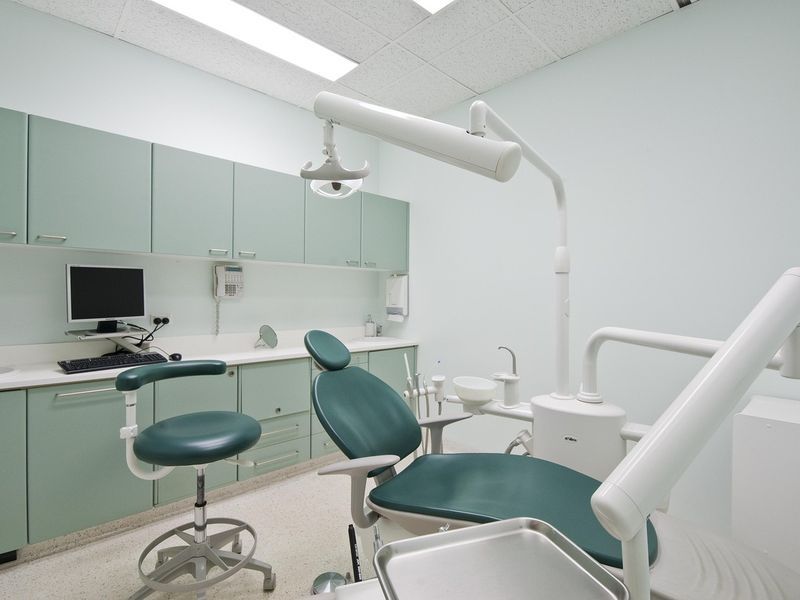
Dental clinics in Cuenca range from small private offices to multi-chair practices with digital X-rays, in-house labs, and specialists like endodontists and oral surgeons. Most clinics provide an initial consultation that includes an oral exam and panoramic X-ray (radiografía panorámica). After the exam, you’ll receive a written treatment plan outlining procedures, timelines, and costs. Language can be a factor—many dentists and staff speak at least basic English, but bringing a Spanish-speaking friend or using translation apps can help.
Where to Start: First Appointment Checklist
- Bring your medical and dental history, including recent X-rays if available.
- Ask for a panoramic X-ray and intraoral photos so you have documentation.
- Request a written treatment plan with timelines and itemized costs.
- Confirm the materials to be used (e.g., zirconia vs porcelain, titanium implants).
- Discuss warranties or guarantees on work and who to contact for follow-up care.
Common Procedures Explained
Below are the dental services most commonly sought in Cuenca, with practical notes about what to expect and typical cost ranges in US dollars. Prices vary by clinic, materials, and the dentist’s experience, so use these as ballpark figures.
1. Routine Cleaning (Limpieza / Profilaxis)
Routine cleanings remove plaque and tartar and are the foundation of preventive care. A typical cleaning in Cuenca includes scaling and polishing and may cost between $15 and $40. If you need deep cleaning (curetaje or scaling and root planing), expect higher fees, usually $50–$120 depending on severity and the number of quadrants treated.
2. Fillings (Empastes)
Composite (tooth-colored) fillings are common. Small to medium fillings typically cost $30–$80. Larger restorations or aesthetic layering may be more. Ask whether the clinic uses bonded composites and if they offer shade-matching under natural light.
3. Root Canal Treatment (Endodoncia)
Root canals in Cuenca are generally more affordable than in North America. A single-root canal might cost $100–$250, while molar root canals (multi-rooted) range from $200–$400. Many clinics use rotary endodontic systems and offer post-and-core placement if needed. After root canal therapy, you’ll likely need a crown for structural support—factor that into your budget.
4. Crowns and Bridges (Coronas y Puentes)
Crowns restore teeth after large fillings or root canals. Options include metal-ceramic crowns, all-ceramic (porcelain), and zirconia. Typical crown costs in Cuenca range from $120 to $350. Bridges (to replace one or more adjacent teeth) depend on how many units you need; each unit can be roughly the price of a crown plus any abutment work.
5. Dental Implants (Implantes Dentales)
Implants are among the most sought-after procedures for dental tourists. Single-tooth implant systems in Cuenca can range from about $600 to $1,500 including the implant fixture and crown, depending on brand and materials. Complex cases that need bone grafting, sinus lifts, or staged surgeries will cost more and require extended stays. Ask if the clinic uses branded implants (Straumann, Nobel, Zimmer, etc.) or generic systems and what the warranty covers.
6. Extractions and Oral Surgery (Extracciones)
Simple extractions are inexpensive—typically $20–$60. Surgical or impacted wisdom tooth removals cost more, commonly $100–$300 per tooth depending on complexity and anesthesia. Most clinics provide local anesthesia, and some offer conscious sedation for anxious patients—confirm sedation type and recovery instructions ahead of time.
7. Dentures and Prosthetics (Prótesis)
Complete dentures are usually $200–$700, depending on materials and customization. Partial acrylic or metal-based partials vary widely. Implant-supported overdentures can cost substantially more but offer improved stability and comfort. Check if the clinic has an on-site lab or a trusted local laboratory for faster turnaround.
8. Cosmetic Treatments: Veneers and Whitening
Veneers (carillas) can be porcelain or composite. Porcelain veneers are more durable and esthetic and usually cost $200–$500 per tooth. In-office whitening sessions (blanqueamiento) are common and typically range from $60–$200. If esthetic outcomes are important, ask to see before-and-after photos from the dentist and request a dental mock-up when possible.
Practical Logistics: Planning Your Trip for Dental Work
Many procedures require multiple visits: implants often need several months from implant placement to final crown, while crowns usually take two appointments spaced one to two weeks apart. If you’re visiting from abroad, consider the following:
- Schedule initial exams first; arrange follow-up visits in a way that reduces travel back-and-forth.
- Plan for at least one week in Cuenca for small restorative cases; longer for implants or complex work.
- Book accommodation near the clinic or central areas like Parque Calderón or El Centro to minimize transit time.
- Keep buffer days for lab work—local labs can sometimes deliver faster, but delays happen.
How to Evaluate a Clinic and Dentist
Choosing the right clinic is as important as the procedure itself. Here are practical evaluation tips:
- Look for modern equipment: digital X-rays, sterilization autoclaves, and up-to-date tools.
- Request to see before-and-after photos and, if possible, talk to former patients (expat forums are a good resource).
- Confirm sterilization protocols and ask about single-use items.
- Check qualifications: many dentists in Cuenca graduate from local universities and some complete international training. Ask where they trained and whether they’re specialists in endodontics, periodontics, implantology, or prosthodontics.
- Get an itemized written estimate and a description of the materials used (e.g., titanium grade for implants, zirconia type for crowns).
Costs, Payments, and Insurance
Costs in Cuenca are lower than in the U.S. and Canada, but prices vary by clinic. Many dentists accept cash and major credit cards; some offer payment plans or discounts for full upfront payment. If you have international dental insurance, check whether it reimburses work done abroad. Typically, travel or medical insurance does not cover elective dental procedures. Keep all receipts and a detailed treatment plan for insurance claims.
Aftercare: Recovery, Medications, and Local Resources
After most procedures, your dentist will prescribe antibiotics, pain relief, or anti-inflammatories. Ecuadorian pharmacies (farmacias) are plentiful—ask the clinic for the brand and dosage if you prefer brand-name meds. For post-op food and supplies, local supermarkets like Supermaxi and Mercado 9 de Octubre offer gentle foods and oral rinses. Common aftercare tips include:
- Use a soft toothbrush and avoid vigorous rinsing for 24–48 hours after extractions.
- Stick to soft foods (purees, soups, yogurt) for the first few days after surgery or implant placement.
- Avoid smoking and alcohol during healing, as they can impede bone and tissue recovery.
- Attend scheduled follow-ups and take photos of any concerning inflammation to send to your dentist if you leave town.
Language Tips: Useful Spanish Dental Terms
Knowing basic dental vocabulary helps communicate your needs and understand instructions. Here are some terms:
- Tooth: diente
- Cleaning: limpieza / profilaxis
- Filling: empaste
- Root canal: endodoncia
- Crown: corona
- Bridge: puente
- Implant: implante dental
- Extraction: extracción
- Gum: encía
- Pain: dolor
Safety and Legal Considerations
Most dental clinics in Cuenca operate to international standards, but you should still ask about guarantees and what the clinic will do in the rare event of complications. Request a written consent form that outlines the procedure, risks, and alternatives. If you’re having extensive treatment, consider getting a second opinion. Forums and expat groups in Cuenca can provide firsthand experiences and recommendations for trustworthy practices.
How Expats and Travelers Share Their Experiences
Expat groups on Facebook, local community centers, and forums are excellent places to read patient experiences. Many expats post detailed accounts including costs, timelines, and clinic names. These firsthand reports can illuminate common pitfalls—such as not confirming the implant brand or failing to verify lab work turnaround—and help you prepare a more precise schedule and budget.
Final Checklist Before Booking
Before you commit to a clinic or travel, use this short checklist to make sure you’ve covered the essentials:
- Obtain a written treatment plan, itemized estimate, and timeline.
- Confirm language support or arrange a translator for the first visit.
- Verify materials and brands for crowns and implants.
- Schedule follow-up visits and make contingency plans for complications.
- Plan for recovery time, and book accommodation near the clinic if necessary.
Conclusion: Making Dental Care Work for You in Cuenca
Cuenca offers an appealing mix of affordability, skilled clinicians, and modern dental facilities, making it a strong option for both routine care and major restorative work. With careful research, clear communication, and sensible planning, you can take advantage of the city’s dental resources while minimizing surprises. Whether you’re an expat calling Cuenca home or a visitor combining travel with dental treatment, this guide should help you approach dental care here with confidence and clarity.
If you plan to pursue treatment in Cuenca, start by scheduling an initial consultation, get a written treatment plan, and compare at least two clinics before making a decision. That effort will go a long way toward ensuring a positive outcome and a healthier smile at a sensible price.