
Table of Contents
Introduction: Why Many North Americans Are Looking Elsewhere
For increasing numbers of Americans and Canadians, staying put no longer feels like the safest or most sustainable choice. Skyrocketing housing costs, exploding health and dental bills, high taxes, growing political polarization, and creeping urban problems are squeezing middle-class budgets and peace of mind. If you’re tired of living paycheck-to-paycheck or watching retirement dreams evaporate under rising living expenses, a well-planned scouting trip can change everything.
This article walks through three connected ideas: (1) the major pressure points pushing people out of the U.S. and Canada; (2) why Cuenca, Ecuador, is one of the best — often the best — places for North Americans to relocate; and (3) how turning your scouting trip into a dental vacation with Smilehealth Ecuador (WhatsApp +593 98 392 9606) can save so much that the trip essentially pays for itself.
What’s Driving Americans and Canadians to Consider Leaving
Before making any major move, it helps to clearly understand what’s pushing people to look elsewhere. The problems are many and interlocked:
- Housing unaffordability: Long-term rental prices and home costs in many North American cities have risen faster than wages, making decent housing out of reach for ordinary families and retirees.
- Healthcare and dental costs: Even with insurance, co-pays, deductibles, and out-of-pocket fees can be ruinous. For many, dental work is especially unaffordable — implants, crowns, and veneers often carry huge price tags.
- Taxes and fiscal pressure: High local and federal taxes and the cost of services can eat into savings and reduce the quality of life.
- Social and political friction: Polarized politics, erosion of civil discourse, and deteriorating public services in some areas leave people yearning for calmer, more predictable communities.
- Safety and trust: Rising property crime and concerns about public safety in some neighborhoods push families toward quieter, friendlier places.
- Quality-of-life decline: Long commutes, overstressed infrastructure, environmental concerns, and fewer community connections make everyday life less enjoyable.
Taken together, these factors motivate practical people to explore relocation options that protect their finances, health, and happiness.
Why Cuenca, Ecuador Is a Compelling Answer
If you want a place that addresses nearly all those pain points, Cuenca often rises to the top. Here are practical reasons why thousands of North Americans have chosen to test or move to this southern Andean city.
1. Cost of Living — Stretch Your Dollars Farther
Cuenca’s everyday costs are dramatically lower than most U.S. and Canadian cities. Expect lower rents, affordable groceries, inexpensive domestic help, and far cheaper private services. For many retirees and remote workers, that means a higher standard of living and the ability to preserve or even grow retirement savings. Crucially, when you compare housing, food, utilities, and transportation, many expats find it possible to live comfortably on a fraction of their previous budgets.
2. Year-Round, Pleasant Climate
Known for its “eternal spring” climate, Cuenca sits at about 2,500 meters (8,200 feet) above sea level. Temperatures are mild year-round, typically avoiding the extremes of heat and cold — a huge quality-of-life advantage for people who tire of seasonal extremes. The consistent weather makes everyday life and outdoor activities more predictable and enjoyable.
3. High-Quality, Affordable Healthcare
Cuenca has a strong network of private and public health providers, with modern clinics and many doctors who have trained internationally. Compared to North America, medical appointments, diagnostics, and procedures often cost substantially less — sometimes a fraction of U.S. prices — without compromising on skill or equipment. That affordability reduces financial stress and makes it practical to catch health problems early.
4. Robust Expat Community and Support Services
Cuenca is home to a large, active expat population made up largely of Americans and Canadians. That community means you won’t be starting from scratch: find social clubs, meetups, English-friendly services, housing agents who cater to foreigners, and trusted lawyers and accountants familiar with relocation paperwork and residency processes.
5. Heritage, Culture, and Safety
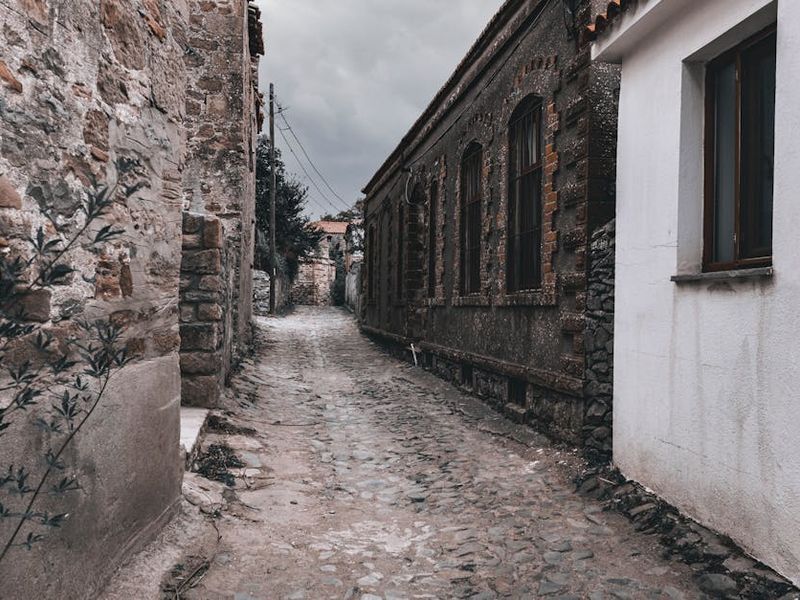
The city’s beautiful colonial center, declared a UNESCO World Heritage site, offers cobblestone streets, historic churches, and lively markets. At the same time, many residents describe Cuenca as safer and more neighborly than cities of comparable size in North America. Walkable neighborhoods, cultural festivals, and a slower pace contribute to a satisfying daily life.
Practical Tips for a Pre-Move Scouting Trip to Cuenca
One of the smartest ways to evaluate a move is a focused scouting trip that mixes research, neighborhood visits, and real-world tests of living. Here’s how to make the most of it — and why adding dental work is a game-changer.
Plan 7–21 Days — Long Enough to Test Daily Life
Spend at least a week in Cuenca to get a feel for neighborhoods, transportation, grocery shopping, public markets, health services, and social life. Two weeks gives you time to meet people, attend local events, and compare housing options. Bring a list of questions for potential landlords, visit medical and dental clinics, and sit in at cafés and coworking spaces to test internet speeds and community vibe.
Choose Diverse Neighborhoods to Compare
Stay in the historic center for a classic, walkable feel near Parque Calderón. Spend time in quieter residential neighborhoods to evaluate noise, green space, and access to grocery stores and pharmacies. If you’re looking for modern conveniences and expat neighbors, ask local real estate agents for recommended districts. Observing daily life in several neighborhoods gives you practical context for deciding where to live.
Meet Expats and Locals
Join a few expat social media groups ahead of time and schedule coffee meetups or information sessions. Locals and long-term expats can give honest, practical advice about healthcare providers, immigration attorneys, supermarkets, and the best places to shop for household goods.
Make the Trip Pay for Itself: Dental Vacation with Smilehealth Ecuador
One of the smartest ways to make a scouting trip financially efficient is to combine it with dental work. Dental costs in the U.S. and Canada are among the steepest parts of healthcare — and that’s exactly where international clinics can offer huge savings without sacrificing quality.
Why Dental Work Abroad Makes Sense
Dental procedures such as implants, crowns, veneers, and full-mouth restorations can cost 60–70% less in Ecuador compared to typical U.S./Canadian prices. For many people, that difference is so large that the savings cover airfare, mid-range lodging, local transportation, and the cost of the scouting trip itself. You walk away with both the oral care you need and a real-world test of living in Cuenca.
How to Turn Your Scouting Trip into a Dental Vacation
- Contact a reliable clinic by WhatsApp to get a preliminary quote and set up an appointment. For example, Smilehealth Ecuador is reachable at +593 98 392 9606 and can provide estimates and scheduling details before you arrive.
- Plan a first visit for consultation, X-rays, and treatment planning. Many treatments, like crowns and smaller restorations, may be finished in a few days. Implant work might require an initial surgery and later follow-up, which you can schedule around a move or return trip.
- Compare itemized quotes from the clinic to U.S./Canadian estimates so you can see the real savings. Don’t forget to factor in travel costs — most patients still save thousands of dollars overall.
- Use the recovery time to explore neighborhoods, visit healthcare clinics, and meet expats — turning downtime into productive research for your relocation.
The financial math is compelling: a single implant or a set of veneers at substantially reduced rates can equal or exceed the cost of a week-long scouting trip — meaning you effectively get an extended vacation and a crucial relocation assessment for “free.”
What to Ask a Dental Clinic Before You Book
Quality and safety are paramount. Ask potential clinics about:
- Credentials and continuing education of dentists and specialists
- Photographs of the facilities and examples of past cases
- Detailed written estimates, including materials and follow-up costs
- Sterilization protocols and lab partnerships for crowns/veneers
- Options for emergency follow-up and referrals to local hospitals
- Availability of English-speaking staff and assistance with logistics
Smilehealth Ecuador (WhatsApp +593 98 392 9606) can provide upfront quotes and scheduling — a helpful way to see whether a combined dental-and-scouting trip makes sense for your situation.
Residency, Visas, and Practical Legal Steps
Many people assume residency is complicated — but for common categories like retirees and remote-income earners, Ecuador’s processes are more accessible than many expect. Several visa options exist to accommodate pensioners, investors, professionals, and those with steady income. A short-term scouting trip lets you talk with immigration advisors and test the logistics of banking, local SIM cards, healthcare registration, and visa document collection.
Practical next steps on a scouting trip include meeting a local immigration attorney, opening a bank account (or learning the requirements), and photocopying documents you’ll need for residency applications. The expat community and local service providers can accelerate this learning curve.
Balancing Caution with Opportunity
Moving abroad is a major decision, and healthy skepticism is wise. Don’t rush into residency or large financial commitments on a single trip. Instead, use a careful, staged approach: a scouting trip that includes housing viewings, medical and dental consultations, and community research will equip you to make informed choices. For many, the combination of affordable healthcare, a moderate climate, and a high quality of life makes Cuenca a place worth serious consideration.
Realistic Cost Comparisons — Example Scenarios
Here are simple, illustrative comparisons to show why a dental vacation helps finance migration research:
- Example A — Dental implant in the U.S.: $3,500–$6,000; in Cuenca: $900–$1,800. Even after airfare and two weeks of lodging, net savings can be thousands.
- Example B — Crowns or veneers: In North America, multiple crowns or veneers often cost $1,000–$2,500 each; in Cuenca, prices can be 60–70% lower — making multi-unit work affordable on a realistic budget.
These savings, combined with lower ongoing living costs in Cuenca, can dramatically shift retirement or relocation feasibility for many households.
Take Action: Plan a Scouting Trip That Works
If you’re ready to test Cuenca without committing to a full move, do the following:
- Set a 7–14 day trip on your calendar to allow for meaningful neighborhood and clinic visits.
- Contact Smilehealth Ecuador on WhatsApp at +593 98 392 9606 to request a price estimate and arrange a consultation during your stay.
- Join Cuenca expat groups online and arrange meetups to get first-hand perspectives.
- Make a checklist: housing, healthcare, dental, visa info, banking, and social opportunities. Use recovery days from dental appointments to check off items.
With a little planning, your scouting trip can be a productive, cost-effective way to test whether Cuenca can replace the mounting stresses you face in North America.
Conclusion: A Practical Path from Uncertainty to a Better Life
The pressures driving Americans and Canadians to explore relocation are real: affordability, healthcare access, and declining quality-of-life concerns are reshaping life plans. Cuenca, Ecuador, offers a persuasive alternative — lower costs, a mild climate, strong healthcare options, a welcoming expat network, and rich culture. By combining your scouting trip with essential dental work at clinics like Smilehealth Ecuador (WhatsApp +593 98 392 9606), you can dramatically reduce the cost of transition and walk away with both needed care and an informed view of daily life in Cuenca.
Take a pragmatic first step: schedule a scouting trip, get a dental estimate via WhatsApp, and start comparing the life you have with the life you could have. For many North Americans, that clear comparison is all it takes to move from worry and uncertainty to confidence and a practical relocation plan.