
Table of Contents
Why the neighborhood you choose in Cuenca matters
Moving to Cuenca is exciting: handsome colonial architecture, a steady spring-like climate, and a growing international community. But the experience of living here depends heavily on the neighborhood you pick. Do you want cobbled streets and cafes at your doorstep? Or do you prefer quiet evenings with city views? This guide walks through the most popular areas for expats, what to expect in each, and practical tips to help you choose.
Quick facts about living in Cuenca
Cuenca sits at about 2,560 meters (8,400 feet) above sea level, offering mild days and cool nights year-round. Cost of living is generally lower than in North America and Europe: grocery chains like Supermaxi and Tía are common, taxis and buses are affordable, and healthcare includes public IESS hospitals and a range of private clinics. Internet and cell coverage are good in most neighborhoods but can vary on the city’s hills and peripheral zones.
How I evaluated neighborhoods
Each neighborhood below is described with practical factors expats care about: walkability, access to healthcare, grocery options, nightlife, safety, typical rent ranges, and lifestyle fit (families, retirees, singles, creatives). Rent estimates are approximate and reflect a mix of furnished and unfurnished options for mid-range apartments.
1. Historic Center (Centro / Parque Calderón): colonial charm and everyday convenience
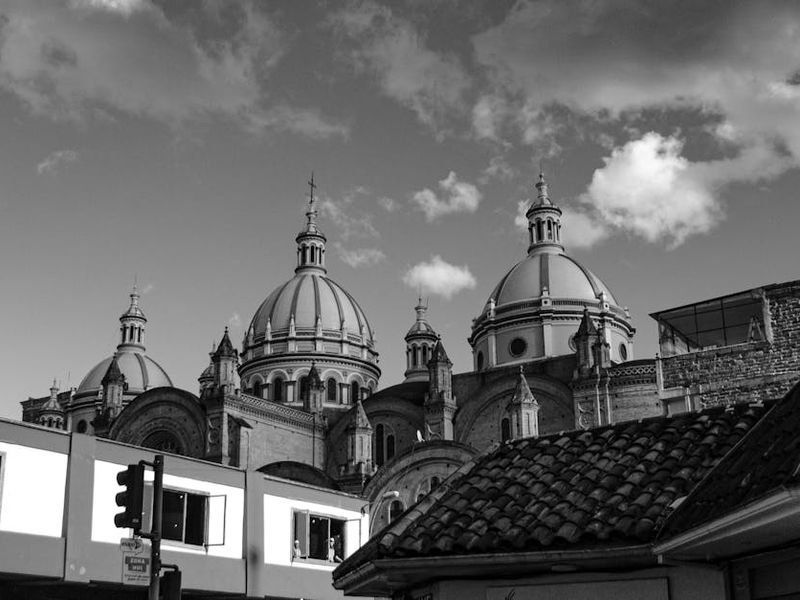
Why expats love it: The Historic Center — clustered around Parque Calderón and the cathedral — is the most iconic part of Cuenca. You’ll find colonial plazas, artisan shops, museums, and an abundance of cafes and restaurants. Everything is walkable: pharmacies, banks, a wide variety of eateries, and public transit are minutes away.
Who it’s best for: Culture lovers, people who want to be in the action, and newcomers who value convenience and the ability to walk everywhere.
Pros and cons: You get beautiful architecture and instant access to city life, but there is more noise, tourists, and fewer parking options. Apartments range roughly $350–$800/month depending on size and finish.
2. San Sebastián: artsy lanes and a bohemian vibe
Why expats love it: San Sebastián is a smaller, more intimate neighborhood near the center with narrow streets, independent galleries, and artisan workshops. It has a creative energy and a slower pace than the immediate Centro.
Who it’s best for: Artists, remote workers, and anyone who enjoys cafés and community events. There’s often a strong sense of local identity and neighborly connections here.
Pros and cons: Fewer large supermarkets — you’ll shop at local mercados and small stores — but you’ll have unique restaurants and creative spaces within walking distance. Rent tends to be a bit lower than the absolute center, commonly $300–$650/month.
3. Bellavista and the hills: views, quieter streets, and green space
Why expats love it: Sitting on hills overlooking the city, neighborhoods like Bellavista offer larger lots, gardens, and excellent city views. Streets are quieter and often more residential, which appeals to retirees and families.
Who it’s best for: People who want quieter nights, more space for a garden, and scenic views without being too far from the center.
Pros and cons: You’ll likely need a taxi or a longer walk to reach central shops and restaurants. Utilities and internet are generally reliable, and monthly rent for a comfortable 1–2 bedroom apartment or a small house ranges $400–$900 depending on amenities.
4. Totoracocha and Pumapungo area: family-friendly and near cultural sites
Why expats love it: South of the heart of the city, this area mixes residential streets with cultural attractions (Pumapungo Museum and archaeological park). It’s handy for families and for anyone who wants easy access to parks and museums.
Who it’s best for: Families and expats who regularly use buses or drive. It has a quieter rhythm than the Centro but remains close enough for daily commutes.
Pros and cons: Good access to schools and cultural venues; expect more conventional apartment buildings and some newer developments. Rent is comparable to the city average: roughly $350–$700/month for standard apartments.
5. El Batán and the outer neighborhoods: value and community
Why expats love it: Neighborhoods a bit further from the center like El Batán offer larger apartments or houses for less money. You’ll find tight-knit communities, local markets, and more space for a lower price — appealing for longer-term residents and those on tighter budgets.
Who it’s best for: Budget-conscious renters, families who want more interior space, and people who don’t mind a 15–25 minute commute to central areas.
Pros and cons: More affordable housing but sometimes less immediate access to high-end private clinics or international schools. Public transport and taxis remain easy to use in most cases.
6. University and Hospital Zones: convenient for medical care and students
Why expats love it: Areas near Cuenca’s universities and main hospitals are practical for anyone working in healthcare, studying Spanish, or seeking easy access to medical facilities. These zones usually have a steady supply of rental units geared to students and professionals.
Who it’s best for: Medical professionals, students, and expats who value proximity to hospitals and clinics.
Pros and cons: The energy can be lively and slightly transient (frequent tenant turnover). Rents here vary widely; smaller studios and rooms are often very affordable.
Safety, healthcare and essential services — what to check in any neighborhood
When evaluating a neighborhood, here are practical items to inspect in person:
- Proximity to a hospital or clinic (public or private) and the estimated taxi time in an emergency
- Access to supermarkets (Supermaxi, Tía) and the weekly local market for fresh produce
- Noise levels at night, especially if you’re near bars or a bus route
- Internet options and signal strength (Claro, CNT, Movistar are major providers)
- Parking availability if you plan to own a car — parking is scarce in the historic core
Rent, utilities and realistic budgets
Typical monthly cost expectations (approximate and variable):
- Studio/1-bedroom in Centro or San Sebastián: $300–$650
- 1–2 bedroom outside the core (Bellavista, Totoracocha, El Batán): $350–$900
- Furnished apartments and houses with modern finishes or garden space: $600–$1,500
Utilities (electricity, water, gas, trash, and modest internet) often add $40–$120 monthly depending on usage and heating needs. Many rentals are partly furnished; be prepared to negotiate inclusion of utilities or internet in the lease.
Practical tips when house-hunting in Cuenca
- Visit at different times: Check a neighborhood during the day and after dark to gauge noise and safety.
- Use local resources: Facebook expat groups, local real estate agents, and community bulletin boards are useful for finding listings and tenant feedback.
- Ask about water and power: Some neighborhoods on hills may experience occasional outages or variable pressure.
- Consider furnished short-term rentals first: A 1–3 month furnished rental gives you time to explore other neighborhoods before signing a longer lease.
- Negotiate lease terms: Landlords expect discussion over rent, deposit (usually one or two months), and who pays for maintenance or repairs.
Residency, visas, and local bureaucracy
Many expats choose Cuenca long-term through visa options such as the pensionado (retiree), rentista, professional, or investor visas. Each has different income and documentation requirements. While a visa doesn’t determine your neighborhood, visa status affects whether you lease long-term, buy property, or set up utilities in your name. Hiring a local immigration attorney or consultant can smooth the process.
How to feel at home quickly
Settle in by connecting with local groups: language exchange meetups, expat communities, and neighborhood associations. Practice Spanish locally — even basic phrases open doors and make daily life easier. Use neighborhood markets and cafes to build a routine; your favorite bakery or grocer can become the hub that makes a new area feel like home.
Final recommendations: matching neighborhoods to lifestyle
To summarize with practical pairings:
- If you want walkability and charm: choose the Historic Center or San Sebastián.
- If you prefer quiet, views, and gardens: explore Bellavista and nearby hillside sectors.
- If you’re on a budget or want more space: look to outer neighborhoods like El Batán.
- If healthcare access or student life matters: neighborhoods near hospitals and universities are practical.
Cuenca offers a surprising range of neighborhoods for a city of its size — from historic plazas to hillside retreats. Spend a few weeks exploring by foot, talking to residents, and testing commutes before committing. With a little time, most newcomers find the corner of Cuenca that fits their pace, budget, and daily rhythm.
Quick checklist before signing a lease
- Walk the neighborhood at different times of day
- Confirm internet speed and mobile reception
- Ask about utility averages and who pays what
- Locate nearest hospitals, pharmacies, and grocery stores
- Get rental agreement in writing and, if possible, translated
With careful scouting and a clear list of priorities, you’ll find a neighborhood in Cuenca that matches your lifestyle — whether that’s sipping coffee beside a cathedral, creating in a studio in San Sebastián, or waking to city views on a quiet hilltop.