
Table of Contents
Why Cuenca is a Great Place to Go Green
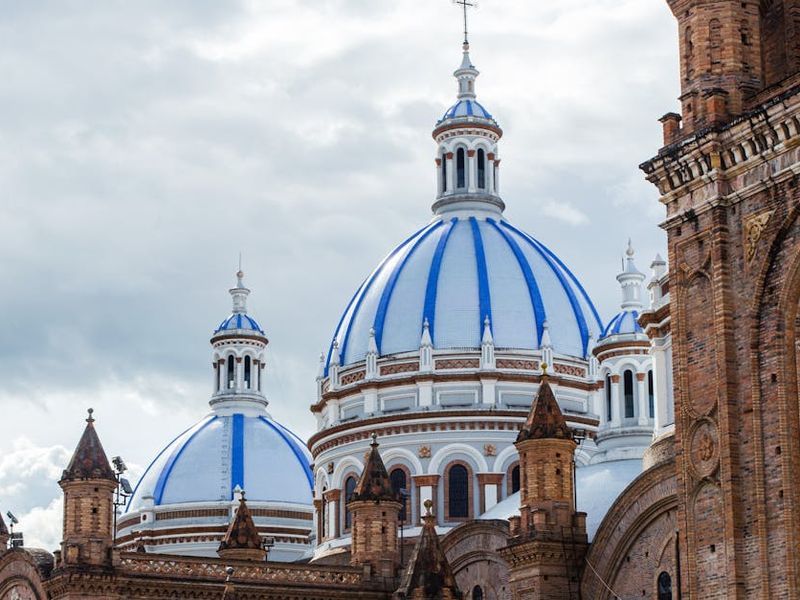
Cuenca’s compact, walkable historic center, temperate mountain climate, and strong local markets make it one of the easiest cities in Latin America for expats to adopt an eco-friendly lifestyle. Nestled at about 2,500–2,600 meters above sea level and bisected by the scenic Tomebamba River, the city’s layout encourages walking and biking. The UNESCO‑listed colonial core and nearby green spaces like Parque Calderón and the Turi lookout provide natural incentives to reduce car use and embrace sustainable habits.
Understand the Local Context: Climate, Transit, and Markets
Climate and seasonality
Cuenca’s year‑round mild temperatures mean less need for heavy heating or air conditioning. The city has a clear wet and dry rhythm: the wetter months generally run from roughly October through May, and the drier months from June through September. That pattern presents opportunities for rainwater harvesting in the wet season and solar gains in sunnier months.
Public transit — the Tranvía and buses
The Tranvía de Cuenca (the city’s modern light rail) and the bus network are practical, low‑carbon ways to get around the city. For short trips, the historic center is compact enough for walking, and many neighborhoods have decent bus connections to the Centro. Rely on public transit for routine trips rather than owning a second car — you’ll save money and cut your carbon footprint.
Local food sources: mercados and small producers
Cuenca’s mercados and neighborhood stalls are a goldmine for local, seasonal produce. Mercado Central and the flower markets near Parque Calderón (Plaza de las Flores) are great places to buy fresh vegetables, fruit, herbs, and eggs from local producers. Look for small weekly farmers’ markets (ferias de productores) in barrios — they often have organically grown or minimally treated produce.
Reduce, Reuse, Recycle — Practical Tips for Daily Life
Start with the basics: reduce what you bring home, reuse what you can, and recycle the rest. Here are concrete steps tailored to living in Cuenca.
Cut single‑use plastics
- Carry a reusable tote and produce bags when shopping. Many tiendas still have plastic bags at checkout, so bring your own.
- Use a reusable coffee cup and water bottle. Cuenca has plenty of water refill stations and businesses that will re‑fill large garrafones (jugs).
- When ordering food, ask vendors to skip single‑use cutlery and napkins. Small language tweaks in Spanish like “sin cubiertos, por favor” help a lot.
Recycling in Cuenca
Recycling infrastructure is improving but varies by neighborhood. Many expats report success using local drop‑off points, separate collection points in mercados, and informal recicladores who collect recyclable materials. Start by separating dry recyclables (paper, cardboard, PET plastic, aluminum) from organic waste at home. Look for municipal or privately run collection points and ask neighbors or building managers where to take sorted materials.
Composting — from apartments to gardens
Thanks to Cuenca’s mild climate, composting is straightforward. If you live in a house, a backyard compost bin or a tumbling composter will handle kitchen scraps and garden waste easily. For apartment dwellers, try a small vermicompost (worm bin) or bokashi system which works well indoors and is odor‑controlled. Use finished compost on balcony plants, community gardens, or offer it to neighbors with gardens.
Sustainable Food Choices
Eating locally and seasonally has a big environmental payoff and connects you to Cuenca’s food culture.
Shop the mercados and buy seasonal
Visit Mercado Central, local neighborhood mercados, and weekend ferias to buy seasonal produce from regional farmers. Seasonal vegetables are cheaper and use far less embodied energy than imported supermarket items. Build relationships with vendors — they’ll often save the best or let you know if something is grown organically.
Reduce meat and choose local proteins
Meat in Ecuador can be resource‑intensive. Try incorporating more local staples — beans, lentils, eggs, dairy from small farms, and Ecuadorian dishes that highlight vegetables. Many restaurants in Cuenca are adding plant‑forward options, and you’ll find artisanal cheese producers in the Azuay region if you want local dairy.
Energy and Water: Small Changes, Big Impact
Save electricity the smart way
Because Cuenca’s climate is balanced, prioritizing efficient appliances and lighting gives quick wins. Replace incandescent bulbs with LEDs, use energy‑efficient refrigerators, and unplug devices when not in use to avoid vampire loads. If you’re renovating, consider high‑efficiency windows and extra insulation in areas prone to damp or drafts.
Consider solar and water heating options
Many expats explore solar water heaters for savings on gas or electricity, particularly in homes with good sun exposure. Solar photovoltaic panels are increasingly affordable for homeowners; consult local installers for assessments and quotes. If you don’t own your home, investigate community solar projects or request permission to install panels on rental roofs — some landlords are receptive to shared savings.
Water conservation and reuse
Rainwater harvesting is practical in Cuenca due to the rainy season. Simple roof catchment systems with first‑flush diverters can feed garden irrigation and reduce reliance on municipal water for nonpotable uses. Inside, low‑flow showerheads, dual‑flush toilets, and fixing leaks are basic but effective steps.
Transport: Move Smart Around Town
Cuenca’s layout rewards alternatives to single‑occupancy cars. Switching to more sustainable mobility not only shrinks your footprint but also improves your quality of life.
Choose the Tranvía and buses for commuting
The Tranvía and bus network cover major corridors; use them for daily commuting, shopping trips, and getting to appointments. Consider monthly transit passes if you’ll be a frequent rider—these reduce costs and promote consistent use.
Bike culture and safety
Cuenca’s compact neighborhoods and relatively calm traffic in many areas make cycling a practical option. Invest in a comfortable hybrid or city bike, reflective gear, and a sturdy lock. Learn local cycling etiquette and routes — riverfront paths along the Tomebamba provide pleasant, low‑stress stretches. Join local cycling groups or Facebook communities to learn safe routes and get tips on maintenance and bike shops.
Car sharing and smarter car ownership
If you need a car, consider carpooling with neighbors, renting for occasional longer trips, or buying a fuel‑efficient model. Combining errands into single trips and avoiding peak traffic times also reduces fuel use.
Green Housing: Practical Retrofits and Choices
Whether renting or buying, small housing changes can add up.
Prioritize passive comfort
Thick adobe or brick walls common in older houses provide thermal mass that moderates temperatures — tap into that natural advantage. Use adjustable shading for high‑sun windows, and let in breezes in the afternoons when appropriate. For rentals, negotiate small, cost‑neutral improvements like sealing drafts, adding weatherstripping, or installing LED bulbs.
Choosing durable, local materials
When renovating, source local stone, wood, and tiles. Buying local reduces transport emissions and supports Cuenca’s artisans and builders. Reclaimed wood and refurbished fixtures not only look great but also reduce demand for new materials.
Waste Management: Electronic, Hazardous, and Bulky Items
Beyond everyday recycling, plan for less frequent waste streams.
Electronic waste
Do not throw electronics into regular trash. Check with community centers, universities, or municipal facilities for occasional e‑waste collection events. Local repair shops also accept broken devices for parts or responsible disposal.
Hazardous materials
Paints, solvents, batteries, and aerosols require special handling. Ask hardware stores and municipal offices where to take hazardous items; do not pour chemicals down drains or into the environment.
Connect with Community and Volunteer
Going green is easier with local partners. Cuenca has active environmental groups, community garden projects, and conservation initiatives along its rivers and green corridors.
Find local groups and events
Search for environmental volunteer days, tree plantings, river cleanups, and local sustainability workshops on social platforms and community bulletin boards. Expat groups on Facebook and Meetup often post eco‑oriented events where you can meet like‑minded residents and share tools and tips.
Support local artisans and sustainable businesses
Cuenca’s artisan economy is a sustainable asset — buying from local weavers, potters, and food producers keeps money in the community and reduces emissions tied to shipping imports. Look for eco‑friendly stores and cooperatives that sell bulk goods, refillable products, and upcycled items.
A 30‑Day Green Start Plan for New Expats
Transitioning to a greener life is easiest when broken down into small, achievable steps. Use this month‑by‑month starter plan to build momentum.
Week 1 — Observe and Reduce
- Walk the neighborhood and note nearby mercados, bus stops, and bike routes.
- Replace disposable shopping bags and bring a water bottle/Coffee cup.
- Set up a simple waste‑separation system at home.
Week 2 — Shop Local and Cut Food Waste
- Visit Mercado Central and buy seasonal produce for the week.
- Plan meals to avoid food waste and start a small compost container for scraps.
Week 3 — Tackle Energy and Mobility
- Swap bulbs for LEDs and draftproof a few small gaps in doors or windows.
- Try the Tranvía or bus for a week instead of driving; test a bike route for errands.
Week 4 — Connect and Expand
- Join a local sustainability group or attend a volunteer event.
- Research recycling drop‑offs, local repair shops, and nearby eco‑shops that sell bulk items.
Final Thoughts: Small Steps Add Up
Living green in Cuenca is less about perfection and more about gradual changes that become habits. The city’s walkable center, vibrant mercados, and mild climate make it a fertile place for sustainable living. Start with a few household changes, get involved with community efforts, and let local rhythms guide you — the result will be a healthier lifestyle, lower costs, and a lighter footprint on the beautiful Andean landscape you now call home.
Practical green living in Cuenca isn’t a sacrifice — it’s a way to deepen your experience of the city, support local people, and protect the rivers and green spaces that make Cuenca special. Take one small step today: swap a plastic bag for a reusable tote and begin exploring the mercados on foot.