
Table of Contents
Why regular dental check-ups matter — beyond the smile
Regular dental visits do more than keep your teeth white. They prevent cavities from becoming infections, catch gum disease early, and identify issues that can affect your overall health — including heart disease, diabetes control, and pregnancy outcomes. In Cuenca, where many expats and retirees seek affordable, high-quality care, staying on top of dental appointments is one of the best investments you can make in your long-term health and quality of life.
How often should you get a check-up in Cuenca?
The general guideline is to visit a dentist every six months for a routine exam and cleaning. That frequency works for most healthy adults. However, individual needs vary. Here are common adjustments:
- Every 3–4 months: People with active gum disease (periodontitis), heavy smokers, or those prone to rapid plaque buildup.
- Every 4–6 months: Diabetics or anyone with weakened immune responses who needs more frequent monitoring.
- Once a year: Low-risk patients with excellent oral hygiene and no history of cavities might be able to stretch to yearly checks—only under a dentist’s recommendation.
- Children: First visit by their first birthday or when the first tooth erupts, then every 4–6 months depending on risk and growth.
- Pregnant women: At least once during pregnancy, preferably in the second trimester; more often if gum inflammation is present.
What to expect at your first dental visit in Cuenca
Your initial appointment is both an exam and an orientation. Expect the following steps during a standard first visit:
- A medical and dental history review — bring your medication list and any prior dental records if available.
- A clinical exam of teeth, gums, bite, and oral soft tissues.
- Digital X-rays if needed — many modern clinics in Cuenca use digital radiography for quicker imaging and lower radiation.
- A professional cleaning (prophylaxis) to remove tartar and plaque.
- A personalized treatment plan with cost estimates if restorative work is required.
Bring your ID and, if you’re an IESS contributor, your social security card. Many dentists in Cuenca also accept walk-ins, but appointments are recommended to avoid waiting.
Services commonly offered in Cuenca dental clinics
Cuenca has a wide range of dental services, from basic cleanings to advanced prosthetics. Typical offerings include:
- Preventive care: cleanings, sealants, fluoride treatments.
- Restorative care: fillings, crowns, bridges.
- Endodontics: root canals and retreatments.
- Periodontics: scaling, root planing, and gum surgery.
- Oral surgery: extractions (including wisdom teeth) and implant placement.
- Prosthodontics: dentures, implant-supported prostheses.
- Orthodontics: braces and clear aligners.
- Cosmetic dentistry: whitening, veneers, and smile makeovers.
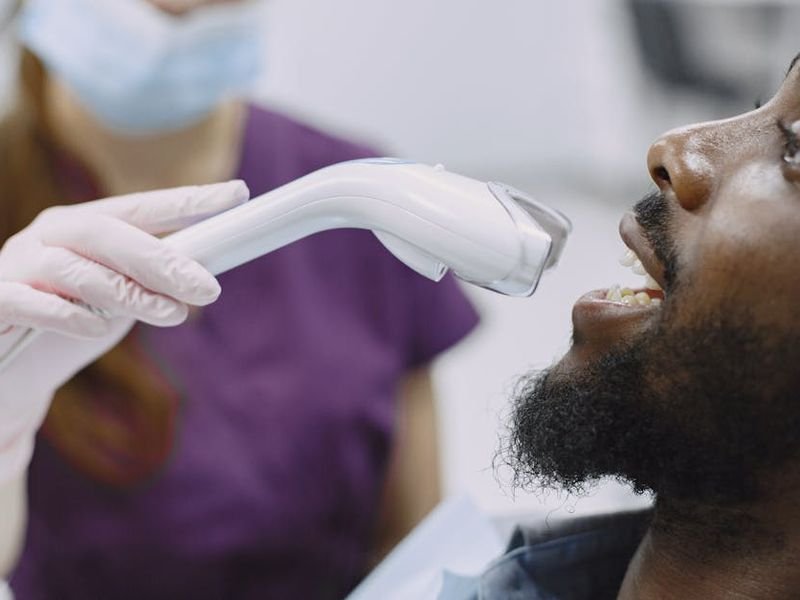
Many dentists in the city use modern equipment like intraoral cameras, CAD/CAM technology for same-day crowns, and cone-beam CT imaging for implant planning. If you want advanced tech, call ahead and ask about available services.
Typical costs and payment options — what to expect in USD
Ecuador uses the US dollar, which makes pricing transparent for expats. Dental care in Cuenca is generally less expensive than in North America or Europe, but prices vary by clinic and complexity of treatment. Typical price ranges (approximate):
- Routine cleaning: $20–$50
- Filling (composite): $30–$90 per tooth
- Root canal: $120–$450 depending on tooth complexity
- Crown (porcelain/metal or ceramic): $200–$600
- Single dental implant (surgery + crown): $800–$1,800
- Complete denture: $200–$700 per arch
Many clinics accept cash, card, and bank transfers. If you have international health or dental insurance, check whether your policy reimburses care abroad and what documentation you’ll need (itemized receipts, codes). IESS participants may receive subsidized services at public clinics, but wait times and available procedures can differ from private clinics.
How to find a trusted dentist in Cuenca
Choosing a dentist is about credentials and comfort. Use these practical steps to find one you trust:
- Ask for recommendations in local expat Facebook groups, Meetup groups, or community forums. Expats often share experiences about bilingual dentists and clinics that cater to foreigners.
- Verify credentials: Ecuadorian dentists are registered with the Colegio de Odontólogos; ask about specializations and training for advanced procedures.
- Tour the clinic—or at least request photos. Check for visible cleanliness, modern sterilization equipment, and disposable materials.
- Ask about language: many dentists in Cuenca speak basic to fluent English. Use the phrase “dentista bilingüe” when searching.
- Read reviews on Google, Facebook, and local directories. Look for comments about punctuality, follow-up care, and how emergencies are handled.
Dental emergencies: what to do and where to go
Dental emergencies can be scary, but immediate steps often reduce pain and save teeth. Common emergencies include severe toothache, knocked-out teeth, swelling, and uncontrolled bleeding. Quick tips:
- Severe pain or swelling: call your dentist; if swelling affects breathing or swallowing, seek emergency hospital care immediately.
- Knocked-out tooth: keep it moist in milk or saliva and see a dentist within an hour for the best chance of reimplantation.
- Lost crown: bring the crown to the clinic; temporary re-cementation may be possible.
- Toothache: rinse with warm salt water, use ibuprofen if suitable, and book an urgent dental appointment.
Many private clinics in Cuenca offer emergency hours or on-call services. If you live in historic center neighborhoods like El Centro Histórico or near the Azuay University area, you’ll find several clinics within short taxi or bus rides.
Prevention at home: daily habits that reduce dental visits
Regular check-ups are important, but your daily routine has the biggest impact on oral health. Practical, effective habits include:
- Brush twice a day for two minutes with fluoride toothpaste.
- Floss daily — consider interdental brushes if gaps are larger.
- Use a soft-bristled brush to protect enamel and gums.
- Limit sugary snacks and frequent sipping of sugary drinks.
- If you smoke, seek support to quit; smoking accelerates gum disease and complicates healing after procedures.
- Consider a fluoride rinse or topical varnish if you’re prone to cavities.
Special groups: children, seniors, and those with medical conditions
Certain populations need tailored care:
- Children: Pediatric dentists in Cuenca focus on preventive care and habit counseling (thumb-sucking, bottle use). Fluoride varnish and sealants can dramatically reduce cavities.
- Seniors: Aging brings gum recession, root cavities, and dry mouth (often medication-induced). Regular denture checks and monitoring for oral cancer are important.
- People with chronic conditions: Diabetics, those on anticoagulants, and immune-suppressed patients should coordinate dental treatment with their physicians. Inform your dentist about all medications and medical history.
Dental tourism and combining care with travel in Ecuador
Cuenca is popular for dental tourism because of high-quality care at lower prices. If you’re planning to combine dental work with a longer stay, consider these tips:
- Plan adequate recovery time — implants and complex restorations often require multiple visits spread over weeks or months.
- Ask your dentist for a detailed written treatment plan and cost breakdown so you can compare offerings.
- Check for post-op follow-up policies: will the clinic coordinate with a dentist in your home country if complications arise?
- Keep copies of records and radiographs — digital files are easiest to share across borders.
Communication, consent, and understanding costs
Good dental care means clear communication. Before any procedure, you should receive:
- An explanation of the diagnosis and treatment options, including conservative alternatives.
- A written estimate with expected follow-up visits spelled out.
- Information about risks, recovery expectations, and post-op care instructions.
If anything is unclear, ask for clarification in your preferred language or request that an English-speaking staff member explain details. Many clinics will prepare consent forms and post-op instructions in English for expat patients.
Making dental care part of your routine life in Cuenca
For expats and long-term residents, the best approach is proactive: find a trusted dentist soon after arrival, schedule a baseline exam, and set up a recall interval that fits your health profile. Keep a small dental kit at home (interdental brushes, travel toothbrush, temporary filling material), and store digital copies of your treatment records. With a local dentist you trust, dental care becomes routine, affordable, and one less thing to worry about while you enjoy life in Cuenca.
Final practical checklist before your next visit
- Confirm appointment via WhatsApp or phone and ask about any required paperwork.
- Bring ID, IESS card if applicable, and a list of medications.
- Note any symptoms (sensitivity, bleeding gums, pain) to discuss with your dentist.
- Ask for a written estimate if treatment is proposed and inquire about payment options.
- Schedule the next preventive visit before you leave the clinic.
Regular dental check-ups in Cuenca combine the benefits of preventive care, affordable treatment options, and access to modern clinics. With a little planning and the right provider, you can keep your teeth and gums healthy for years to come while enjoying all that this vibrant city has to offer.