
Table of Contents
Overview: Why Cuenca Is on the Map for Dental Care
Cuenca, Ecuador, has become a popular destination for expats and dental tourists seeking quality dental work at more affordable prices. Nestled in the southern highlands and known for its colonial architecture, parks, and relaxed pace of life, Cuenca also boasts a growing cluster of modern dental clinics that serve both locals and foreigners. This guide walks through the most common dental procedures available in Cuenca, practical tips for planning treatment, and specific local considerations to help you make informed decisions.
Why Consider Dental Treatment in Cuenca?
There are several reasons people travel to Cuenca for dental care. Cost savings are often the headline: many procedures cost a fraction of what they do in the United States, Canada, or Europe while using comparable materials and technology. Add to that the convenience of coordinating appointments with a relaxing trip in a city that’s walkable and safe, and it’s easy to see the appeal.
Cuenca has a mix of small family-run dental offices and larger multispecialty clinics. Many clinics cater to English-speaking patients, and experienced dentists who trained locally or abroad practice here. For expats already living in Cuenca, the city is simply a practical place to handle routine and more complex dental needs.
Common Dental Procedures and What They Involve
Below are the procedures most frequently sought in Cuenca, with clear explanations so you know what to expect:
1. Routine Cleanings and Preventive Care (Prophylaxis)
Regular cleanings remove plaque and tartar and help prevent gum disease. Many clinics in Cuenca offer scaling and polishing, oral health exams, and periodic X-rays. A basic cleaning typically takes 30–60 minutes. For expats, it’s a good first visit to assess overall oral health and get a treatment plan.
2. Fillings and Restorative Work
Cavities are treated with fillings using composite (tooth-colored) materials or, less commonly now, amalgam. Dentists in Cuenca commonly use modern composite resins. For larger restorations, inlays or onlays might be offered, and crowns are used when a tooth is structurally compromised.
3. Crowns and Bridges
Crowns restore badly damaged teeth, protect root canal-treated teeth, or improve esthetics. Materials available in Cuenca include porcelain-fused-to-metal (PFM), full ceramic, and zirconia. Bridges replace one or more missing teeth by attaching to adjacent teeth. Many clinics use local dental laboratories—some with CAD/CAM technology—and offer same-week or two-week turnaround depending on complexity.
4. Root Canal Therapy (Endodontics)
Root canals relieve pain and save infected teeth. General dentists and endodontists in Cuenca perform single- or multi-visit root canal treatments, using modern instruments and, increasingly, rotary endodontic systems. Most procedures are done under local anesthesia, and post-treatment crowns are typically recommended.
5. Tooth Extractions
Extractions range from simple to surgical (for impacted teeth). Dentists provide local anesthesia, and oral surgeons handle complex cases. Post-extraction care includes instructions to avoid bleeding and infection; clinics routinely prescribe pain relievers and, when indicated, antibiotics.
6. Dental Implants
Implants are among the more sought-after procedures by dental tourists. Implant systems vary, and Cuenca clinics commonly use reputable titanium implants. Treatment usually involves placing the implant, a healing period (often a few months for osseointegration), and then attaching a crown or bridge. Some clinics offer immediate-load implants but candidacy depends on bone quality and other factors.
7. Dentures and Partials
Full and partial dentures are widely available and can be an affordable option for replacing multiple missing teeth. Local labs craft dentures to fit, with follow-up adjustments often required over a few visits. Implant-retained overdentures are also an option for better stability.
8. Cosmetic Dentistry: Veneers and Whitening
Porcelain veneers and composite bonding are offered to improve the appearance of smiles. In-office whitening and take-home kits are common. If esthetics are a priority, seek a dentist who provides a clear treatment plan and before/after photos of previous patients.
9. Orthodontics: Braces and Aligners
Traditional metal braces, ceramic braces, and clear aligner systems (including locally provided aligners and some international brands) are available. Treatment time varies from months to a few years. For expats or travelers, consult about follow-up schedule and whether your provider coordinates with clinics in your home country for ongoing care.
Costs and What to Expect Financially
Costs in Cuenca are generally lower than in North America or Europe, but prices depend on the clinic, materials, and practitioner experience. Below are ballpark figures to help you plan—these are estimates and can vary:
- Routine cleaning: $20–$60
- Fillings: $40–$120 per tooth
- Root canal: $150–$450 per tooth
- Crown: $200–$700 (depending on material)
- Dental implant (surgery + crown): $700–$1,800 per implant
- Full denture: $200–$900 per arch
- Veneers: $200–$700 per tooth
Always request a written treatment plan with itemized costs and ask whether the quote includes laboratory fees, follow-up visits, and temporary restorations. Some clinics offer package deals for multi-stage treatments like implants.
Choosing the Right Clinic and Dentist in Cuenca
Choosing a dentist is more than price shopping. Consider these practical steps:
- Check credentials: Ask about the dentist’s training, years of experience, and whether they are registered with Ecuadorian dental associations.
- Read reviews: Look for up-to-date patient reviews from expats and Ecuadorians on local forums and social media groups.
- Tour the clinic: Modern clinics usually display sterilization areas and equipment like digital X-rays, intraoral cameras, and sometimes CAD/CAM milling units; these are signs of up-to-date practice.
- Ask about materials: Request specifics on implant brands, crown materials, and warranties for dental work.
- Language & communication: If you don’t speak Spanish, find a clinic with English-speaking staff or plan to bring an interpreter.
Many well-reviewed clinics are located in central neighborhoods such as El Centro and areas near Parque Calderón and the Tomebamba River, which make it easy to combine appointments with sightseeing or errands.
Before, During, and After: Practical Tips for Patients
Preparation and aftercare can make the difference between a successful outcome and complications:
- Bring medical records: X-rays, treatment history, and a list of current medications help the dentist develop an accurate plan.
- Plan enough time: Simple work like fillings or a crown can be done in a day; implants and complex restorative cases require multiple visits spread over months.
- Follow post-op instructions: For extractions and implants, follow the dentist’s guidance on diet, smoking, and oral hygiene to reduce infection risk.
- Manage pain and swelling: Over-the-counter pain relievers commonly available in local pharmacies work for minor discomfort; clinics will prescribe stronger medications when necessary.
- Watch healing with altitude in mind: Cuenca sits at roughly 2,500 meters (about 8,200 feet) above sea level. If you’re newly arrived, allow a day or two to acclimatize before complex procedures. Altitude can affect bleeding and dizziness for some people—discuss concerns with your dentist.
Logistics for Dental Tourists and Expats
Some practical logistics to plan around dental treatment in Cuenca:
- How long to stay: Allow at least a few days for routine work and impressions: one week is usually enough for crowns if the lab turnaround is quick. For implants, be prepared for multiple stays across several months—initial placement, a healing period, and final restoration.
- Accommodation: Many expats choose short-term rentals near the historic center or the residential neighborhoods of El Vergel and Ordoñez Lasso for convenience to clinics.
- Transportation: Cuenca is walkable and has taxis and buses; most clinics are centrally located. If you have significant treatment, taxi or private transport is recommended on the day of the procedure.
- Payment methods: Many clinics accept cash (USD is Ecuador’s currency), credit cards, and bank transfers. Ask about deposits and refund policies.
- Insurance and reimbursement: Check whether your dental insurance will reimburse international care—some policies do with documentation.
Safety, Sterilization, and Quality Standards
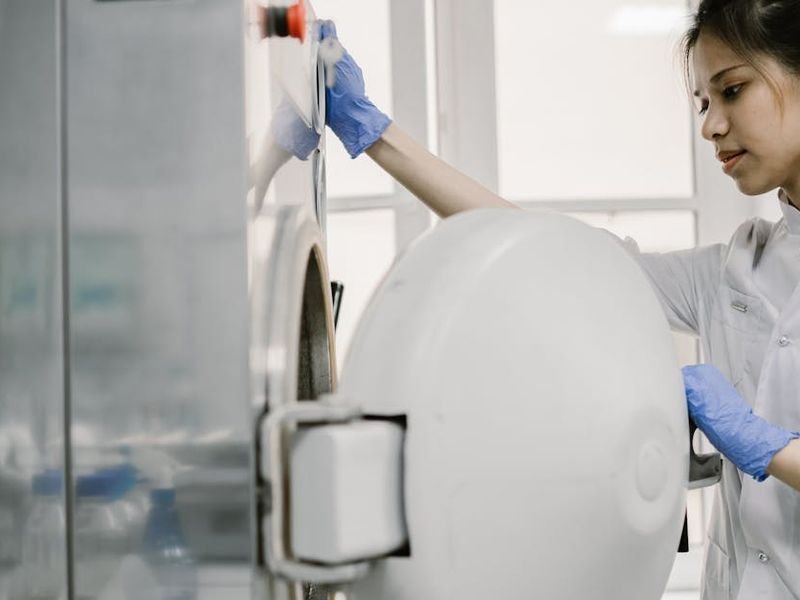
Modern clinics in Cuenca follow sterilization protocols, but it’s reasonable to ask questions: Do they use autoclaves? Do they have single-use disposables for needles and burs? Are X-rays digital? Requesting to see the sterilization area or certifications is common and acceptable. Many clinics also participate in continuing education, and several dentists have completed postgraduate studies either in Ecuador or abroad.
If you’re pursuing implant work, inquire about the implant system and warranty, as well as whether the clinic collaborates with an implantologist or oral surgeon for complex cases.
Where to Get Local Help and Resources
If you’re new to Cuenca, local expat groups, Facebook communities, and forums such as local expat pages often have updated recommendations. The city also has health-focused organizations and lists of registered medical and dental professionals. Popular meeting spots like the area around Parque Calderón and the banks of the Tomebamba are home to many services and clinics, making it easy to compare a few options in person.
Common Pitfalls to Avoid
When seeking dental care abroad, avoid these common mistakes:
- Choosing solely on price—quality and materials matter for long-term outcomes.
- Not getting a written treatment plan with timelines and costs.
- Failing to ask about follow-up care—know who to contact if complications arise after you leave Cuenca.
- Skipping a second opinion for major work like multiple implants or full-mouth reconstructions.
Putting It Together: A Sample Plan for a Dental Visitor
Here’s a practical sample itinerary for someone traveling to Cuenca for a crown and a cleaning:
- Day 1: Arrival and acclimatization, brief consultation and X-rays in the afternoon.
- Day 2: Deep cleaning and provisional treatments if needed.
- Day 3: Tooth preparation and impression for crown; temporary crown placed.
- Days 4–7: Free days for sightseeing (Parque Calderón, museums, local markets).
- Day 8: Crown placement and final adjustments.
- Follow-up: A brief check after one week to ensure fit and comfort.
Final Checklist Before You Book
Use this checklist to prepare for dental care in Cuenca:
- Get X-rays and a summary of your dental history from home.
- Contact 2–3 clinics for quotes and ask about materials, timelines, and guarantees.
- Confirm language options, payment methods, and whether English-speaking staff are available.
- Plan travel and accommodation around your treatment schedule and allow time to recover.
- Ask for written aftercare instructions and contact details for emergencies.
Cuenca offers a unique blend of affordable dental care and a welcoming environment for visitors. With proper planning—choosing a reputable clinic, understanding timelines and costs, and following aftercare advice—you can get excellent dental treatment and enjoy the charms of this historic Andean city at the same time.