
Table of Contents
Why Cuenca’s historic centre matters
Cuenca’s historic centre, declared a UNESCO World Heritage site in 1999, is one of Latin America’s best‑preserved colonial cities. Here narrow cobbled streets, red‑tiled roofs and soaring church domes form a living textbook of Spanish urban planning blended with Andean traditions. The result is an architectural tapestry that’s both photogenic and authentic—ideal for travelers who love history, design, and slow exploration.
The signature sights you can’t miss
Start with the essentials: the New Cathedral (Catedral de la Inmaculada Concepción) with its vivid blue domes, the vaulted aisles and impressive stonework; the Old Cathedral (often called El Sagrario) with its intimate chapel spaces; and Plaza de San Sebastián, a smaller plaza that reveals quieter colonial street life. But Cuenca’s charm spreads beyond a few monuments—residential facades, bridges over the Tomebamba River, and hidden courtyards make up the soul of the historic centre.
The New Cathedral and the blue domes
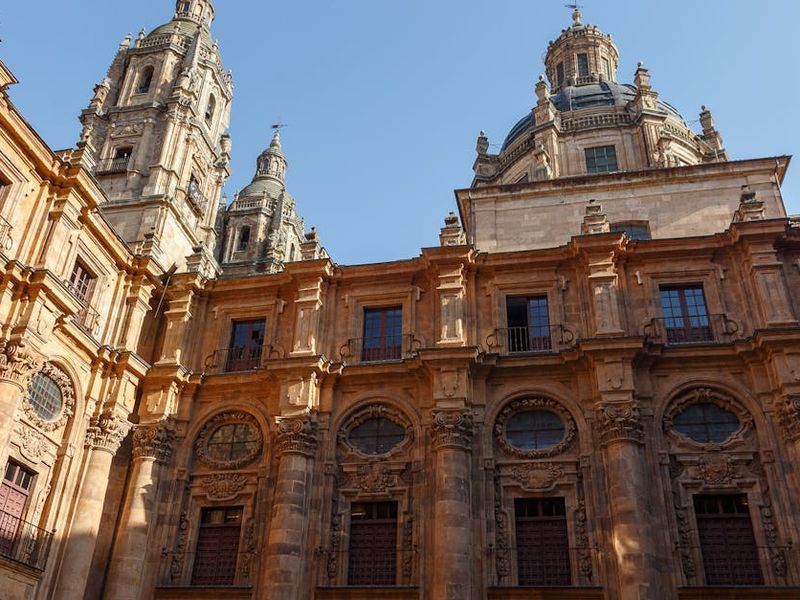
The New Cathedral dominates the skyline. Its distinctive cobalt domes are visible from many viewpoints and make for eye‑catching photos at sunset. While much of the interior reflects neoclassical influences, the cathedral’s scale and detail reflect decades of craftsmanship and the city’s role as an ecclesiastical center. If you have the stamina, climb one of the towers for panoramic views over the city and the surrounding Andean foothills.
El Sagrario and smaller churches
El Sagrario, San Sebastián, Santo Domingo and other parish churches reward a more patient visitor. These sites often have richly carved altarpieces, polychrome sculptures and tiled floors that reveal colonial and baroque traditions adapted to local materials and indigenous artistry. Many churches remain active worship spaces—attending a mass or vigilia can be as revealing as a museum visit.
Beyond the churches: plazas, bridges and neighborhoods
Cuenca’s layout reflects Spanish grid planning, but the city’s rivers and ravines create dramatic terraces and viewpoints. The Tomebamba River cuts through the historic centre, and walking along its banks—especially the Barranco area—provides some of the most cinematic perspectives of the city. The so‑called Puente Roto (Broken Bridge), the new pedestrian bridges lined with flowers, and the riverside promenades all point to how nature and urban design coexist here.
Plaza Calderón and Calle Larga
Plaza Calderón is the civic heart of the historic centre. From here you can branch onto Calle Larga, a long pedestrian street lined with shops, galleries and cafés. Early morning and late afternoon are the best times to experience the plaza—local life wakes early and many businesses close briefly in the hottest midday hours.
Miradors and rooftops
For sweeping views, make a pilgrimage to Turi (the hilltop viewpoint) or seek out rooftop terraces and hotel patios in the historic core. Many boutique hotels and restaurants offer rooftop access—perfect for a late afternoon coffee or evening drink as the domes and tiles glow in warm light. Keep an eye on the weather, though: mountain skies can change quickly.
Museums and interior highlights that deepen the story
To move from façades to context, plan visits to a few museums. Museo Pumapungo is a must for archaeology and anthropology, with exhibits that connect Cuenca’s colonial fabric to pre‑Hispanic cultures and the Inca presence in the region. The Museo las Conceptas (a convent museum) and several municipal galleries offer intimate looks at religious art, colonial domestic life and evolving urban aesthetics.
Hidden courtyards and converted houses
One of the pleasures of Cuenca is discovering interior courtyards tucked behind unassuming doorways. Many colonial homes have been converted into boutique hotels, cafes, and craft shops—these adaptions showcase traditional timber balconies, carved lintels and inner patios planted with bougainvillea. If you’re curious, ask permission before entering private courtyards; many owners welcome respectful visitors and will share the building’s history.
Walking routes: practical itineraries for architecture lovers
Cuenca’s compact centre is perfect for walking. Here are three tested routes based on time and interest.
Half‑day essentials (2–4 hours)
- Begin at Plaza Calderón to view the New Cathedral and surrounding buildings.
- Walk down Calle Larga toward El Sagrario, stopping at artisan shops.
- Head to the Tomebamba riverside and stroll the Barranco terraces.
- Finish at a café with a view of the blue domes.
Full‑day deep dive
- Start early at Museo Pumapungo to avoid crowds and learn historical context.
- Explore the churches—El Sagrario, San Sebastián and Santo Domingo—taking time for interiors.
- Lunch in the historic core, then a riverside walk and visit to small galleries.
- Afternoon climb to Turi for sunset; return for dinner in the historic district.
Two‑day architecture focus
- Day 1: Monumental churches, Pumapungo and Barranco exploration.
- Day 2: Neighborhoods like San Sebastián and the artisan quarter, plus museum visits and rooftop bars in the evening.
Practical tips for a smooth visit
Cuenca sits at approximately 2,560 meters (8,400 feet) above sea level—altitude, weather and cobbles affect how you should pack and plan. Here are practical tips gleaned from long walks in the city.
Shoes, clothing and weather
Bring comfortable, broken‑in walking shoes—the historic centre’s cobbles are charming but uneven. Mornings and evenings can be cool, even in summer; a light jacket and layered clothing are wise. Mountain weather is unpredictable: carry a compact rain jacket or umbrella year‑round because afternoon showers can pop up unexpectedly.
Money, tickets and opening hours
Cuenca uses the US dollar. Carry small bills and coins for museum tickets, market purchases and tips—some small vendors do not accept cards. Many museums and churches have modest entrance fees; check opening hours in advance because they can vary, especially on religious holidays. If you want tower access at the cathedral, inquire about fees and times at the tourist information desk nearby.
Getting around and accessibility
The historic core is highly walkable; taxis are inexpensive for longer hops. Ride‑hailing apps exist, but flagging a licensed taxi on the street works fine for most travelers. Note that cobbled streets and steep sections can be challenging for wheelchair users—ask ahead to confirm accessible museum entrances or consider hiring a private driver for a more comfortable route.
Photography, etiquette and preservation
Cuenca’s architecture invites photography, but respectful practices protect both the sites and local communities. Inside churches and small museums, flash photography is often restricted—look for signage or ask staff. Avoid entering private homes or courtyards without permission. When photographing people, especially vendors or worshipers, always ask first and offer a small tip if you take a posed shot.
Sustainable tourism practices
Preservation is a community priority. Stick to marked paths, don’t sit on fragile stonework, and avoid touching delicate altarpieces and textiles. Support local artisans by buying crafts from registered workshops and cooperatives; this helps maintenance and community programs aimed at conserving the historic core.
Where to stay for architecture lovers
Choose accommodation in restored colonial houses or boutique hotels in the historic center to wake up amid original woodwork, inner courtyards and tile roofs. Staying centrally saves time and allows dawn and dusk exploration when light is best and streets are quieter. If you prefer a quieter perch, the San Sebastián neighborhood offers atmospheric streets within a short walk of main attractions.
Seasonal considerations and festivals
Cuenca’s calendar is rich with religious and cultural events that enliven the historic core. Holy Week, Corpus Christi and local patron saint festivals bring processions, temporary altars and decorative street displays. These events are wonderful for experiencing living traditions, but expect museums to have altered hours and plazas to be busier—plan accordingly and book accommodations early if you’ll be in town during a major celebration.
Final thoughts: read the city like a book
Cuenca’s UNESCO status is well deserved, but the city’s real delight lies in its layered details: carved cornices that trace family histories, tiles patched over generations, and bridges that frame the river differently at every hour. Approach the historic core slowly—spend time in a plaza, follow an unmarked alley, chat with a craftsperson. The architecture tells a story of continuity and change, and the best way to appreciate it is on foot, with curiosity and respect.
Whether you’re a first‑time visitor or returning for another look, the historic centre of Cuenca rewards patient observation. From luminous domes to quiet courtyards, the city is an architecture lover’s laboratory—rich with lessons on colonial urban design, local adaptation, and the everyday rhythms that keep heritage alive.