
Table of Contents
Why timing matters when planning a trip to Cuenca
Cuenca is one of Ecuador’s most beloved destinations—an Andean city with colonial charm, lively markets, and easy access to páramo and cloud forest landscapes. Because it sits at about 2,560 meters (8,400 feet) above sea level, Cuenca’s climate and seasonal rhythms shape what you can do and how you should prepare. Picking the right time to visit will affect your experience of hiking in El Cajas, browsing artisan shops, joining local festivals, and even how crowded museums and restaurants feel.
Quick summary: Best months at a glance
If you want a short answer: June through September are the clearest, driest months—ideal for hiking, photography, and outdoor day trips. October through May is the rainy season, with more green landscapes, fewer tourists, and lower prices. Shoulder months (March/April and September/October) offer a balance of good weather and fewer crowds, but watch for holidays like Semana Santa when the city fills up.
Understanding Cuenca’s climate and microclimates
Cuenca enjoys a temperate, spring-like climate year-round thanks to its elevation. Daytime temperatures are generally pleasant—often in the mid-teens to low twenties Celsius—while nights can be cool. Rain tends to fall in short, intense bursts rather than all-day downpours during much of the wet season, and the sun can be strong even on cool days because the UV index is high at altitude.
Microclimates matter. The historic center along the Río Tomebamba is sheltered and often drier than higher surrounding hills like Turi. Just a short drive into the páramo of El Cajas National Park brings dramatic temperature swings and windier, colder conditions. Always check local forecasts for the specific area you plan to visit.
Seasonal pros and cons: what to expect
Dry season (June–September)
Pros: Clear skies, stable weather for hiking and photography, and spectacular views across the Andes. Trails in El Cajas and at nearby attractions like Ingapirca are at their best. This is high season for outdoor activities.
Cons: Higher prices for accommodation, more tourists, and busier day-trips. If you want solitude or lower costs, this isn’t ideal.
Wet season (October–May)
Pros: Lush green landscapes, abundant waterfalls, fuller mountain lakes, and lower prices. The rain can cool things off after a hot day and makes the countryside dramatic and photogenic. Fewer tourists in the city center mean shorter lines at museums and restaurants.
Cons: Afternoon showers are common—which can make hiking muddy or limit visibility. Road travel to remote areas may be slower because of wet roads or occasional landslides. Holiday windows (Holy Week, Christmas/New Year) still attract crowds and higher rates.
Festivals and local rhythms to plan around
Cultural events will influence the best time to visit depending on your interests. Religious and civic holidays—like Semana Santa (Holy Week in March/April) and December festivities—bring many Ecuadorians to Cuenca and can make the city lively but crowded. Local markets, artisan fairs, and cultural events happen year-round; if a specific festival matters to you, check the calendar and book early.
Keep in mind that public holidays across Ecuador can mean increased domestic travel. If you want to avoid long lines and full buses, avoid major holiday weekends unless you plan to join the celebrations.
Outdoor activities by season: what to choose and when
Hiking and trekking
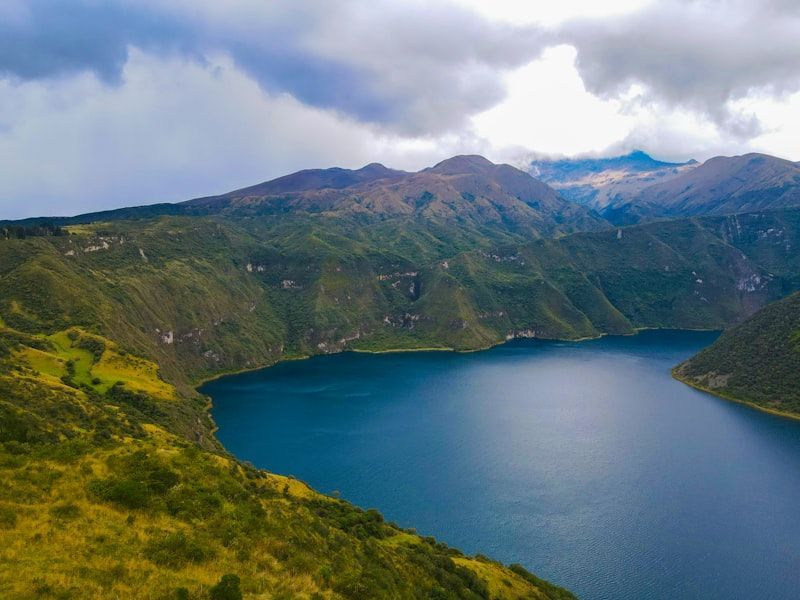
Hiking in El Cajas National Park is best in the dry months (June–September) when trails are easier to navigate and scenery is crisp. However, visiting in the rainy season yields vibrant mosses, full lagoons, and dramatic cloud cover—great for moody landscape photography. If you’re trekking over multiple days, aim for dry months to reduce the risk of very wet gear.
Birdwatching and nature tours
Cuenca is a gateway to cloud forests and páramo habitats where bird diversity is excellent year-round. Dry months generally make accessing remote lodges and trails easier, but the wet season can bring breeding activity and an abundance of food that attracts many species. Bring waterproof gear and a good pair of binoculars whenever you go.
Cultural exploration and city sightseeing
City attractions—museums, cafés, artisan shops, and the historic center—are enjoyable any time of year. If you want to avoid crowds at popular sights like the Cathedral or Museo Pumapungo, plan mid-week visits and early mornings. Rainy afternoons are a perfect time for museums and tasting local food at the central market.
Practical packing list and what to wear
Layering is essential. Mornings can be cool, afternoons sun-warm, and evenings brisk. Pack a lightweight fleece or sweater, a breathable long-sleeve shirt, and a waterproof, breathable jacket. Comfortable walking shoes with good traction are a must—some cobblestone streets and rural trails get slippery after rain.
- Waterproof jacket and pack cover
- Sun protection: high-SPF sunscreen, hat, sunglasses
- Sturdy walking shoes or light hiking boots
- Warm layer for evenings (fleece or down vest)
- Reusable water bottle (stay hydrated at altitude)
- Small daypack for excursions
- Power adapter and portable charger
Health, altitude, and safety tips
At roughly 2,560 m, Cuenca’s altitude can affect visitors differently. Symptoms of mild altitude sickness include headache, fatigue, shortness of breath, and trouble sleeping. To reduce risk, take it easy on arrival, avoid heavy exercise for the first 24–48 hours, drink plenty of water, and consider eating lighter meals. Many locals recommend coca tea for mild relief—it’s widely available in cafes and markets. If you have medical conditions, consult your physician before travel.
Tap water in Cuenca is treated in many parts of the city; many visitors drink it without issue. If you have a sensitive stomach, stick to bottled water or boiled water during your first days. Travel insurance is recommended, especially if you plan to engage in high-altitude trekking or adventure sports.
Where to stay: neighborhoods and vibe
El Centro Histórico is the most popular area—walking distance to Parque Calderón, museums, and cathedral views. Staying here puts you at the heart of colonial architecture and artisan shops. If you prefer quieter, residential streets, consider neighborhoods just across the river where you’ll find charming guesthouses and local cafés. For hilltop views and a more scenic outlook, lodgings near the Mirador Turi offer panoramic vistas of the city.
Booking in the dry season can require more advance planning. If you’re traveling during high season or major holidays, reserve hotels and tours at least a few months in advance.
How to get to Cuenca and get around
Cuenca’s airport, Mariscal La Mar (IATA: CUE), receives domestic flights from Quito and Guayaquil and occasional international charters. Long-distance buses connect Cuenca to cities throughout Ecuador; services are frequent and comfortable. Within the city, taxis are affordable—choose registered taxis or arrange rides through hotel reception. Walking is often the best way to explore the historic center; many attractions are compact and pedestrian-friendly.
Day trips to El Cajas, Ingapirca (Inca ruins), and local markets usually start early in the morning. If you plan to rent a car, be prepared for narrow mountain roads and variable weather; many visitors prefer guided tours for convenience and local knowledge.
Sample itineraries by season
3-day winter/dry-season escape (June–September)
- Day 1: Stroll Parque Calderón, climb to the cathedral balconies at sunset, and enjoy rooftop views over the blue domes.
- Day 2: Full-day hike in El Cajas National Park, photograph highland lagoons, and watch for rheas and waterfowl.
- Day 3: Explore artisan markets, visit Museo Pumapungo, and shop for a handwoven Panama hat before departure.
5-day green-season discovery (October–May)
- Day 1: Arrive, acclimatize, and wander the city at a relaxed pace—sample local soups in the central market.
- Day 2: Morning visit to Ingapirca ruins, an afternoon in the thermal baths nearby to warm up after cool mountain air.
- Day 3: Birding tour to nearby cloud forest reserves, where wet-season activity draws many species.
- Day 4: Day trip to a craft village—watch artisans weave and purchase straw hats and ceramics.
- Day 5: Museum morning and final walk along the Río Tomebamba before departure.
Money, costs, and avoiding tourist pitfalls
Cuenca is generally affordable compared with many North American or European cities, but prices rise during the dry season and holidays. Eating at local markets and small fondas saves money and gives a taste of Ecuadorian home cooking. Haggling is customary in artisan markets—be respectful and negotiate politely. Use ATMs in well-lit areas or bank branches; small vendors often prefer cash, while many restaurants accept cards.
Photography tips and best light
For classic shots of Cuenca, aim for early morning or late afternoon when the light softens and the cathedral domes glow. The dry season offers the clearest skies for panoramic photos, but the wet season’s dramatic clouds can make moody landscapes. Pack a lightweight tripod if you plan low-light or long-exposure shots along the river and in the historic center.
Final decision: when should you go?
Your ideal time to visit Cuenca depends on priorities. If you want the clearest hiking conditions, choose June through September. If you prefer green landscapes, lower prices, and fewer tourists, the wet season (October–May) will suit you—just be ready for afternoon showers. If you want a middle ground, target shoulder months when festivals are fewer and the weather can be pleasantly unpredictable.
No matter when you travel, Cuenca’s charm—the melody of church bells, river walks, artisan workshops, and mountain views—shines year-round. With the right packing choices, a little altitude awareness, and flexibility around afternoon showers, you can have an unforgettable visit any season.
Quick checklist before you go
- Check local holiday dates and book accommodation in advance for peak times.
- Pack layers, waterproofs, and sun protection.
- Plan at least one full day for El Cajas and one for cultural exploration in the city.
- Hydrate on arrival and take it easy the first day to adapt to altitude.
- Carry cash for markets, and bring a good camera for the views.
With these pointers, you’ll be ready to choose the best time to visit Cuenca for the activities and atmosphere you value most. Buen viaje—enjoy discovering Ecuador’s southern highlands.