
Table of Contents
Why your post-dental snack matters — and how bakeries can help
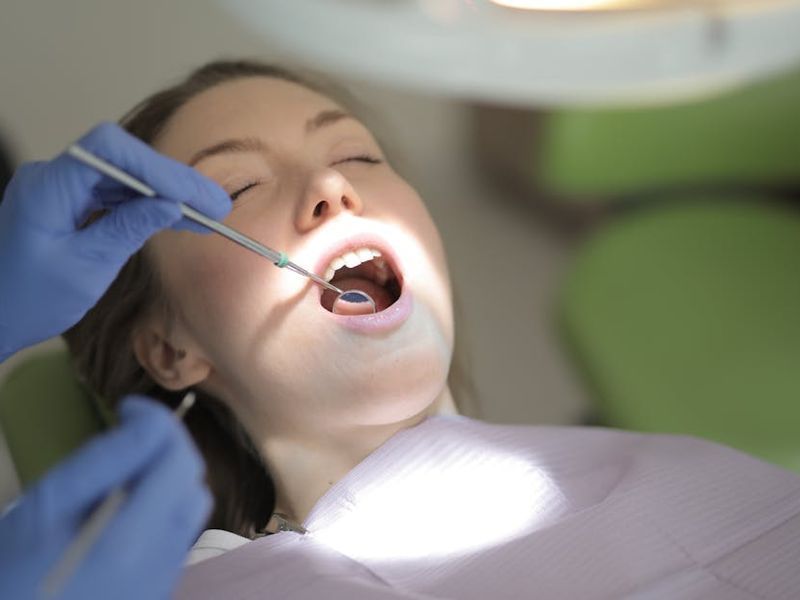
After an extraction, filling, crown, or even a routine deep cleaning, your mouth will have different needs. Swelling, tenderness, temporary numbness, and sensitivity to hot or cold are common. The wrong food can irritate sutures, lodge in gaps, or simply be too painful to chew. That’s where Cuenca’s bakeries become unexpectedly valuable: they offer a wide range of soft, comforting, ready-to-eat options—breads, cakes, and custards—that are easy to eat and full of flavor.
What to look for in a dental-friendly bakery snack
Before listing where to go, let’s be clear about the qualities that make a bakery item safe and soothing after dental work:
- Texture: soft, moist, and not overly chewy. Avoid hard crusts, seeds, and crunchy toppings.
- Temperature: room temperature or cool is best right after treatment—hot foods can cause burns if your mouth is numb and may increase swelling.
- Stickiness: sticky candies, gooey caramels, or anything that clings to teeth and sutures should be avoided for at least a few days.
- Size and bite: items that can be broken into small, manageable pieces help you avoid excessive chewing.
- Nutrition: look for options with protein or healthy fats (e.g., soft cheese, avocado, or eggs) to help your body heal.
Types of Cuencan bakery items that are gentle on your mouth
Cuenca bakeries produce a rich mix of European-style pastries and Ecuadorian classics. Here are categories that are especially suitable after dental work:
- Soft rolls and milk bread (pan de leche, brioche-style): light, slightly sweet, and often very soft—perfect for small bites.
- Pan de yuca: a small cheese bread made with yuca flour; chewy but soft—good if you can comfortably chew without pressure on surgical sites.
- Mantecadas, queques, and sponge cakes: moist cakes that crumble easily and are easy to swallow.
- Cremas, flans, and custards (crema volteada): silky, cool, and ideal for the first 24–48 hours.
- Puddings and bread puddings (budín): comforting and soft with good flavor variety.
- Soft savory pastries with cheese or soft protein fillings: avoid crunchy pastry shells and opt for soft doughs.
- Yogurt parfaits and chilled dessert cups: many bakeries sell these or partner with nearby cafés.
Where to find the best gentle bakery options in Cuenca
Instead of naming only a handful of shops, it helps to know which neighborhoods and types of bakeries in Cuenca are most likely to carry soft, dentist-friendly choices. Here are practical places to explore:
Historic center (El Centro, around Parque Calderón)
The Historic Center is lined with small bakeries that blend Ecuadorian and European baking traditions. Pop into a corner panadería early in the morning to find fresh pan de leche, queques, and flan. These shops often make several batches a day—ask for a just-baked soft roll and request they trim the crust for you.
San Sebastián and El Vergel neighborhoods
Near artisan markets and galleries, bakeries here tend to offer artisanal sponge cakes and creamy desserts. They’re also more likely to produce smaller, individual dessert cups—excellent for portion control when you’re nursing a sore mouth.
Near hospitals and dental clinics (Avenida de las Américas, Avenida 12 de Abril)
Bakeries close to medical centers often stock a rotating selection of simple, gentle foods—soft breads, yogurt cups, and creams—because patients and staff need easy-to-eat options. If you’ve had work done nearby, these spots are convenient for a quick, safe treat.
Markets and feria stands (Mercado 9 de Octubre, Feria Artesanal)
Market stalls can be treasure troves for homemade custards, arroz con leche (rice pudding), and soft baked goods sold in small portions. The freshness and homestyle quality make these options especially comforting.
Specific items to order and how to ask for them
Knowing what to say can make a big difference. Here are safe items to request and simple Spanish phrases to help you communicate your needs:
- “Un pan de leche, por favor, sin corteza” — a milk roll without crust. Ask the baker to remove crust if you want less chewing.
- “¿Tienen crema volteada o flan?” — do you have flan? A cool custard is ideal on the first day.
- “Un queque pequeño, húmedo” — a small, moist sponge cake. Moist cakes break down easily in the mouth.
- “¿Hay budín o arroz con leche en vasito?” — Is there bread or rice pudding in a cup? Easy to spoon and swallow.
- “¿Tienen pan de yuca recién hecho?” — if you tolerate a little chew, pan de yuca can be filling and satisfying.
Polite requests like “por favor” and “¿me lo puede cortar en bocados pequeños?” (can you cut it into small bites?) will often earn you a helpful response. Don’t be shy about explaining you just had dental work—bakers and staff are used to accommodating dietary needs.
Smart combinations: pairing bakery items with healing foods
Bakeries aren’t just for sweets—many offer items that pair well with soft proteins and fluids. Consider these gentle combinations that provide comfort and nutrients:
- Soft roll + mashed avocado or queso fresco: healthy fats and calcium without extra chewing.
- Moist sponge cake + Greek-style yogurt: adds protein and keeps the bite easy to swallow.
- Flan or crema tete + a spoonful of soft fruit compote (banana or cooked apple): gentle fiber and flavor without seeds.
- Pan de yuca + a small cup of warm but not hot milk: filling and easy to manage, but avoid if milk is irritating.
- Bread pudding + soft stewed pears or peaches: natural sweetness and moisture.
Storing and reheating bakery goods safely
If you buy in bulk or want a snack later, here’s how to keep items at their softest and safest:
- Store cakes and custards in the refrigerator, especially in Cuenca’s cool climate; custards should be kept chilled and consumed within 48–72 hours.
- Reheat bread and rolls gently: wrap in a damp paper towel and microwave for 10–20 seconds to restore softness. Avoid high heat that hardens crusts.
- For oven reheating, use low temperature (120–150°C) for short bursts to warm without drying.
- Keep sticky toppings separate until you’re ready to eat to avoid mess and reduce the chance of food sticking to teeth or surgical sites.
When to avoid bakery treats and what to choose instead
There are situations where most baked goods should be avoided:
- Immediately after an extraction with sutures: focus on cool, liquid, or spoonable foods (soups blended smooth, yogurt, custard) for the first 24–48 hours.
- If you have a fresh crown or temporary restoration that could be dislodged: avoid hard or chewy items for a few days.
- When you have numbness from anesthesia: avoid hot bakery items to prevent burning and avoid accidental biting of cheeks or tongue.
When bakery items aren’t appropriate, consider soft alternatives available at Cuenca cafés or markets: blended soups (crema de zapallo or crema de zanahoria), pureed vegetable options, chilled smoothies made without seeds, and high-protein yogurt drinks (batidos proteicos).
Dietary considerations: sugar, allergies, and nutrition
Dental pain and healing don’t remove the need to monitor sugar and nutrition. Here’s how to balance pleasure and health:
- Diabetics: choose low-sugar sponge cakes or small portions of custard. Ask if the bakery offers sugar-free options; some artisanal bakeries can accommodate requests.
- Nut allergies: avoid pastries with visible nuts and ask if cross-contamination is possible—many bakeries handle nuts in the same workspace.
- Protein needs: pair a small baker’s item with soft protein—cottage cheese, soft scrambled egg, or a yogurt—to balance carbohydrates and support healing.
Timing your bakery visits for the best picks
To get the freshest, softest items, timing matters in Cuenca:
- Early morning (7–9am): best for freshly baked rolls, pan de yuca, and morning cakes—bakeries often bring out their first batches.
- Mid-afternoon (2–4pm): many bakeries release a second wave of cakes and custards; good time for flan and pudding cups.
- Avoid late at night for delicate items—while some shops remain open, stock may be less fresh.
Practical Spanish phrases to make your visit easier
Here are a few short phrases to help you order exactly what you need:
- “Acabo de salir del dentista, ¿tiene algo suave y frío?” — I just left the dentist; do you have something soft and cool?
- “¿Podría cortarlo en trozos pequeños, por favor?” — Could you cut it into small pieces, please?
- “¿Esto tiene nueces o semillas?” — Does this have nuts or seeds?
- “Me lo llevo para comer ahora — ¿puede envolverlo para llevar?” — I’m eating this now; can you wrap it to go?
Final tips for enjoying Cuenca’s bakery scene while recovering
Cuenca’s bakeries offer a comforting bridge between necessity and pleasure during dental recovery. Treat yourself to a silky flan or a soft milk roll, but listen to your body: if a bite causes sharp pain, stop and try something softer. Keep snacks small and nutrient-minded, stay hydrated (but don’t use straws after extractions), and take advantage of the friendly, accommodating staff at local panaderías—many will happily trim crusts or pack custards in spill-proof containers for you.
With a little planning—choosing the right neighborhoods, asking the right questions, and selecting gentle textures—you can enjoy some of Cuenca’s best baked flavors without interrupting your healing. Buen provecho y pronta recuperación!