
Table of Contents
Quick overview: Which option fits you?
Travelers heading between Quito and Cuenca have three solid choices: a short domestic flight, a long-haul interprovincial bus, or a self-driven road trip. Each option balances time, cost, comfort and the chance to soak in the Andean landscapes. This guide breaks down what to expect, gives practical tips for each mode, and suggests memorable stops on the way to Cuenca’s UNESCO-listed center.
At-a-glance comparison
- Flight: Fastest (about 45–60 minutes in the air), more expensive, best for saving time.
- Bus: Cheapest and most common—expect an 8–10 hour ride with a variety of service levels.
- Driving: Most flexible and scenic—roughly 7–9 hours of driving depending on stops and traffic.
Flying: When speed matters
Domestic flights connect Quito’s Mariscal Sucre International Airport (UIO) with Cuenca’s Mariscal Lamar Airport (CUE). Air time is short—typically under an hour—so traveling door-to-door (including airport transfer and check-in) still saves multiple hours over the bus.
Who should fly?
If you’re short on time, have limited vacation days, or want to avoid long hours on a bus or behind the wheel, a plane is the right choice. Flights are also a smart pick for older travelers who prefer fewer road bumps and less overnight travel.
Practical details
- Book early for the best fares—bookings a few weeks out often yield lower prices.
- Carry-on luggage rules vary by carrier; double-check allowances to avoid extra fees.
- From Cuenca’s airport you’ll need a 20–30 minute taxi ride to the historic center; agree on a price or use regulated airport taxis.
Bus: The budget-friendly classic
Buses are the most popular method for locals and many expats. The ride takes you across central highland landscapes, through small towns and mountain passes. Expect 8 to 10 hours depending on the service, route, and traffic.
Terminals and ticketing
In Quito, most long-distance buses to the south depart from the Quitumbe terminal in the south of the city — a large hub with ticket counters and small shops. In Cuenca, buses arrive at the city’s main terminal where taxis and local buses can take you into the centro histórico.
Types of buses and fares
Buses range from simple economy coaches to executive classes with more legroom, Wi-Fi, and onboard restrooms. Overnight buses are common and offer reclining seats that help you sleep through much of the journey. Fares are generally the cheapest option; expect a wide range depending on service level, but they are typically affordable for budget-conscious travelers.
Tips for a comfortable bus trip
- Bring a neck pillow, layers, and earplugs—buses can be chilly at altitude and noisy.
- Keep valuables in your carry-on and close to you; keep a photocopy of your passport or ID.
- Buy tickets in advance during holidays and long weekends—buses fill quickly.
Driving: The scenic, flexible option
Driving gives you freedom to stop for photos, detours and local food. The roughly 450–500 km route winds along the Pan-American corridor and through mountain valleys. Nonstop driving time is usually 7–9 hours depending on traffic and how many stops you take.
Route overview
The main road is part of the Pan-American (E35) as it heads south from Quito to Ambato, Riobamba, then continues toward Alausí and on to Cuenca. Roads are paved and generally in decent condition, but mountain driving can include steep gradients, hairpin turns and variable weather—especially in the rainy season.
Car rental tips
- Book through a reputable agency (international brands and local companies operate at Quito airport).
- Choose a car with good clearance—if you plan detours on secondary roads, an SUV makes sense.
- Confirm insurance coverage and whether you’re allowed to cross provincial borders or use gravel roads.
- Factor in fuel, tolls and parking fees; tolls are few but exist on principal highways.
Safe driving practices
Drive during daylight whenever possible. Mountain weather can change quickly—fog, rain and high winds are common in certain stretches. Watch for buses, trucks and livestock near the road, and be cautious when overtaking on narrow stretches. Keep a physical map or downloaded offline maps in case mobile service drops.
Scenic stops and detours worth the time
One of the joys of land travel is the ability to pause and explore. Here are a few places that make great stops between Quito and Cuenca:
- Ambato: A pleasant market town famous for food and local crafts; a good place for a coffee break or lunch.
- Riobamba & Chimborazo views: Riobamba makes a convenient stop, and nearby viewpoints offer dramatic looks at Chimborazo (on a clear day).
- Alausí and the Devil’s Nose (Nariz del Diablo): If you have extra time, the train experience here is legendary—one of Ecuador’s most famous scenic railways.
- Cajas National Park: Just outside Cuenca, this park offers short hikes among páramo lakes and moorlands; it’s a cool, bracing contrast to the city.
Arriving in Cuenca: Where to go and what to expect
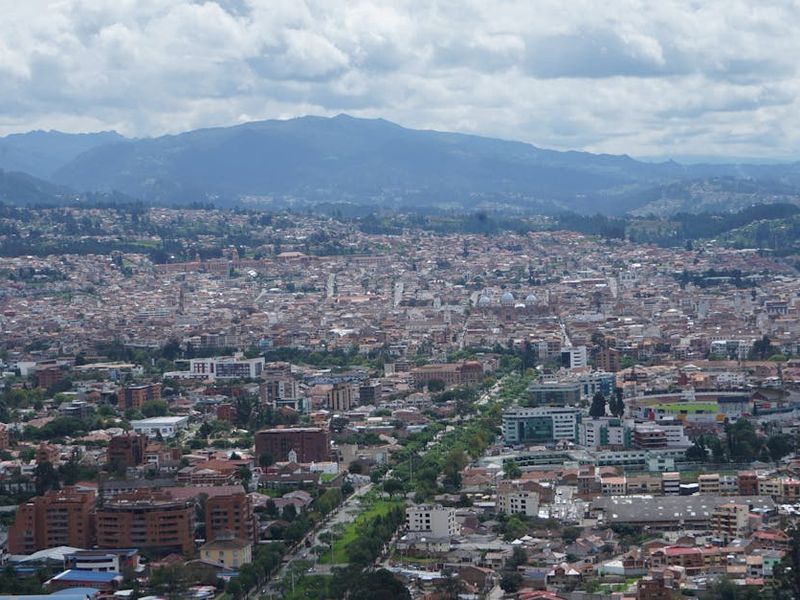
Cuenca is one of Ecuador’s most beloved cities—its historic center is a UNESCO World Heritage site with cobbled streets, colonial architecture, leafy plazas and the Tomebamba River’s scenic banks. Whether you arrive by plane, bus or car, you’ll quickly notice the city’s walkable, relaxed vibe.
Getting from the bus terminal or airport
Taxis are plentiful and inexpensive compared to many countries; agree on a fare before getting in or use a regulated taxi stand. If you flew in, the airport is close to the city but limited in services—plan your transfer in advance if you don’t want to wait for a taxi.
Exploring Cuenca
Once you’re settled, don’t miss Plaza Calderón for a first stroll, the Catedral Nueva with its striking blue domes, and the riverside paths along Tomebamba. For museums and craft shopping, visit the Museum of Modern Art, the Panama Hat factories and the local artisan markets. The city’s gastronomic scene has also grown—try traditional dishes like hornado (roasted pork) or llapingachos (potato cakes) in neighborhood eateries.
Practical money and timing tips
Ecuador uses the US dollar, so cash planning is straightforward. For travel days, carry small bills for taxis, snacks and tips. If you’re traveling by bus overnight, pack a small day bag with essentials (medications, phone charger, documents) so you don’t have to access your main luggage on a moving bus.
Best timing and seasonal considerations
Weather in the highlands can be unpredictable—clear mornings can turn rainy in the afternoon. The dry season (usually late June through September) offers more reliable road conditions and clearer views. Holiday periods see busy terminals and pricier fares, so book ahead if you plan to travel around national holidays.
Safety and health considerations
Overall, traveling between Quito and Cuenca is routine for locals and visitors alike, but common-sense precautions help. Keep valuables secure, avoid driving at night if possible, and be aware of your surroundings in crowded hubs. Altitude can affect people differently—drink water, move slowly when you arrive, and avoid heavy exertion for the first day or two if you feel any effects.
Which option should you pick?
Choose a flight if you value time and comfort, especially for short itineraries or if you prefer to maximize time in Cuenca. Pick a bus if you’re budget-focused and want a no-frills, straightforward travel day. Take a car if you crave freedom to explore smaller towns, scenic detours and national parks at your own pace.
Final tips for a smooth trip
- Buy bus tickets or flight seats in advance during peak travel times.
- Pack layers—temperatures vary dramatically between valleys and peaks.
- Charge devices and have offline maps ready; cell service can be patchy in the mountains.
- Allow extra time for connections—traffic or weather can add an hour or two on mountain routes.
- If driving, keep a printed copy of your rental agreement and insurance details and note emergency numbers.
Whether you fly over the Andes, sleep on an overnight coach, or take a leisurely road trip through highland towns, traveling from Quito to Cuenca is an experience that introduces you to Ecuador’s diverse landscapes and rich culture. Plan according to your priorities—speed, budget, comfort or discovery—and you’ll be enjoying Cuenca’s charm in no time.