
Table of Contents
Introduction: Dental Tourism and Why Cuenca Stands Out
If you’re researching where to get high-quality dental implants, crowns, or veneers without breaking the bank, Cuenca, Ecuador deserves a top spot on your list. More than just an attractive colonial city full of parks and museums, Cuenca has quietly become one of the world’s best destinations for dental tourism. By choosing Cuenca you can expect dramatic cost savings (often 60–70% compared to U.S. and Canadian prices), access to highly trained dentists, modern clinics with the latest technology, short wait times, personalized care, and the chance to combine your dental treatment with a relaxing, scenic recovery.
Massive Savings: How Much You Can Expect to Save
One of the biggest reasons people travel to Cuenca for dental care is price. Dental implants, crowns, and veneers in the U.S. and Canada commonly carry sticker prices that make patients hesitate. In Cuenca, comparable treatment plans are typically 60–70% less expensive. To give you practical examples:
- Single dental implant (including implant, abutment, and crown): U.S./Canada $3,000–$6,000 vs. Cuenca $800–$1,500.
- All-ceramic crown: U.S./Canada $800–$2,000 vs. Cuenca $200–$500.
- Porcelain veneers (per tooth): U.S./Canada $900–$2,500 vs. Cuenca $250–$600.
These ranges depend on materials, brand of implant, and clinic reputation, but the bottom line is the same: in Cuenca you can often get the same or better dentistry for a fraction of the price. Many people use the savings to upgrade materials (e.g., premium zirconia crowns or well-known implant brands like Straumann or Nobel) and still spend far less than at home.
World-Class Clinicians and Advanced Training
Cuenca’s dentists are frequently trained at leading dental schools in Ecuador and abroad, and many complete continuing education courses and international certifications. You’ll find specialists such as prosthodontists, oral surgeons, periodontists, and endodontists working collaboratively under one roof. Clinics emphasize credential transparency—ask to see diplomas, continuing education certificates, and implant brand affiliations. Many providers also participate in international conferences and training programs, ensuring techniques and materials are current with global standards.
Modern Clinics and Cutting-Edge Technology
Dental clinics in Cuenca are modern, often featuring:
- 3D Cone Beam CT (CBCT) imaging for a precise implant planning
- Digital intraoral scanners and CAD/CAM systems for fast, accurate crowns and veneers
- On-site zirconia milling centers for same-week restorations
- Advanced sterilization and cross-contamination protocols
- Sedation and IV sedation options administered by trained anesthesiologists
These technologies shorten treatment time, increase predictability, and help create natural-looking results. Many clinics publish before-and-after galleries and offer video consultations so you can evaluate their work before booking travel.
Short Wait Times and Efficient Scheduling
Compared to long waiting lists in many countries, especially for specialists, Cuenca clinics often offer rapid scheduling. You can frequently book an initial consultation within days and start treatment within a week or two. For multilayer procedures like implants with delayed loading, clinics coordinate multidisciplinary appointments to minimize downtime. Busy travelers appreciate predictable timelines, and many clinics will provide a detailed itinerary—pre-op consult, imaging, surgery, temporary restorations, and final crowns—for your trip planning.
Personalized, One-on-One Care
One of the hallmarks of dental tourism in Cuenca is the level of personal attention. Clinics are typically smaller than large corporate chains, allowing for longer consultations, individualized treatment plans, and attentive follow-up care. Many practices assign a patient coordinator or navigator who speaks English and will handle logistics: arranging diagnostic x-rays, translating medical history, booking accommodation recommendations, and scheduling follow-up calls. The result is less stress, better communication, and more confidence in your treatment.
The Recovery Advantage: Cuenca as a Healing Destination
Cuenca’s pleasant climate, clean air, and beautiful historic center make it an ideal place to recover after dental surgery. At an elevation of roughly 2,560 meters (about 8,400 feet), the weather is spring-like year-round—cool mornings and comfortable afternoons—perfect for gentle walking, light sightseeing, and rest. Riverside promenades along the Tomebamba River, quiet plazas like Parque Calderón, and numerous parks provide peaceful places to relax.
Because Cuenca is compact and walkable, you can easily stay within a small radius of your clinic and accommodation while still enjoying cafes, museums, and local markets. The city’s slower pace and friendly atmosphere are great for post-op recuperation, and many clinics offer aftercare kits, antibiotic prescriptions, and phone support for the duration of your stay.
Combine Dentistry with a Vacation: What to See and Do
Dental tourism doesn’t have to mean you’re stuck in a clinic the entire trip. Cuenca allows you to combine necessary dental work with cultural experiences and light adventure. Consider these ideas for a restorative dental vacation:
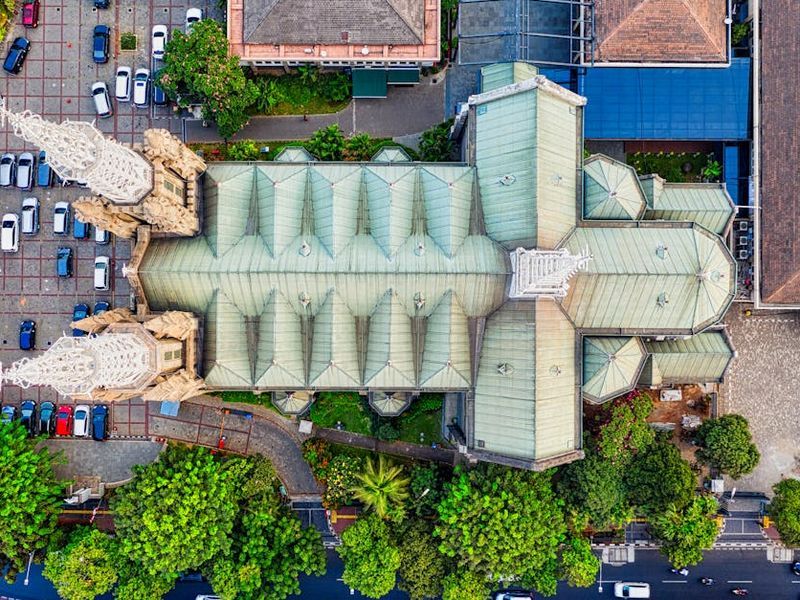
- Historic Center (Centro Histórico): Stroll the UNESCO-listed cobblestone streets and admire red-tiled roofs and the Cathedral of the Immaculate Conception.
- Tomebamba River Walks: Gentle, scenic paths perfect for short post-op walks.
- El Mercado 10 de Agosto: Sample local cuisine—frog legs are a Cuenca specialty for the curious—but stick to easy-to-chew options while recovering.
- Cajas National Park: A day trip for light hiking and panoramic views; choose gentler trails if you’ve had recent surgery.
- Local artisans and panama hat shops: Great for leisurely browsing and finding unique souvenirs.
Many visitors schedule sightseeing between appointments and use recovery days for low-impact cultural activities.
Practical Travel Tips: Flights, Accommodation, and Getting Around
Cuenca’s Mariscal La Mar International Airport (CUE) connects to Quito and Guayaquil; many international travelers arrive in Quito or Guayaquil and take a short domestic flight to Cuenca. Flight time within Ecuador is around 45–60 minutes. From the airport, taxis to the city center are typically about 25–40 minutes depending on traffic.
Important travel considerations:
- Currency: Ecuador uses the U.S. dollar, which simplifies budgeting for American visitors.
- Altitude: At ~2,560 m, you may experience mild shortness of breath or fatigue for the first day—stay hydrated and rest after surgery.
- Accommodation: Choose a comfortable hotel, a furnished apartment, or an Airbnb close to your clinic. Many patients prefer a quieter neighborhood near the Tomebamba River or one of the city’s boutique hotels.
- Internet and phone: Reliable internet is available in most hotels and apartments—ideal for virtual follow-ups with your dentist after you return home.
Choosing the Right Clinic: What to Ask Before You Book
Research and vetting are essential. Before booking your trip, contact clinics and ask for transparent answers to the following:
- Credentials and specialties of the treating dentist(s).
- The brand and origin of implants and restorative materials.
- Detailed treatment timeline and how many visits are required.
- Warranty or guarantee on restorations and implants.
- Photos of before-and-after cases for procedures you’re considering.
- Language capabilities and whether an English-speaking coordinator will assist you.
- Sanitation, sterilization protocols, and infection control measures.
- Payment options, deposits, and accepted currencies.
Reputable clinics will provide clear responses, references, and sample treatment plans. If a clinic is evasive or prices seem unrealistically low, request more information or seek another provider.
Common Treatment Pathways and Timelines
Treatment plans vary but here are common patterns and what to expect in terms of time in Cuenca:
- Single implant with delayed crown: Initial visit for consult and imaging (day 1), surgery (day 2–3), healing of several months (with follow-up locally or at home), then return for abutment and crown if required. Some clinics offer implant placement and immediate temporary crowns for aesthetic zones to shorten visible downtime.
- Multiple implants or full-arch solutions (All-on-4): These often require 7–14 days in Cuenca for surgery and temporary prosthetics; permanent prosthetics may be fitted after healing (3–6 months) or in select protocols earlier depending on bone quality and implant brand.
- Crowns and veneers: With digital impressions and on-site milling, you can often complete crowns and veneers within 3–7 days—convenient for a single visit dental vacation.
Ask clinics about immediate loading protocols and what temporary measures they provide while implants integrate.
Post-Op Care and Follow-Up: What To Expect
After your procedures, clinics provide instructions for oral hygiene, diet, and medication. Standard recommendations include soft foods, avoiding strenuous activity for 48–72 hours after surgery, and using ice packs for swelling. Many Cuenca clinics offer a post-op care kit with pain medication (or prescriptions for approved analgesics), antibiotic coverage if needed, and chlorhexidine mouthwash.
Follow-up can be managed in several ways: in-person visits while you’re still in Cuenca, telehealth check-ins after you return home, and coordination with your local dentist for long-term maintenance. Clinics pride themselves on continuity of care and will often provide written reports and digital records for your home dentist.
Safety, Regulation, and Choosing Quality
Like any medical tourism destination, patient safety rests on choosing established, credible providers. Look for clinics that:
- Are affiliated with professional dental associations.
- Offer clear infection control protocols and up-to-date equipment.
- Provide testimonials and verifiable case photos.
- Use recognized implant and restorative brands with documented warranties.
Many clinics in Cuenca maintain partnerships with international labs and dentists and welcome second opinions. Doing due diligence will help ensure excellent results and peace of mind.
Packing List and Practical Essentials
To make your dental vacation go smoothly, pack:
- Copies of dental records, x-rays, and a concise medical history.
- Comfortable clothing and a small travel pillow for recovery days.
- Soft-food snacks and a list of recommended grocery items (yogurt, soups, mashed potatoes).
- Dental insurance cards (if relevant) and means of payment—most clinics accept cash, credit cards, and bank transfers.
- Any prescription medications you currently take, in original containers.
Final Thoughts: The Incredible Value of Dental Tourism in Cuenca
Cuenca offers a rare combination: high-quality dental care at a fraction of North American prices, modern clinics staffed by experienced clinicians, fast scheduling, and a nurturing recovery environment in a charming, walkable city. Whether you’re considering a single implant, a full smile makeover with veneers and crowns, or a complete arch restoration, Cuenca makes it feasible to get exceptional dentistry while enjoying a restorative vacation.
With careful research, clear communication with your chosen clinic, and a sensible travel plan, Cuenca can deliver world-class results without the high costs you might expect. For travelers seeking both value and quality, dental tourism in Cuenca is hard to beat.
Quick Checklist Before Booking
- Obtain a consultation and written treatment plan with timelines and brand names.
- Verify credentials and ask for references or patient photos.
- Plan at least one week for crowns/veneers and 7–14 days for implant-based restorations when immediate temporaries are involved.
- Book accommodation near your clinic and allow time for rest and acclimatization to altitude.
- Confirm post-op communication and warranty details in writing.
When done right, dental tourism in Cuenca not only saves you money—it gives you access to quality care, a restorative environment, and a memorable trip. If you value excellent dentistry, attentive personal care, and exceptional overall value, Cuenca is one of the best places on earth to invest in your smile.