
Table of Contents
Why Cuenca Is Ideal for a Dental Vacation
Cuenca, Ecuador, blends colonial charm, modern clinics, and a sizable international community—making it a top pick for people who want quality dentistry and a peaceful place to recover. At roughly 2,560 meters (8,400 ft) above sea level, the city offers clean air, walkable cobblestone streets, and easy access to nature reserves, which are perfect for unwinding between appointments.
Beyond aesthetics, Cuenca has a growing reputation for well-equipped dental offices staffed by Spanish- and English-speaking professionals. Many clinics offer competitive pricing and package deals that combine procedures, lodging, and transfers, which simplifies planning.
Common Dental Procedures Visitors Schedule
Dental vacations in Cuenca often focus on cosmetic and restorative work. Here are the procedures travelers typically combine with relaxation time:
- Professional cleaning and scaling
- Porcelain crowns and bridges
- Dental implants (placement and restoration—note: implants often require multiple visits over months)
- Veneers and cosmetic bonding
- Root canals and extractions
- Teeth whitening
Costs can vary significantly by clinic and materials. As a rough guide: cleanings may be $30–$80, crowns $250–$600 each, veneers $300–$700 per tooth, and implants $800–$2,000+ depending on materials and whether bone grafts are needed. Always request a written estimate in USD that details what is included.
How to Choose a Clinic in Cuenca
Vet clinics carefully before committing. Consider these practical steps:
- Check online reviews in expat groups and Google listings for recent patient photos and testimonials.
- Ask for the dentist’s credentials, post-graduate training, and licenses. Many clinics are happy to share diplomas and professional memberships.
- Request before-and-after photos for the same procedure you need and ask for references you can contact.
- Confirm sterilization protocols, lab relationships, and whether the clinic uses digital imaging and CAD/CAM technology for faster, more accurate restorations.
- Ask about warranties or guarantees on work, what happens if adjustments are needed after you return home, and how follow-up will be handled.
Planning Your Trip: Timeline and Itinerary Examples
The ideal itinerary depends on the procedure. Here are two realistic sample plans.
Short Cosmetic Trip (7–10 days) — Crowns/Veneers
- Day 1: Arrival, rest, short walk in the Historic Center (Parque Calderón).
- Day 2: Initial consultation, X-rays, treatment plan, and cost estimate.
- Day 3: Tooth preparation, impressions or digital scans, temporary restorations.
- Days 4–6: Recovery days—light sightseeing (Tomebamba riverbank, artisan markets), soft foods, and minimal strain.
- Day 7: Try-in adjustments, final cementation if lab ready.
- Day 8–10: Buffer days for any last-minute issues and transit home.
Implant Trip (Staged Visits)
Implants usually require several months from placement to final crown, so many patients split care into two trips:
- Visit 1 (3–7 days): Consultation, CT scans, implant placement, and initial healing instructions.
- Healing period: 3–6 months for osseointegration—time to explore Ecuador or return home while healing.
- Visit 2 (7–10 days): Abutment placement, impressions, and final restoration fittings.
Booking Flights, Airport Logistics, and Getting to Your Clinic
Cuenca’s Mariscal La Mar Airport (CUE) has regular domestic flights from Quito and Guayaquil; international travelers often connect through Guayaquil. Many visitors find connecting flights the most efficient option, but others take a scenic bus from Quito for a lower-cost option. Time your arrival at least a day before your first dental appointment to acclimate to the altitude and recover from travel.
Arrange an airport pick-up with your hotel or clinic—this avoids taxi confusion on arrival. Many clinics provide transportation for patients or package arrivals with transfer services included.
Where to Stay: Neighborhoods and Comfort
Choosing accommodation close to your clinic will reduce stress between appointments. Popular areas include:
- Historic Center (El Centro) — walkable to many clinics, cafes, and the Parque Calderón.
- Near Tomebamba river — quieter, picturesque riverside walks for gentle exercise.
- Suburban neighborhoods — often more modern apartments and easy driving access to larger dental centers.
Look for hotels or Airbnbs that offer a quiet room, kitchenette (useful for soft-food recovery), and reliable Wi‑Fi for communications with your dentist and to arrange follow-ups. Expect nightly rates roughly: budget $20–40, mid-range $40–90, boutique/higher-end $100+ depending on services and location.
Language, Communication, and Records
Spanish is the daily language in Cuenca, but many dental teams work with English-speaking staff. To make things smoother:
- Bring your dental records, X-rays, and a current treatment summary from your home dentist—digital files are best.
- Ask the clinic if they can review your records before you arrive to provide a preliminary plan and estimate.
- Use translation apps for basic questions or hire a translator for complex consultations—many clinics can help with this.
- Keep a folder (paper and digital) with consent forms, invoices, and aftercare instructions.
Packing List: Essentials for a Smooth Recovery
Beyond regular travel items, pack these dental-specific essentials:
- Passport, printed clinic appointment confirmations, and contact numbers.
- Copy of dental records, models, or high-resolution photos of your teeth.
- Any prescription medications you take and a small first-aid kit.
- Over-the-counter pain relievers (confirm with your dentist), cold compress packs, and lip balm.
- Soft-food staples: protein powder, nuts (if allowed), instant soups, yogurt, and applesauce.
- Sunglasses and sunscreen—the sun is strong at altitude even on cool days.
- Portable charger, comfortable clothes, and a neck pillow for flights.
What to Expect on the Day of Treatment and During Recovery
Dental providers in Cuenca generally follow international standards for sterility and anesthesia, but expect a slightly different pace; some procedures that take multiple appointments at home may be arranged faster because clinics work with local labs.
Post-op tips:
- Plan for someone to accompany you after sedation or heavy anesthesia, at least to your accommodation.
- Follow medication instructions carefully; most clinics will prescribe analgesics and sometimes antibiotics for implants or surgical extractions.
- Stick to soft, cool foods for the first few days and avoid strenuous activity for 48–72 hours.
- Keep your head elevated while resting to reduce swelling and bring warm saline rinses as advised.
Sightseeing and Low-Impact Activities While You Heal
One of the joys of dental tourism in Cuenca is pairing treatments with gentle local activities that don’t interfere with recovery:
- Strolls along the Tomebamba River and the cobbled streets of the historic center.
- Visit artisan markets in El Cebollar or the mercado 10 de Agosto for souvenirs and textiles (avoid crowded areas immediately post-op if concerned about jostling).
- Calm afternoons at Parque Calderón with coffee at a nearby cafe—ideal for reading and resting.
- Day trips to Cajas National Park for scenic viewpoints; avoid strenuous hikes right after dental surgery.
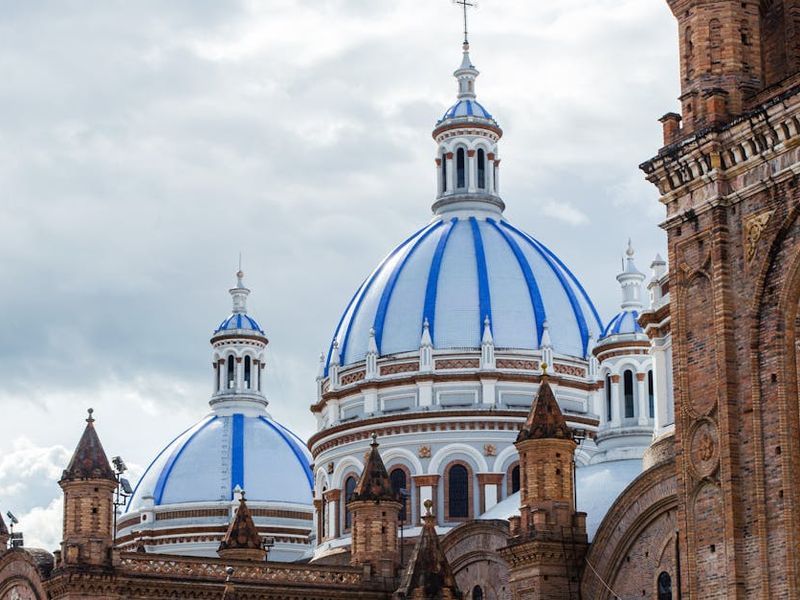
- Short visits to local galleries, churches, and the New Cathedral—many are accessible and relaxing.
Payment, Insurance, and Warranties
Most clinics accept cash (USD in Ecuador), debit/credit cards, and sometimes international bank transfers. Request a detailed invoice that lists materials, lab fees, anesthesia, and follow-up visits.
Keep in mind that most U.S. and Canadian dental insurance plans do not reimburse overseas treatment; check your policy. Some clinics offer extended warranties on prosthetics if you return to the same practice for adjustments within a set period—get these terms in writing.
After You Return Home: Follow-Up and What Could Go Wrong
Before you leave Cuenca, get clear written aftercare instructions and emergency contact information for your dentist. Many clinics provide a written timeline for home-care and signs of complications: unusual swelling, fever, persistent bleeding, or severe pain warrant immediate contact with your provider or local emergency care.
If you need adjustments later, options include shipping parts, arranging a local visit with your home dentist (many practices are willing to collaborate), or, if necessary, returning to Cuenca for repairs. Maintain digital communication—photos, videos, and emails are useful for remote assessments.
Safety and Practical Tips from Locals
Cuenca is considered one of Ecuador’s safer cities, but standard travel precautions still apply:
- Keep valuables locked up at your accommodation.
- Use recommended taxis or have your hotel/clinic arrange trusted transportation, especially at night.
- Be cautious with street food immediately after dental work—opt for clean restaurants and cooked items.
- Hydrate well to combat altitude effects; avoid heavy alcohol during recovery.
Final Checklist Before You Book
- Obtain an itemized written estimate and an expected timeline from the clinic.
- Gather your dental records and send them to the clinic ahead of arrival for a pre-evaluation.
- Verify language support and emergency contact details.
- Book accommodations near your clinic and arrange airport transfers.
- Plan buffer days for complications and recovery—don’t fly the same day as major procedures.
- Consider travel insurance that covers medical/dental emergencies and trip interruptions.
Conclusion: Balance Care with Calm
A dental vacation in Cuenca can be both an effective way to receive quality dental care and an opportunity to rest in a beautiful, culturally rich city. With careful planning—choosing the right clinic, arranging logistics, allowing adequate recovery time, and pairing low-impact activities—you can return home with an improved smile and refreshed energy. Treat the trip as both medical care and a relaxing retreat: focus on safety, realistic timelines, and clear communication with your dental team, and you’ll be set for a successful dental getaway in Cuenca.