
Table of Contents
Why Cuenca Is a Smart Choice for Dental Care
Cuenca, Ecuador, has become a well-known destination for people seeking high-quality dental work at a fraction of North American and European prices. The city combines modern dental clinics and skilled practitioners with a pleasant climate, comfortable accommodations, and a compact, walkable historic center. For many travelers, Cuenca delivers an excellent balance of professional care and a relaxing environment for recovery.
Start with Research: How to Choose the Right Clinic
Before booking anything, invest time in vetting clinics. Factors to check include training and certifications, clinic equipment, infection-control protocols, transparency of pricing, and patient reviews.
- Verify credentials: Ask whether the dentist is registered with the regional Colegio de Odontólogos (the local dental association) and has continuing education or training abroad.
- Equipment and imaging: A modern clinic should offer digital X-rays and, if you are having implants, access to CBCT (3D) scans and a sterile surgical suite.
- Hygiene protocols: Request details about sterilization, single-use instruments, and waste handling. Photos and videos of the operatory area can help.
- Before-and-after photos: Ask for case galleries for the specific procedure you need (veneers, crowns, implants, full-mouth rehab).
- Communication and language: Confirm the primary language used and whether staff speak English, or if an interpreter will be available.
Questions to Ask Your Clinic
- Can I get an itemized written treatment plan and price quote?
- Who will perform the procedure and what are their qualifications?
- What is your warranty or guarantee policy for restorations and implants?
- What aftercare and follow-up is included, and how are emergencies handled?
- Which brands of implants, crowns, and materials do you use?
Plan Your Timeline: How Long Should You Stay?
Your required length of stay depends on the work you need. Simple procedures like cleanings, fillings, or a few crowns can be completed in a long weekend. More complex treatments require more time:
- Fillings, cleanings, extractions: 1–3 days.
- Crowns, veneers: Allow 3–7 days for initial prep, lab time, and final cementation (some clinics use in-house CAD/CAM to shorten this).
- Implants: If you need a two-stage approach, expect 2–5 visits over several months. Many clinics offer immediate-load implants or temporary crowns, but final restoration may require returning home and coordinating with a local dentist.
- Full-mouth restoration: Plan 2–4 weeks if many staged appointments and lab work are required.
Tip: Build in extra days for consultations, testing (like X-rays), and unexpected delays—especially if you travel internationally.
Budgeting: Realistic Costs and Payment Tips
One of the main draws of dental tourism is cost savings. While exact prices vary, you can generally expect significantly lower fees compared to the U.S., Canada, and Western Europe. Typical price ranges in Cuenca (USD) are often:
- Routine cleaning: $30–$80
- Composite fillings: $30–$120
- Crown (porcelain fused to metal or ceramic): $200–$700
- Single dental implant (including abutment): $800–$2,000
Important payment tips:
- Ask whether the clinic accepts major credit cards, bank transfer, or prefers cash. Ecuador uses the U.S. dollar, so you won’t need currency exchange.
- Get a detailed receipt and a signed treatment contract with what is included (materials, lab fees, sedation, x-rays).
- Be cautious of prices that are vastly lower than competitors — very low costs can signal shortcuts in materials or technique.
Travel Logistics: Getting to and Around Cuenca
Cuenca is served by Mariscal La Mar Airport (CUE), which has domestic flights and a few international connections. Many visitors also arrive by bus from Quito or Guayaquil; buses are comfortable and the rides offer scenic views.
Getting Around Locally
The historic center (centro histórico) is compact and easily walkable, making it convenient if your clinic is nearby. For farther trips, taxis are affordable—use licensed radio taxis or arrange rides through apps like Uber or local ride-hailing services to reduce risk. If you’ll be staying longer, short-term apartment rentals or Airbnb options in neighborhoods like San Sebastián or Bellavista offer quieter environments for recovery.
Health Considerations and Medical Safety
Before undergoing dental surgery, discuss your medical history with both your primary care physician and the dentist. Important considerations include cardiovascular disease, diabetes, immune disorders, allergies, and medications (especially blood thinners).
- Altitude: Cuenca sits at about 2,500–2,560 meters (roughly 8,400 feet). Most visitors tolerate this well, but plan for mild altitude adjustment: stay hydrated, take it easy on your first day, and avoid heavy exertion immediately after surgery.
- Antibiotics and medications: Confirm what will be prescribed post-procedure and whether you can get refills locally; bring a list of medications you take and any allergies.
- Anesthesia and sedation: If sedation is offered, ask about the provider’s training, ASA classification acceptance, monitoring equipment used, and post-sedation recovery instructions.
Language and Cultural Tips
Spanish is the dominant language in Cuenca. Many clinics serving foreigners have English-speaking staff, but it helps to know basic Spanish dental vocabulary or bring a translator app. Politeness and small cultural courtesies go a long way—Cuencanos are known for friendliness and professionalism.
- Carry a Spanish summary of your medical history and medications.
- Learn phrases such as “Tengo alergia a…” (I am allergic to…) and “¿Cuándo puedo volver a comer alimentos sólidos?” (When can I return to solid foods?).
Where to Stay During Recovery: Neighborhoods and Amenities
Choosing the right neighborhood can make recovery smoother. Consider these options:
- Centro Histórico (around Parque Calderón): Extremely convenient for appointments, restaurants, and pharmacies. It’s lively, so expect more foot traffic and noise.
- San Sebastián or San Blas: These neighborhoods are artistically inclined and a little quieter, good for longer stays where you want calm evenings.
- Bellavista and Penas Blancas: Elevated neighborhoods with great views and easy access by taxi.
Look for short-term rentals that provide a comfortable bed, a kitchenette so you can prepare soft foods, and reliable Wi-Fi for telehealth follow-ups.
Aftercare, Follow-Up, and What to Expect
Proper aftercare is critical to success. Your clinic should provide written instructions on wound care, diet, medications, and emergency contact information.
- Diet: Soft foods for the first few days (yogurt, mashed potatoes, soups). Avoid hot, spicy, and crunchy foods after extractions or implant surgery.
- Oral hygiene: Gentle rinsing with saline or an antiseptic rinse as recommended. Avoid aggressive brushing near surgical sites until cleared by your dentist.
- Follow-up: Confirm how remote follow-up will work once you return home. Many clinics send photos and can consult with your local dentist for the final restoration.
- Emergency plan: Get a local phone number and confirm how to reach the clinic after hours. Also carry travel medical insurance that covers emergency dental complications if possible.
Handling Complications and Legal Protections
While most dental trips are problem-free, be prepared. Ask the clinic about their protocol for complications, revisions, and warranty terms. Make sure to:
- Get all consent forms and the treatment contract in writing in a language you understand.
- Keep detailed records: x-rays, prescriptions, treatment notes, and photos of the work done.
- Consider travel insurance that includes medical coverage — standard travel policies often exclude elective dental work, so read terms carefully.
Combining Recovery with Exploration: Things to Do in Cuenca
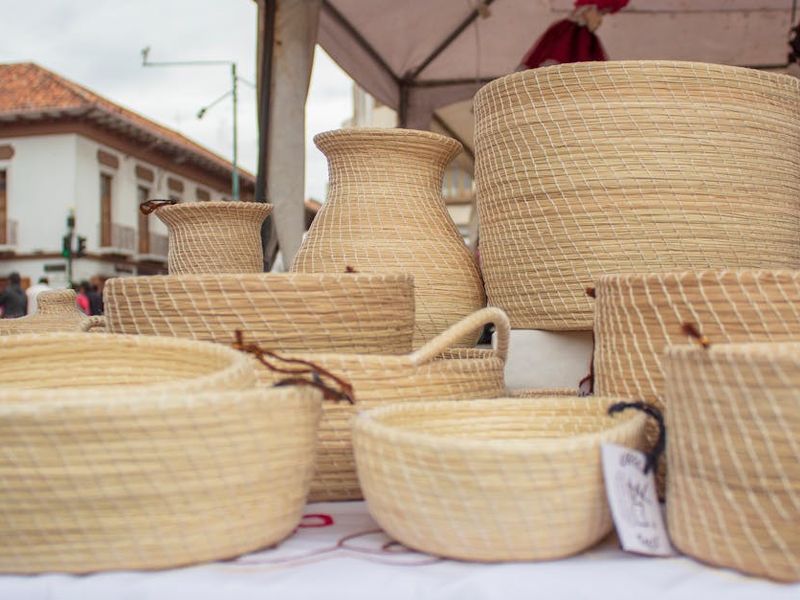
Cuenca offers charming, low-key activities that fit well into a dental recovery period. Visit the historic cathedral on Parque Calderón, stroll across the ornate stone bridges over the Tomebamba River, and browse the artisanal markets for jewelry and Panama hats. For a day trip, Cajas National Park is a short drive and offers scenic hikes at higher elevations — save strenuous activities until you’re cleared by your dentist.
Packing Checklist for a Dental Trip
- Passport and printed clinic appointment schedule
- Medication list and copies of prescriptions
- Copies of dental X-rays or digital files if you have them
- Comfort items: neck pillow, soft food snacks, reusable water bottle
- Basic first-aid supplies and oral rinse as recommended by your dentist
- Power adapter and charger for phone, and a local SIM card if you need reliable data
Sample 7–10 Day Itinerary for Common Procedures
Here’s a practical timeline for getting crowns and a couple of implants that require implant placement and temporary restorations.
- Day 1: Arrive, rest, light walking in the city center. Initial consultation and X-rays in late afternoon.
- Day 2: Preparatory work (tooth prepping, impressions) and placement of temporary crowns. Evening rest and local pharmacy visit to pick up prescriptions.
- Day 3: Implant surgery (if doing immediate-load implants) or extraction/other surgical work. Rest and follow post-op instructions.
- Day 4–5: Recovery days—gentle sightseeing, light meals, follow-up check with clinic.
- Day 6–8: Final crown cementation or follow-up fitting adjustments, instructions for home care.
- Day 9–10: Final check and departure. Arrange remote follow-up and ensure contact info for emergencies.
Final Checklist Before You Book
- Obtain a written, itemized treatment plan and an expected timeline.
- Confirm clinic credentials and sterilization protocols with photos or video tour if possible.
- Verify that the clinic will provide emergency contact information and written aftercare instructions.
- Plan for enough recovery time and arrange accommodations that support rest.
- Have travel and medical insurance details sorted and keep digital and paper backups of all documents.
With careful planning, clear communication, and a reasonable timeline for healing, a dental trip to Cuenca can deliver impressive savings without sacrificing quality. The key is preparation: choose your clinic carefully, understand the full cost and timeline, and give yourself the time and comfort you need to heal. Cuenca’s welcoming atmosphere and modern dental services make it an excellent option for many kinds of dental care when you plan thoughtfully.