
Table of Contents
Introduction: Why the Southern Highlands?
The Southern Highlands of Ecuador combine colonial charm, cloud forests, and relaxed mountain towns in a compact, easy-to-explore region. From Cuenca’s blue-domed cathedral and lively expatriate scene to Loja’s musical soul and Vilcabamba’s verdant valley, this area offers a variety of landscapes and lifestyles within a few hours’ travel. This guide gives practical tips, local highlights, and suggestions for building a memorable trip through the southern Sierra.
Getting There and Getting Around
Most international visitors arrive in Ecuador via Quito (UIO) or Guayaquil (GYE). Cuenca has a regional airport (Mariscal La Mar, CUE) with domestic connections to Quito and Guayaquil, which can save time. Overland travel between cities is comfortable and scenic: Cuenca–Loja by bus or private transfer takes a few hours, and Loja–Vilcabamba is a short drive into the valley.
Transport options:
- Flights: Quito–Cuenca takes about an hour; check local carriers for schedules.
- Interprovincial buses: Regular, affordable, and a good way to see the landscape. Book reputable companies for comfort on longer stretches.
- Private taxi or transfer: Convenient if you’re traveling with a lot of gear or want flexible stops.
- Car rental: Offers freedom but remember the roads in parts are narrow and winding. If you plan to explore remote parks, a reliable vehicle helps.
- Local transport: In towns, taxis are cheap; in smaller communities you’ll find colectivos (shared vans) and motorbike taxis.
When to Go and Weather Tips
The highlands’ climate is temperate but variable. Expect cool mornings and nights with sunny, warm afternoons. Pack layers: a warm jacket for evenings, sun hat for the midday sun, and a waterproof shell for sudden showers.
Timing:
- Dry season: June–September is generally drier, ideal for hiking and clear views in places like El Cajas.
- Rainy season: October–May brings more afternoon showers and lush green landscapes — great for photographers and waterfall hunting.
Altitude: Cuenca sits around 2,560 meters (8,400 ft), Loja about 2,060 meters (6,760 ft) and Vilcabamba approximately 1,520–1,600 meters (5,000–5,250 ft). If you’re arriving from the coast, take it easy for a day or two in the highest towns to avoid altitude-related discomfort.
Cuenca: Colonial Elegance and Modern Comfort
Must-see landmarks
Cuenca is famous for its UNESCO-listed historic center, where cobbled streets, red-tiled roofs and the distinctive blue domes of the Catedral de la Inmaculada Concepción dominate the skyline. Stroll along the Tomebamba River to watch daily life, explore Parque Calderón at the city’s heart, and climb Mirador Turi for sweeping views.
Museums and culture
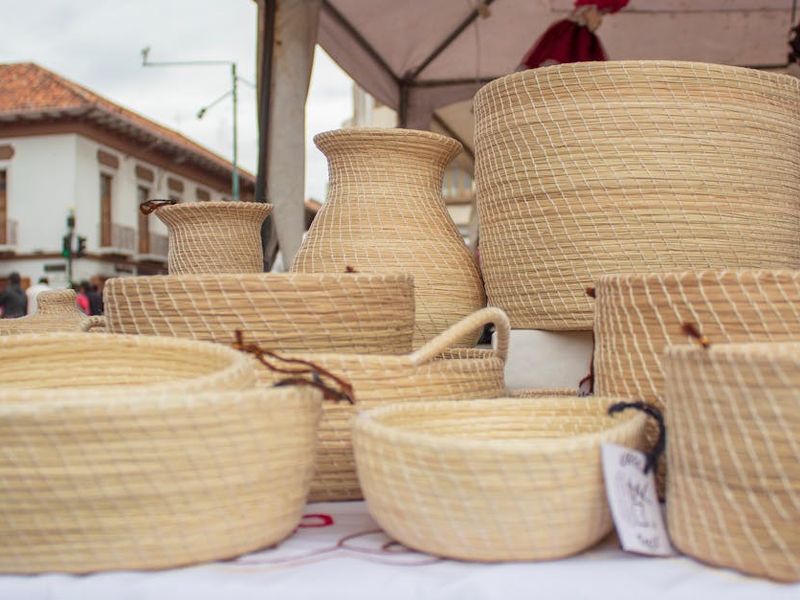
Visit Museo Pumapungo for archaeology and ethnography exhibits that explain the region’s indigenous past. Smaller galleries and artisan shops in neighborhoods like San Sebastián and El Centro showcase ceramics, textiles, and jewelry from nearby towns.
Food and drink
Cuenca’s culinary scene spans street snacks to refined restaurants. Sample classic Andean dishes such as llapingachos (potato patties), hornado (roast pork), and cuy (guinea pig, a local specialty). For lighter options, try fresh trout from highland farms, locally roasted coffee, and fruit juices sold at mercados.
Practical tips for Cuenca
- Markets: The Central Market and Mercado 10 de Agosto (or Mercado Santa Ana depending on the day) are great for fresh produce, baked goods like pan de yuca, and local life.
- Day trips: El Cajas National Park, Chordeleg (famed for silver and filigree jewelry), and Gualaceo (textiles and crafts) are within easy reach.
- Healthcare: Cuenca has reliable private clinics and hospitals—something many expats appreciate. Pharmacies are widely available.
- Money: ATMs are common; carry some cash in smaller towns.
Loja: Music, Culture and Gateway to Cloud Forests
Why visit Loja?
Loja is known as Ecuador’s cultural capital—home to conservatories, classical music traditions, and a strong local identity. The city offers a quieter alternative to Cuenca and a convenient base for exploring Podocarpus National Park and the southern cloud forests.
Highlights and activities
- Plaza de la Independencia: A pleasant central square for people-watching and local events.
- Conservatory scene: Check the calendar for concerts—public performances are common and affordable.
- Podocarpus National Park: A biodiverse reserve with cloud forest trails and birdwatching opportunities. Day trips can be organized from Loja.
Food and nightlife
Loja’s food scene emphasizes traditional cuisine with hearty, comforting dishes. The city’s nightlife focuses on live music, cafés and small bars rather than large clubs, making it a welcoming atmosphere for evening strolls and cultural evenings.
Vilcabamba: The Valley of Relaxation and Active Outdoors
What makes Vilcabamba special?
Known internationally as the “Valley of Longevity,” Vilcabamba attracts travelers seeking warm weather, gentle mountain slopes, and a slower pace. The town is surrounded by trails, swimming holes, and small organic farms. Many visitors stay for weeks to enjoy the relaxed lifestyle, outdoor activities, and wellness offerings.
Outdoor pursuits
Popular activities include hiking to nearby waterfalls, soaking in natural pools, horseback riding, and visiting local organic farms. The valley’s elevation (lower than Cuenca and Loja) makes it pleasantly warm and ideal for longer walks and outdoor yoga classes.
Wellness and community
Expect yoga studios, massage therapists, and small wellness retreats. A mix of local families, Ecuadorian retirees, and international residents creates a multicultural but tranquil vibe. Farmer’s markets in the mornings are a good way to taste local produce and chat with growers.
Practical Itinerary Ideas
Here are a few sample itineraries depending on how much time you have:
- 7–10 days: Base in Cuenca for 4–5 days (city tour, El Cajas, Chordeleg and Gualaceo day trip), then two nights in Loja and two nights in Vilcabamba for hiking and relaxation.
- 2 weeks: Build in more time for longer hikes in Podocarpus, multi-day exploration of El Cajas trails and relaxed days in Vilcabamba with farm visits.
- Slow travel: Stay a month in Cuenca and take weekends to Loja and Vilcabamba—this allows for deeper immersion and practical errands if you’re considering a long-term move.
Safety, Health and Practicalities
General safety
The Southern Highlands are generally safe for tourists, but normal urban precautions apply: watch belongings in crowded markets, avoid displaying expensive items, and keep copies of travel documents. Stick to well-traveled trails and consider hiring a local guide for remote hikes.
Health and altitude
Altitude can affect some travelers in Cuenca and Loja; symptoms are usually mild (headache, shortness of breath). Hydrate, eat lightly the first day, avoid strenuous activity until you feel acclimatized, and consider coca tea, a local remedy often offered in highland towns. Bring any regular medications with you and buy travel insurance that covers medical evacuation if you plan high-altitude treks.
Connectivity and money
Cell coverage is good in cities; buy a local SIM from Claro or Movistar for cheaper local data. Credit cards are accepted in many restaurants and hotels in Cuenca and Loja but carry cash for smaller vendors and markets in Vilcabamba and rural stops.
Sustainable and Respectful Travel
Support local artisans by buying directly from markets in Chordeleg and Gualaceo, book tours with community-run operators where possible, and choose eco-friendly lodges in cloud forest areas. Respect local traditions and dress modestly in religious or official settings. When hiking, stick to trails, pack out trash, and avoid feeding wildlife.
Practical Packing List
- Layered clothing (fleece, lightweight down jacket, long-sleeve shirts)
- Waterproof jacket and quick-dry pants for rainy afternoons
- Good walking shoes and, for serious hikes, lightweight hiking boots
- Sunscreen and sunglasses (strong sun at altitude)
- Reusable water bottle and basic first-aid kit
- Copies of passport and travel insurance documents
- Phrasebook or offline translator app—Spanish is widely spoken; English is common in tourist areas but not universal
Local Customs and Useful Spanish Phrases
Showing a few words in Spanish goes a long way. Simple phrases:
- Hola — Hello
- Gracias — Thank you
- ¿Cuánto cuesta? — How much does it cost?
- ¿Dónde está el baño? — Where is the bathroom?
- Una mesa para dos, por favor — A table for two, please
Respectful greetings and a smile will help when visiting local markets and smaller communities.
Final Tips and What Not to Miss
Don’t rush the Southern Highlands. Spend at least a couple of nights in each place to feel the rhythm of the towns and allow for weather delays. In Cuenca, climb Mirador Turi at sunset and linger in a café along the Tomebamba. In Loja, check the concert schedules and wander the quieter neighborhoods. In Vilcabamba, slow down—take a long hike, swim in a river pool, and sample organic coffee on a small farm.
With colorful markets, dramatic mountain parks, and a relaxed lifestyle that invites lingering, Ecuador’s southern highlands reward travelers who bring curiosity and time. Whether you’re there for a week or a season, you’ll find a mix of outdoor adventure, cultural richness, and friendly communities that make this region a favorite for visitors and long-term residents alike.