
Table of Contents
Why regular dental check-ups matter — more than just a bright smile
For expats settling into life in Cuenca, routine dental visits are one of the most underrated parts of staying healthy. Regular check-ups spot cavities and gum disease early, prevent pain and tooth loss, and can reveal early signs of systemic conditions such as diabetes and heart disease. Beyond health, good dental maintenance saves time and money by avoiding complex procedures later on.
How often should you see the dentist in Cuenca?
The standard recommendation is a professional exam and cleaning every six months. However, individual needs vary:
- Every 4 months: People with active gum disease, diabetes, or heavy plaque buildup.
- Every 6 months: Most healthy adults and children for routine prevention and screening.
- Every 12 months: Low-risk patients with excellent oral health may stretch to yearly visits, but only after careful discussion with their dentist.
Expats should plan visits based on risk factors like smoking, medications that dry the mouth, prosthetics (crowns, implants, dentures), pregnancy, or a history of frequent cavities.
What happens during a typical dental check-up in Cuenca?
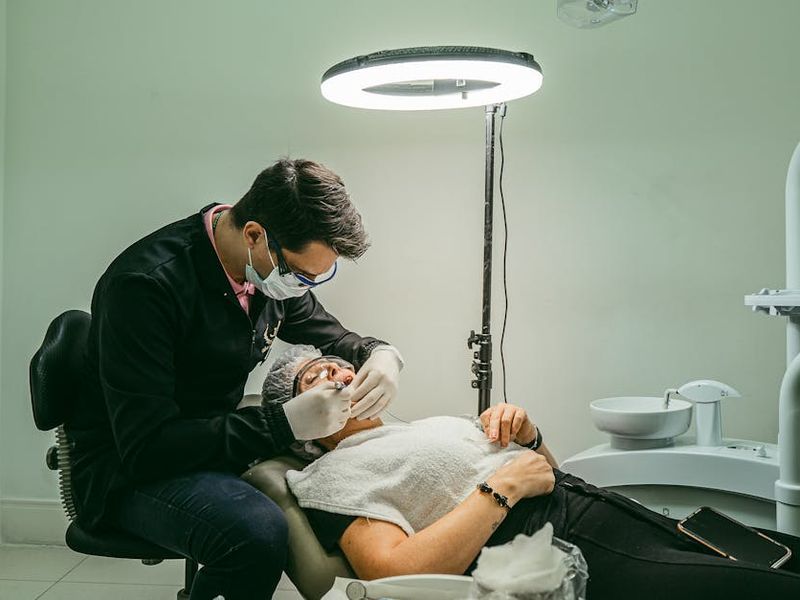
Most clinics in Cuenca follow an efficient, thorough routine. Expect the following during a standard visit:
- Medical and dental history review — mention recent illnesses, medications, and any jaw or mouth symptoms.
- Professional cleaning (profilaxis) — removal of plaque and tartar above and below the gumline.
- Oral exam — visual inspection of teeth, gums, tongue, and soft tissues for decay, inflammation, lesions, or suspicious spots.
- Periodic X-rays — digital radiographs are common in modern Cuenca clinics for detecting cavities and bone loss.
- Personalized advice — recommendations for home care, fluoride, and the need for future treatment.
Clinics often use intraoral cameras and digital x-rays so you can see problems while the dentist explains them — a useful learning tool if you’re new to Ecuadorian dental standards.
Signs you should see a dentist right away
Don’t wait for your routine visit if you notice any of the following — these are common triggers for urgent care in Cuenca:
- Persistent toothache or severe pain when biting
- Swelling around the face, jaw, or gums
- Bleeding gums that won’t stop after gentle brushing
- Loose teeth or dentures that suddenly don’t fit
- Sores in the mouth that last longer than two weeks
- Sudden changes in bite or jaw noise and pain (possible TMJ issues)
Many Cuenca dentists offer same-day emergency slots or will refer you to an urgent clinic if required. If the swelling is accompanied by fever or difficulty breathing, head to a hospital emergency room immediately.
Types of dental services commonly available in Cuenca
Cuenca has a wide range of dental services to suit routine needs and more complex work. Most private clinics provide:
- Preventive care: cleanings, sealants, fluoride treatments
- General dentistry: fillings, extractions, root canals
- Restorative care: crowns, bridges, dentures
- Implant dentistry: single implants, implant-supported dentures (CBCT imaging is available at many clinics)
- Cosmetic dentistry: veneers, whitening, smile makeovers
- Orthodontics: traditional braces and clear aligners
- Pediatric dentistry and geriatric dental care
Many dentists in Cuenca have additional training abroad and use modern materials and techniques similar to those in the U.S. and Europe.
How to choose a dentist in Cuenca — practical tips for expats
Finding the right dentist is critical. Use these steps to vet clinics and practitioners:
- Ask fellow expats: Cuenca has active expat communities and Facebook groups where people share recommendations and experiences.
- Check credentials: Look for registration with the Colegio Odontológico del Azuay (the provincial dental association) and ask about postgraduate training or international certifications.
- Visit for a consultation: Schedule a short initial visit to meet the dentist, clinic staff, and check cleanliness and sterilization practices.
- Language: Ask whether the dentist or staff speak English if Spanish isn’t your first language. Many clinics in Cuenca employ bilingual staff or will arrange interpreters.
- Technology and materials: Ask about digital X-rays, sterilization protocols, material brands for crowns/implants, and whether they use local or imported prosthetics.
- Get multiple quotes: For major procedures, get at least two opinions and written treatment plans with cost estimates and timelines.
Costs in Cuenca — what to expect and how to save
One of the reasons expats favor Ecuador is the relatively lower cost of dental care compared with North America and Europe. Exact prices vary widely by clinic, materials, and the dentist’s experience. As a rough guide (approximate ranges as of 2024):
- Routine cleaning (profilaxis): often lower-cost than in the U.S., many clinics charge a modest fee for professional cleaning and exam.
- Composite filling: substantially less than abroad; the price depends on size and number of surfaces.
- Crowns: costs depend on material (porcelain-fused-to-metal, all-ceramic, or zirconia) and whether lab work is done locally or imported.
- Implants: implant systems vary. Higher-quality brands and the need for bone grafting increase costs.
Because prices change and are influenced by materials and imaging needs, always obtain a written estimate. Ask whether follow-up appointments, temporary crowns, and lab fees are included. Some clinics offer payment plans or accept international credit cards; cash payments may bring a small discount.
Insurance, paperwork and transfer of dental records
If you have international health insurance, check whether dental work is covered under your plan. Most standard medical plans exclude routine dental, so many expats use local Ecuadorian dental plans or pay out-of-pocket. Before major treatment, request a complete written treatment plan and take copies of X-rays and charts — particularly if you plan to return to your home country for future work.
If you’re transferring records from another country, ask your previous dentist to send digital X-rays and notes. Cuenca dentists appreciate having a clear baseline, especially for prosthetic and implant planning.
Language and cultural tips for a smooth dental visit
Spanish is the dominant language in Cuenca, and while many dentists and staff are bilingual, some smaller clinics may not be. Here are tips to make communication easier:
- Learn key dental words in Spanish (e.g., limpieza, caries, muela, empaste, prótesis).
- Bring a bilingual friend or use a phone translation app for the first visit if needed.
- Ask for written consent and price estimates; these help avoid misunderstandings.
- Be polite but clear about expectations: ask how long procedures will take and whether you’ll receive post-op instructions in writing.
Dental emergencies in Cuenca — what to do
For non-life-threatening dental emergencies (intense pain, broken tooth, lost filling), contact your regular dentist first; many will fit you in the same day. If you do not have a dentist, ask your expat network for recommendations or call a private clinic. For swelling with breathing difficulty, high fever, or uncontrollable bleeding, go to the nearest hospital emergency department immediately.
In emergencies, carry a small dental first-aid kit: gauze, a small container for broken tooth pieces, temporary filling material (available at pharmacies), and over-the-counter pain relievers. Don’t use aspirin directly on the gums.
Common preventive tips to reduce dental visits (and expenses)
Regular check-ups are vital, but daily habits make the biggest difference. These practical tips will help you keep visits to a minimum:
- Brush twice daily with fluoride toothpaste and floss once a day.
- Use an interdental cleaner or water flosser if you have bridges, implants, or tight contacts.
- Limit sugary snacks and acidic drinks; when you do have them, rinse with water afterward.
- Consider supplemental fluoride treatments if you’re at high risk for cavities.
- Quit smoking — it worsens gum disease and complicates implant success.
- Wear a nightguard if you grind your teeth (bruxism can speed wear and lead to costly restorations).
Planning for larger treatment — timing, travel and follow-up
If you need major restorative work — implants, full mouth rehabilitation, or multiple crowns — plan ahead. Many expats schedule multi-visit treatment over several months, and some combine trips to Ecuador with dental treatment. If you travel outside Cuenca for specialized care (common for complex implant cases), coordinate records and follow-up with your Cuenca dentist to avoid gaps in care.
Final thoughts — making dental care a stress-free part of expat life in Cuenca
Regular dental check-ups are an essential part of staying healthy and enjoying life in Cuenca. With many skilled dentists, modern clinics, and generally lower costs than in North America or Europe, keeping on top of dental care is both feasible and affordable. Use local resources — expat groups, the Colegio Odontológico del Azuay, and direct consultations — to find the right provider, and prioritize prevention. A little planning goes a long way: consistent check-ups, good home care, and timely treatment will protect your smile and your overall health while you make Cuenca your home.
Quick checklist before your next dental appointment in Cuenca
- Bring ID and any dental insurance information.
- Request prior X-rays or bring digital files from your previous dentist.
- Confirm language support if needed.
- Ask for a written estimate for any proposed work.
- Schedule follow-ups and ask about emergency contact procedures.
Follow these steps and your dental care in Cuenca will be organized, affordable, and effective — leaving you more time to enjoy the city’s parks, markets, and vibrant expat community with a healthy smile.