
Table of Contents
Why Cuenca Is a Smart Option for Dental Care
Cuenca has become a magnet for expats and dental tourists seeking high-quality dentistry at a fraction of prices in North America or Europe. The city’s concentration of modern clinics around the Historic Center, good infrastructure, and an international community make it straightforward to schedule procedures, consult specialists, and combine treatment with a short stay for recovery.
Beyond cost, many clinics in Cuenca invest in up-to-date equipment—digital X-rays, 3D CBCT scans, CAD/CAM milling systems and sterilization protocols that meet international standards. Dentists often have training from Ecuadorian universities, postgraduate specializations, and memberships in the provincial dental association. For expats who prioritize value without sacrificing quality, Cuenca is an attractive option.
How the Dental System Works Locally
Dental care in Cuenca ranges from small private practices to multi-specialty clinics. You’ll also find dental schools at local universities that offer lower-cost treatments under instructor supervision—an option for routine care and basic procedures.
Public health coverage through Ecuador’s social security (IESS) provides dental benefits for contributors, but private services are commonly used by expats and visitors. Most clinics accept cash in USD (Ecuador’s currency), major credit cards, and sometimes local bank transfers. Always request a detailed receipt and a treatment plan with itemized costs before starting work.
Most Common Procedures Expats Seek in Cuenca
Here’s a practical look at the procedures people commonly have done in Cuenca, and what to expect from each.
1. Preventive Cleanings (Limpieza)
Professional cleanings are often called “profilaxis” and include scaling, polishing and sometimes fluoride application. Cleanings help remove tartar and detect early issues. Many expats come for a deep cleaning and an oral exam during their first visit to establish a dental baseline.
2. Fillings (Empastes)
Composite (tooth-colored) fillings are widely available. Dentists can usually handle same-day fillings for cavities. If you prefer a particular material—amalgam versus composite—discuss options up front; composites cost more but match tooth color.
3. Root Canals (Endodoncia)
Endodontic therapy is commonly performed by general dentists or endodontists in the city. Modern root canal treatment typically uses rotary instruments and digital X-rays. Expect a follow-up crown recommendation after a molar root canal to protect the tooth.
4. Crowns and Bridges (Coronas y Puentes)
Crowns are a frequent follow-up to large fillings or root canal therapy. Clinics offer several crown materials—porcelain-fused-to-metal (PFM), all-ceramic (zirconia), and E-max-like ceramics. For bridges, an accurate impression or digital scan is taken, and a temporary crown is often placed while the lab fabricates the permanent restoration.
5. Dental Implants (Implantes)
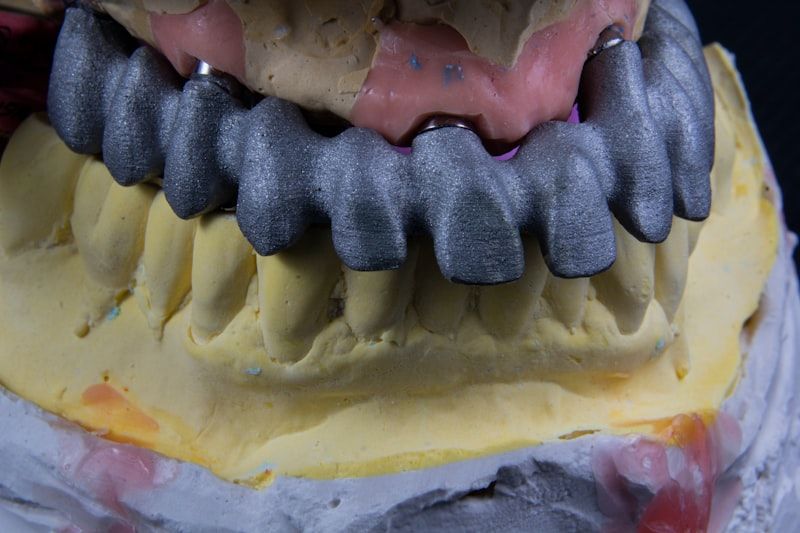
Implants are one of the main reasons people travel for dental work. Cuenca clinics commonly place titanium implants and provide full-service treatment: implant placement, abutment, and prosthetic crown. Many clinics use well-known implant systems and collaborate with laboratories that craft ceramic crowns. Implants require healing time (osseointegration), so plan for several visits spread across a few months.
6. Veneers and Cosmetic Work (Carillas y Estética)
Porcelain veneers and composite veneers are available for cosmetic smile upgrades. Porcelain options need lab fabrication and multiple visits. If aesthetics are a priority, review before-and-after photos and ask to see work on patients with similar tooth shapes and shades.
7. Teeth Whitening (Blanqueamiento)
In-office bleaching and take-home kits are widespread. In-office treatments provide faster results; take-home trays are a gradual alternative. Whitening is often combined with restorations for a more uniform final appearance.
8. Extractions and Prosthetics (Extracciones y Prótesis)
Routine extractions are standard. For complicated surgical extractions, including impacted wisdom teeth, clinics use local anesthesia or sedation options. For missing teeth, partial or full dentures are fabricated locally and adjusted during follow-ups.
Typical Price Ranges and What Drives Costs
Costs in Cuenca tend to be lower than in the U.S. or Europe, but prices vary by clinic location, materials, and clinician experience. Below are approximate ranges (USD) to use as a planning guide—note prices change and depend on complexity and materials:
- Cleaning: $20–$60
- Fillings: $30–$150 (composite depends on tooth and size)
- Root canal: $80–$350 (anterior to molar range)
- Crown: $200–$800 (PFM cheaper; zirconia/porcelain higher)
- Implant (including crown): $800–$2,000+ per unit
- Veneers: $200–$700 per tooth
- Whitening: $80–$400
Factors that affect price: implant system brand, lab quality, type of crown material, lab turnaround time, 3D imaging requirements, and whether sedation or specialist surgery is needed.
How to Choose a Clinic and Dentist in Cuenca
Choosing the right clinic reduces risk and increases the likelihood of a satisfactory outcome. Follow these practical steps:
- Verify credentials: Ask if the dentist is registered with the local dental association (Colegio de Odontólogos del Azuay) and inquire about postgraduate training or specialist certifications.
- Inspect the clinic: Check for modern sterilization equipment, digital X-rays, clear treatment plans, and a clean reception area. If possible, tour the sterilization room.
- Ask for before/after photos: Request images of similar cases the dentist has treated, particularly for cosmetic work and implants.
- Get a written plan and warranty: Many clinics offer a written estimate and short-term guarantees—ask about warranty terms for restorations and implants.
- Read reviews and get referrals: Look at expat forums, local Facebook groups, and Google reviews. Word-of-mouth among the expat community in Cuenca is an excellent resource.
Preparing for Dental Treatment: Practical Tips
Before your appointment, collect relevant records: recent dental X-rays, a list of medications and allergies, and any prior treatment documentation. Communicate clearly about your pain threshold, anxiety, and prior complications with anesthesia.
If you don’t speak fluent Spanish, ask whether the clinic has English-speaking staff or bring a bilingual friend. Google Translate can help with basic communication but isn’t a substitute for medical consent explanations—ensure you fully understand the treatment plan.
Sedation, Anesthesia and Special Considerations
Most routine procedures use local anesthesia. For anxious patients, many clinics offer nitrous oxide (laughing gas) or oral sedation. IV sedation or general anesthesia is available in hospital settings for complex surgeries, but this requires additional coordination.
Tell your dentist about medications (especially blood thinners), chronic illnesses, or pregnancy. At Cuenca’s altitude (about 2,500 meters), you should be aware that some patients experience mild breathlessness or fatigue; discuss any respiratory conditions with your provider before sedation.
Aftercare, Recovery, and Follow-Up
Aftercare protocols are usually given in writing and verbally in Spanish and sometimes English. For surgical procedures like implants or extractions, expect swelling and light bleeding for a few days. Key aftercare tips:
- Follow pain management and antibiotic instructions precisely.
- Use cold packs for the first 24–48 hours to minimize swelling.
- Avoid strenuous activity for a few days when advised by your dentist.
- Attend scheduled follow-ups—implants and crowns need monitoring and sometimes adjustments.
- Keep a list of nearby pharmacies and emergency numbers; many pharmacies in Cuenca are open extended hours.
Insurance, Warranties and Documentation
If you plan to file claims with foreign insurance, request detailed invoices with procedure codes, material descriptions, and digital X-ray records. Some clinics provide a full treatment file suitable for international submission.
Ask about warranties—many clinics offer a year or more on crowns and bridges, but warranties generally require routine check-ups and proof of proper maintenance.
Combining Dentistry with a Visit to Cuenca
Cuenca’s compact historic center is ideal for short stays between appointments. If you’re scheduling dental work that requires a few days of recovery, choose accommodation near Parque Calderón or in neighborhoods popular with expats to minimize travel time.
Plan conservative sightseeing during recovery—walking the cobblestone streets and light museum visits are typically fine, but avoid strenuous hikes if you’ve had oral surgery. The mild climate makes recovery comfortable for most visitors.
Common Questions from Expats
Q: Can I get a second opinion? A: Yes—ask for digital scans and photos so a second dentist can review your case without repeat imaging.
Q: How long should I plan to stay? A: For simple work (cleaning, fillings) a day is fine; crowns and veneers may need two visits spread over one to two weeks; implants often require multiple visits across months.
Q: Do dentists speak English? A: Many clinicians in Cuenca’s established clinics speak some English, especially those who treat foreign patients, but bring translation support if you’re not comfortable in Spanish.
Final Checklist Before You Book
- Obtain a written treatment plan with timelines and total costs.
- Confirm what imaging is included (X-rays, CBCT) and where it will be done.
- Ask about materials and brands used for implants and crowns.
- Make sure payment methods and cancellation policies are clear.
- Plan travel and accommodation with recovery in mind.
- Keep copies of all records and receipts for future care or insurance claims.
Conclusion
Cuenca offers a compelling combination of affordable prices, quality care, and a pleasant setting for dental treatment, making it a practical choice for expats and dental tourists. With careful planning—verifying credentials, requesting detailed treatment plans, and allowing adequate recovery time—you can safely navigate the most common dental procedures while enjoying the charm of this Andean city.
Whether you need a simple cleaning, a cosmetic makeover, or a full mouth of implants, Cuenca’s dental community has options to match a range of budgets and expectations. Do your homework, communicate clearly, and you’ll likely find that excellent dental care in Cuenca is both accessible and reassuring.