
Table of Contents
Why Choose Cuenca for a Week?
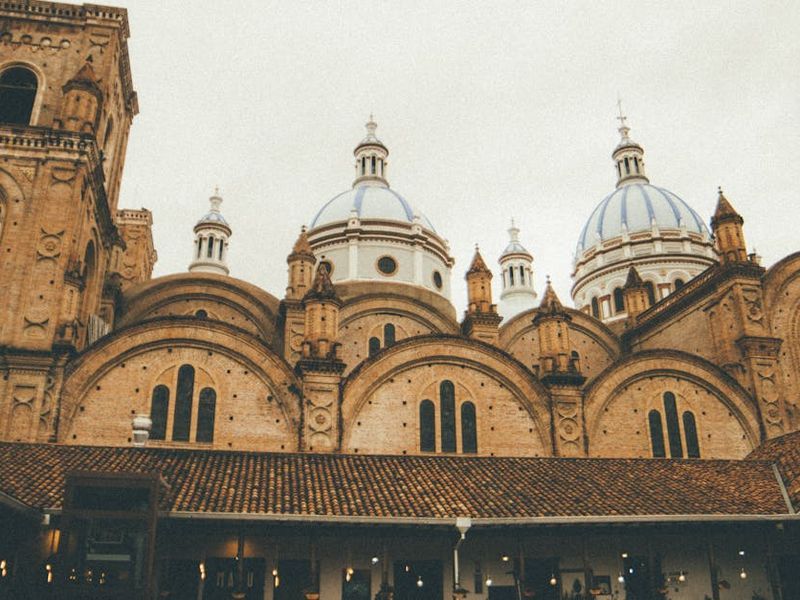
Cuenca, Ecuador’s colonial jewel nestled in the southern highlands, is a traveler’s dream for history, food, nature and slow-paced discovery. With a compact historic center, friendly neighborhoods, and dozens of accessible day-trip options, a week here gives you time to soak up local life and explore the surrounding Andes without feeling rushed. The city’s Spanish-colonial architecture, blue-domed cathedral, and tree-lined rivers make it an endlessly photogenic base for adventures.
Quick Practical Facts Before You Go
Cuenca sits at about 2,560 meters (around 8,400 feet), so plan for mild altitude adjustment on day one. Ecuador uses the US dollar, most ATMs and card terminals are reliable, and basic Spanish will make your stay smoother. Pack layers — mornings can be chilly, afternoons pleasant, and short, sharp rains are common year-round. Taxis are inexpensive but agree on fares if drivers don’t use meters; public buses are cheap for short trips. The airport (Mariscal La Mar, CUE) links Cuenca with Quito and Guayaquil, and long-distance buses connect the city to the rest of Ecuador.
How to Use This Week
This itinerary balances city exploration, cultural experiences, outdoor adventures and artisan shopping. You’ll have three full days for Cuenca’s historic streets and museums, two days for day trips (El Cajas and the craft towns), and time to relax, shop and eat like a local. Intermix active days with slower ones — a slow morning with a market breakfast followed by an afternoon museum is a perfect rhythm.
Day 1: Arrival, Acclimatize & First Stroll
After arriving, check into your hotel in the historic center or the El Barranco neighborhood by the Tomebamba River. Spend your first afternoon walking the Parque Calderón — the heart of Cuenca — to orient yourself. The cathedral with its sky-blue domes (Catedral de la Inmaculada Concepción) dominates the plaza. Wander side streets, pop into artisan shops on Calle Larga and sip a coffee at a sidewalk café. Keep activities light to let your body adjust to the altitude: hydrate, avoid heavy alcohol, and sleep early if needed.
First-day tips
- Hydrate and take it easy — short walks, plenty of water.
- Try a casual local meal: llapingachos (potato patties), locro de papas (hearty potato soup) or a small ceviche for a lighter option.
- Pick up a local SIM card at the airport or a downtown shop if you need data.
Day 2: Museums, Markets & Cathedral Rooftop
Spend a full day in Cuenca’s cultural core. Start early at Museo Pumapungo — an excellent archaeological and ethnographic museum with adjacent ruins and beautiful gardens. From there, head to the Old Cathedral and its small religious art exhibits. In the afternoon, explore the central market or municipal market where vendors sell fresh fruit, coffee and street-food classics. Finish your day with a climb up one of the cathedral towers or a nearby viewpoint for sweeping city panoramas at golden hour.
Must-sees and practicalities
- Museo Pumapungo: great for history and the living exhibits on indigenous cultures.
- Old Cathedral (Catedral Vieja): often houses small exhibitions and gives a sense of the city’s layered history.
- Bring small change for markets, and try a fresh fruit juice or a hot bolón for a budget-friendly bite.
Day 3: Artisan Shopping & Workshops
Cuenca has a strong craft tradition — silver in Chordeleg, woven goods, ceramics and the world-famous toquilla (Panama-style) hats. Spend a day exploring artisan neighborhoods and small workshops. Calle Larga and El Barranco are full of galleries; look for shops that offer live demonstrations and short workshops where you can try weaving, pottery or jewelry-making. If you want to focus on hats, several local cooperatives and small museums explain the weaving process and sell quality, responsibly made pieces.
Shopping smart
- Ask for certificates or details about materials (e.g., tagua, a sustainable “vegetable ivory”) to support ethical purchases.
- Bring a soft fabric bag for delicate ceramics and jewelry — many sellers can wrap items for travel.
- Bargaining can be polite but not aggressive; many shops have fixed prices, especially for museum-quality work.
Day 4: Day Trip to El Cajas National Park
One of the highlights close to Cuenca is El Cajas National Park — a moody, high-altitude landscape of mist, páramo and hundreds of small glacial lakes. It’s about a 40-minute drive to the park’s main access points. Join a guided trek to enjoy lake views, birding (look for the Andean condor on clear days) and an introduction to páramo ecology. Dress warmly and bring hiking shoes; weather changes quickly and a waterproof jacket is essential.
Hiking suggestions
- Short hikes (1–2 hours) are good for acclimatization; longer treks can take a full day.
- Pack snacks, water, sunscreen and extra layers. The sun is strong at altitude even when it feels cool.
- If you’re a photographer, arrive early for misty reflections on the lakes, and late afternoon for soft light.
Day 5: Gualaceo & Chordeleg — Crafts Outside the City
Venture east for a day to nearby small towns famous for crafts. Gualaceo is a lively market town with traditional foods and an authentic market experience. Chordeleg, only a short drive away, is known across Ecuador for its silver filigree and jewelry workshops. Spend time visiting artisan studios where you can watch silversmiths at work and buy directly from the maker. This day trip is ideal for souvenir hunting while supporting local economies.
How to get there
- Hire a driver or take a shared bus; organized tours are plentiful and convenient if you prefer a guide.
- Combine your visit with a nearby natural spot or waterfall if you want more outdoor time.
Day 6: Food & Coffee — Finca Visit or Cooking Class
Dedicate a day to Cuenca’s flavors. Take a cooking class focusing on Ecuadorian specialties — many classes include a market visit to choose ingredients. Alternatively, opt for a coffee or cocoa farm tour just outside the city to learn about bean-to-cup processes and sample single-origin roasts. Finish the day with a relaxed riverside dinner in El Barranco, where the ambiance of the Tomebamba River is especially lovely after sunset.
Foodie tips
- Try cuy (guinea pig) if you’re adventurous — roasted cuy is a traditional Azuay specialty often served on special occasions.
- For coffee lovers, ask about altitude and processing methods — the highland microclimates produce nuanced flavors.
- Look for vegetarian takes on traditional dishes if you avoid meat — many places adapt classic recipes with eggs and cheese.
Day 7: Flexible Day — Relax, Shop, Sunset at Turi
Use your final day for anything you missed. Revisit a favorite café, buy last-minute gifts, or take a short walk along the Tomebamba. In the afternoon, head up to Turi, a hilltop viewpoint and neighborhood that offers sweeping views across Cuenca and the surrounding valleys. It’s a lovely spot for sunset photos and to reflect on your week. If you’re flying out late, enjoy a relaxed dinner and perhaps some live music — Cuenca has a lively small-music scene in bars and cultural centers.
Safety, Health & Local Etiquette
Cuenca is considered one of the safer cities in Ecuador, but standard precautions against petty theft apply: keep valuables secure, don’t flash expensive gear, and be cautious on public transportation at night. Altitude effects are the biggest health consideration — take it slow, hydrate, and avoid strenuous exertion on your first day. Respect local customs: ask before photographing people (especially in indigenous markets), and be mindful of cultural sensitivities around religious processions and public ceremonies.
Packing Checklist for a Week in Cuenca
- Layered clothing (light sweaters, fleece, waterproof jacket)
- Comfortable walking shoes and a pair of sturdier hiking shoes for El Cajas
- Sunscreen, sunglasses and a hat (UV is strong at altitude)
- Reusable water bottle, snacks for day trips
- Basic Spanish phrase list and photocopy of passport; small cash for markets
- Travel adapter (Ecuador uses 120V, plug types A/B)
Responsible Travel Tips
Support local businesses — choose family-run guesthouses, buy crafts from artisans, and take tours that pay fair wages. Avoid items made from endangered species and ask about materials if you’re concerned (e.g., animal skins or unsustainable woods). When visiting rural or indigenous communities, be respectful: ask permission before taking photos, and if offered, accept cultural practices with curiosity and humility.
Final Notes: Make It Your Own
One week in Cuenca is enough to feel like you’ve lived there for a bit. The city’s pace encourages exploration without hurry: linger over coffee, let a street performance surprise you, and take detours down quiet alleys lined with colonial balconies. Whether your highlights are museums, mountain lakes, artisan workshops or food, Cuenca rewards curiosity. Use this itinerary as a framework, then adapt it to your energy level and interests — and leave a little room for serendipity.
Buen viaje — enjoy every cobblestone step.