
Table of Contents
Why Cuenca Belongs on Your Ecuador Itinerary
Nestled in Ecuador’s southern Andes, Cuenca charms visitors with colonial plazas, blue-domed cathedrals, and a relaxed pace that makes it easy to slow down and explore. A UNESCO World Heritage center, Cuenca is compact enough to explore on foot yet surrounded by dramatic highland scenery ideal for day trips. If you’re arriving for the first time, this guide collects practical tips and local details so you spend less time worrying and more time discovering.
Arrival: Getting There and Getting Oriented
Most international travelers connect to Cuenca via Quito or Guayaquil. Cuenca’s local Mariscal Lamar Airport (CUE) handles domestic flights and a few regional routes — flights can be convenient but expect small aircraft and sometimes fog delays. If you prefer overland travel, comfortable intercity buses link Cuenca with Quito, Guayaquil, and Loja; the schedules are frequent and services range from economy to executive coaches.
Once you arrive, head to the historic center (Centro Histórico) around Parque Calderón to get your bearings — it’s where the main sights, most hotels, and great restaurants are clustered. Walk the riverfront along the Tomebamba River for an immediate feel for the city’s rhythms and architecture.
Practical Essentials: Money, SIMs, and Language
Currency: Ecuador uses the US dollar, which simplifies budgeting. ATMs are common in the city center; large stores and restaurants accept credit cards, but carry cash for markets, taxis and small cafes. Keep a few small bills for tips, taxis, and market haggling.
SIM cards: Local providers (Claro, Movistar and CNT) sell prepaid data SIMs at kiosks and official stores. An unlocked phone and a passport will get you a local plan for good coverage in town and for day trips to places like Cajas National Park.
Language: Spanish is the dominant language. In tourist areas you’ll find English speakers, but basic Spanish phrases will go a long way. Politeness matters — say por favor and gracias — and a few phrases will open doors to friendlier interactions.
Weather & What to Pack
Cuenca sits at about 2,560 meters (roughly 8,400 feet) above sea level, which gives it a mild, spring-like climate year-round. Expect cool mornings and evenings and sun in the afternoons. Weather can shift quickly — microclimates are common in the Andes — so dressing in layers is essential.
- Pack: a lightweight waterproof jacket, a warm sweater or fleece, long pants, comfortable walking shoes (cobblestones are everywhere), sunscreen, and a hat.
- Altitude: most visitors tolerate this elevation comfortably, but some experience mild shortness of breath or headaches. Stay hydrated, take it easy on the first day, and avoid heavy exertion. If you are prone to altitude sickness, consult a doctor beforehand about preventive options like acetazolamide.
Top Neighborhoods and Where to Stay
For first-time visitors, the Historic Center around Parque Calderón is unbeatable — you’ll be steps from the New Cathedral with its striking blue domes, museums, cafes, and many guided tour departures. The area is walkable and lively both day and night.
If you prefer quieter, more residential vibes while still close to downtown, look for accommodations near the Tomebamba River promenades or in neighborhoods that border the historic core. These areas often offer more green space and local markets within walking distance.
Getting Around: Walking, Buses, and Taxis
Cuenca is an excellent walking city. The main sights in the historic center are compact and most streets are pedestrian-friendly. Bring comfortable shoes for uneven cobbles.
Public buses are extremely inexpensive and cover a wide network — routes can be confusing for first-timers, so ask hotel staff for the best line and a destination map. Taxis are cheap and plentiful; many drivers do not use meters, so ask for an approximate fare before you get in or request a hotel to call a taxi for you. For late-night returns use a reputable taxi rather than walking alone.
Renting a car is optional: it gives you flexibility for day trips but driving in the historic center and on some mountain roads can be challenging. If you rent, choose a small car for narrow streets and verify parking with your hotel.
Must-See Sights & Day Trips
Within the city:
- Parque Calderón and the Nueva Catedral: The blue-domed cathedral is Cuenca’s most iconic sight; climb its towers for panoramic views.
- Pumapungo Museum and archaeological park: Offers ethnographic displays and ruins linked to the Cañari and Inca past, plus botanical and living-history areas.
- Calle Larga and Calle del Artesano: Great for people-watching, cafes, and artisan stalls.
- Turi viewpoint (Mirador de Turi): Short drive or taxi for sweeping city vistas and craft stalls.
Day trips:
- Cajas National Park: A high-Andean reserve of dramatic glacial lakes, moorland paths and excellent hiking. Bring warm layers and a guide if you plan strenuous treks.
- Ingapirca: The largest Inca ruin in Ecuador, easily visited on a day trip east of Cuenca; combine with a stop in the mountain towns along the way.
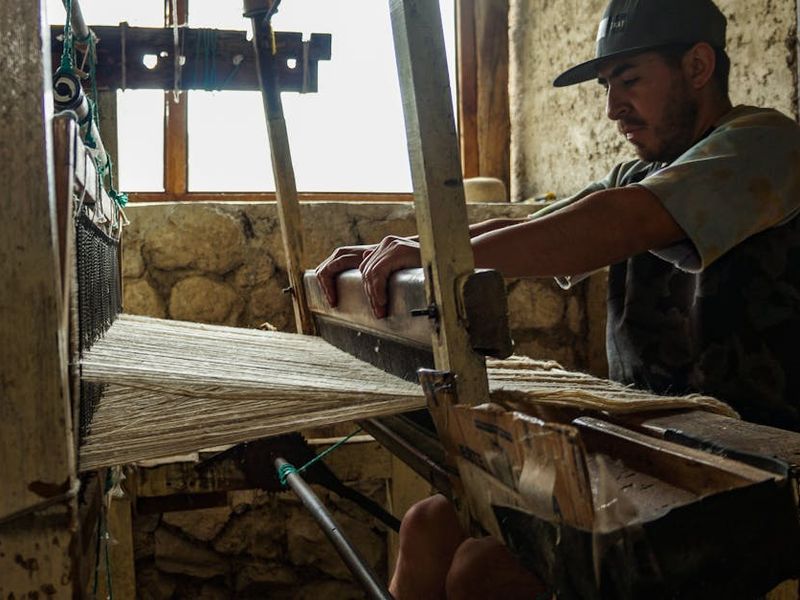
- Gualaceo and Chordeleg: Nearby artisan towns. Gualaceo is known for textiles and woven goods; Chordeleg for silver filigree jewelry and craft markets.
- El Cajas surrounding lakes and birdwatching: Ideal for photographers and nature lovers.
Food & Drink: What to Try
Cuenca’s cuisine is hearty Andean comfort with tasty local specialities. Don’t miss these:
- Locro de papas: A creamy potato and cheese soup that’s a perfect highland staple.
- Hornado: Slow-roasted pork served with mote (hominy) and salad.
- Cuy (guinea pig): A traditional dish sometimes served at restaurants for adventurous eaters.
- Helados de paila: Hand-churned fruit ice cream made in a shallow, cooled pan — refreshing after a day of walking.
- Market food: Visit Mercado 10 de Agosto or other local markets for fresh fruit, tamales, and empanadas at very low prices.
Cafes in the historic center serve excellent local coffee; try a small roaster to sample Ecuadorian beans. For dietary preferences or restrictions, larger restaurants are accommodating, but market stalls are often traditional in ingredients.
Shopping: What to Buy and Where
Cuenca is famous for artisanal crafts. Top purchases include toquilla (Panama) hats woven nearby, handwoven textiles, pottery, and Chordeleg silver jewelry. For authentic pieces, visit the artisan markets outside the main tourist flows — you’ll find better prices and a chance to see makers at work.
Haggling: Friendly bargaining is normal at markets; a 10–30% negotiation is typical depending on the item. Be polite and smile — bargaining can be part of the fun rather than a confrontation.
Safety: Staying Smart in Cuenca
Cuenca is considered one of the safer cities in Ecuador, but petty theft and occasional scams occur like anywhere. Practical safety tips:
- Keep valuables out of sight and use a crossbody bag or money belt in crowded areas.
- Make photocopies of your passport and keep the original in the hotel safe.
- Be cautious at ATMs; use machines inside banks or busy locations.
- Agree on taxi fares or use a hotel-ordered taxi at night.
- Stay on well-lit streets after dark and avoid walking alone in unfamiliar outskirts.
Health & Emergency Basics
Tap water in Cuenca is treated and many locals drink it, but some travelers prefer bottled water to avoid stomach upsets. Pharmacies are widespread and pharmacists often give helpful advice; major hospitals and clinics are located in the city if you need medical care.
Altitude can affect some visitors. Symptoms are usually mild (headache, fatigue). Hydrate, rest on arrival, and pace outdoor activities on your first day. If symptoms worsen — severe shortness of breath, chest pain, or confusion — seek medical attention immediately.
Emergency number: 911 works throughout Ecuador for police, fire and medical assistance.
Local Customs and Etiquette
Cuencanos tend to be polite and reserved in first interactions. Shake hands for introductions, and use formal titles when in doubt. A few cultural pointers:
- Dress modestly when visiting churches or formal venues.
- Be punctual for tours and reservations, though social settings can be more relaxed.
- Tipping: 10% is common in restaurants if service is good; some places include a service charge — check your bill.
Planning Your Itinerary: How Much Time to Spend
If you have 2–3 days, focus on the historic center, a museum or two, and a scenic viewpoint or short river walk. With 4–7 days you can comfortably add day trips to Cajas, Ingapirca, and artisan towns. The longer you stay, the more you’ll appreciate the city’s slower rhythm and the chance to wander neighborhoods away from the tourism trail.
Final Tips for a Smooth Trip
- Download offline maps and save important addresses in both Spanish and English.
- Carry a small amount of change for bus rides and market purchases.
- Learn a few Spanish phrases — people notice and often respond warmly.
- Respect local timetables: many shops close for a midday break in smaller neighborhoods.
- Reserve Cajas and Ingapirca tours in advance during high season (June–September and holiday weeks).
Cuenca is a place to slow down, savor, and explore at a gentle pace. With a little preparation — comfortable shoes, layered clothes, and an openness to local customs — you’ll find the city’s plazas, markets and surrounding highlands exceptionally rewarding. Enjoy the museums, taste the local flavors, and leave time for unplanned discoveries: Cuenca rewards the curious traveler.