
Table of Contents
Welcome to Cuenca: A Quick Orientation
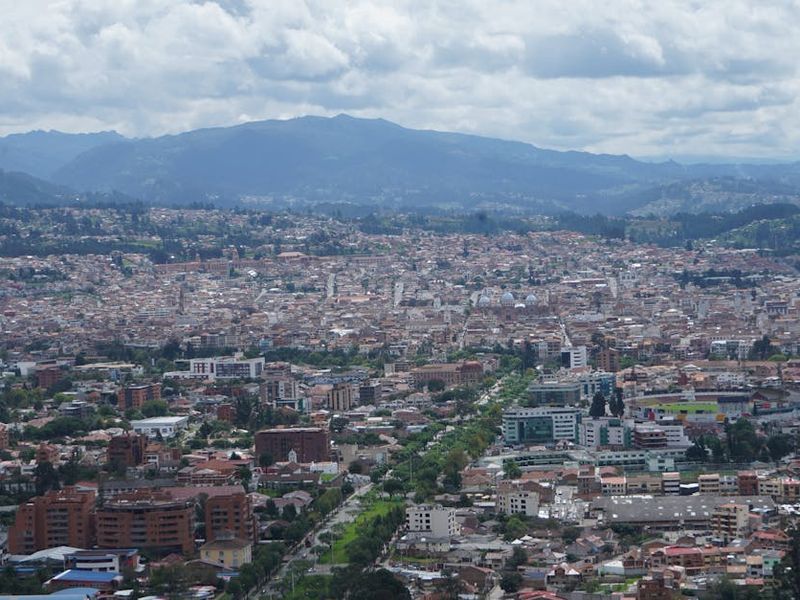
Cuenca, Ecuador’s jewel in the southern highlands, charms visitors with cobblestone streets, blue-domed cathedrals, and a relaxed pace of life. If this is your first visit, you’ll benefit from a little preparation: the city is compact and walkable but sits high in the Andes, has an all-year mild climate, and blends indigenous and colonial cultures in every plaza and market. These practical tips will help you make the most of your first days and avoid common pitfalls.
Arrival & First Steps: Airport, Buses and First Impressions
Most international travelers connect to Cuenca via Quito or Guayaquil and then take a short domestic flight to Mariscal La Mar (CUE), Cuenca’s airport. Flight times are typically 30–45 minutes from those hubs. From the airport to the historic center expect a roughly 20–30 minute taxi ride depending on traffic — agree on a fare or use an official airport taxi stand.
If you prefer ground travel, buses from Guayaquil take about 3.5–4.5 hours and from Quito around 8–9 hours. Buses are comfortable and a budget-friendly option; look for reputable companies and daytime departures if you want to enjoy the mountain scenery.
Where to Stay: Choosing the Right Neighborhood
Cuenca’s compact city center — the UNESCO-designated Historic District around Parque Calderón — is the prime choice for first-timers. Staying here puts you within walking distance of the New Cathedral (blue domes), museums, artisan stalls and riverside promenades. The center is lively day and night and ideal if you like to explore on foot.
If you seek quieter residential streets or want slightly lower prices, consider accommodations a short walk from the center toward the river neighborhoods. These areas preserve the city’s charm but can be a touch calmer after sunset. For longer stays, ask about laundry facilities and a kitchen to save on dining costs.
Getting Around: Walking, Taxis, and City Buses
The historic core of Cuenca is very walkable. Expect cobblestones and narrow alleys; comfortable, supportive shoes are a must. Walking is the best way to discover small churches, artisan shops and riverside views of the Tomebamba.
Taxis are inexpensive and plentiful. Official taxis are orange or sometimes white — ask your hotel to call one if you’re uncertain. Many drivers still prefer a negotiated fare for short trips, so have approximate costs in mind (and small bills). Ride-hailing apps and radio taxi services are also available for hassle-free rides with fixed rates.
Public buses operate on fixed routes and are the cheapest option but can be crowded during rush hours. Bus travel is great for short distances and to reach neighborhoods outside the center; have small change ready and be mindful of pickpockets in busy vehicles.
Weather & What to Pack
Cuenca’s climate is famously spring-like year-round because of its elevation (around 2,560 meters or 8,400 feet). Temperatures usually range from the mid-50s to mid-70s °F (13–24 °C), but mornings and nights can be cool. Weather can be changeable: a sunny morning may bring a wet afternoon. Pack layers — lightweight shirts, a warm sweater or fleece, and a waterproof jacket.
Other packing essentials include comfortable walking shoes for uneven streets, sunscreen and sunglasses (UV exposure is stronger at altitude), a small umbrella or rain jacket, and a hat. If you plan day hikes in nearby national parks, include hiking boots and a warm mid-layer.
Altitude Tips: Stay Comfortable & Enjoy Your Trip
Although Cuenca sits at high altitude, most visitors acclimatize quickly. If you arrive from sea level, take the first 24–48 hours easy: avoid intense exercise, drink plenty of water, and limit alcohol. Many locals and visitors sip coca tea, sold in markets and cafes, to ease mild headaches or sleep issues related to elevation. Over-the-counter remedies and rest usually resolve symptoms; if you have heart or respiratory conditions, consult your doctor before traveling.
Money, ATMs, and Costs
Ecuador uses the U.S. dollar as its official currency. ATMs are common in the city center and at shopping malls, and most accept major debit and credit cards. It’s wise to carry some cash for markets, taxis (small bills), and places that don’t take cards. Banks and certified exchange houses offer the safest rates; avoid exchanging money on the street.
Cuenca is generally inexpensive compared to North American and European cities: local meals and street food are very affordable, while mid-range restaurants offer solid dinners without a premium price. Tipping is appreciated but not always mandatory — rounding up or leaving 5–10% at sit-down restaurants is common, and a small tip for porters and hotel housekeeping is thoughtful.
SIM Cards, Connectivity and Apps
Major mobile providers include Claro, Movistar and CNT. You can buy prepaid SIM cards with your passport at official stores; staff can help set up data plans. Many cafes and hotels offer free Wi-Fi, but speeds may vary, so a local SIM with data can be handy for maps and ride apps. Useful apps include offline maps, a Spanish phrasebook or translator, and local taxi apps if available.
Food, Markets & Where to Eat
Cuenca’s food scene mixes traditional Andean cuisine with international options. Don’t miss trying hornado (slow-roasted pork), llapingachos (potato patties), and hearty soups like locro de papa. Street vendors and mercados are the best places to experience local flavors and find very budget-friendly meals.
Visit Mercado 10 de Agosto (a principal market) and the artisan markets around the main square to sample produce, local cheeses, herbal remedies and freshly baked bread. Cuenca is also known as a top spot to buy Panama (toquilla) hats, alpaca textiles, and silver jewelry — bring an extra suitcase if you plan to shop. A quick tip: haggle politely at artisan stalls but expect fixed prices in boutiques.
Top Sights in the City
Start at Parque Calderón — the city’s heartbeat — surrounded by cafes, cathedrals and museums. Walk along the Tomebamba River and cross the small historic bridges to reach leafy promenades and antique shops. The New Cathedral (with its iconic blue domes) and the old cathedral towers are photo favorites.
Museums in Cuenca cover everything from religious art to local history and contemporary exhibits. Take time to explore side streets to discover small galleries, handicraft workshops, and cozy coffee shops. If you like photography, the sunsets along the river and views from the surrounding hills reward early risers and golden-hour walkers.
Easy Day Trips: Nature, Ruins & Craft Towns
Cuenca makes an excellent base for day trips. El Cajas National Park, less than an hour away by car, offers spectacular highland lakes, páramo landscapes and accessible trails for moderate hikers. Pack warm layers and waterproof gear — the weather changes quickly at elevation.
For history buffs, Ingapirca — Ecuador’s largest Inca archaeological site — is a popular excursion and will take a couple of hours by car or bus. Nearby artisan towns such as Gualaceo and Chordeleg are famous for weaving, silverwork and ceramics, and are great for buying handcrafted souvenirs while supporting local artisans.
Health, Pharmacies, and Medical Care
Cuenca has a range of medical facilities, including private clinics and pharmacies with English-speaking staff in tourist-focused areas. For minor ailments most pharmacies can advise or sell over-the-counter remedies. That said, always travel with basic travel insurance that covers medical evacuation if needed. Carry prescription medications in their original containers and bring copies of your prescriptions.
Cultural Etiquette & Local Customs
Cuenca is friendly and polite. A simple greeting — hola or buenos días — goes a long way. Handshakes are common for first meetings; a light kiss on the cheek is typical among friends or women. Address people politely using usted until invited to be more informal (tú). Learning a few Spanish phrases will enhance interactions and often opens doors to warmer hospitality.
Respect for religious traditions and community events is important: if you encounter processions or church festivals, observe quietly and ask permission before photographing people up close. Many local festivals fill plazas and streets; they are vibrant and a great opportunity to see local culture in full color.
Safety: Common-Sense Tips
Cuenca is one of Ecuador’s safer major cities, but petty theft such as pickpocketing can occur in tourist hotspots and on crowded buses. Keep valuables secure, carry a copy of your passport (store the original in your hotel safe), and avoid poorly lit streets late at night. When using taxis, prefer licensed cars or have your hotel call a reputable service. Always be cautious with new acquaintances; avoid flashing expensive electronics or large amounts of cash in public.
Practical Tips & Final Reminders
- Carry ID: Bring a photocopy of your passport and keep your passport in a hotel safe.
- Power and adapters: Ecuador uses 120V/60Hz with North American-style plugs; bring an adapter if needed.
- Water: Tap water in Cuenca is generally treated; many visitors prefer bottled or filtered water for drinking.
- Payment: Have small bills and coins for taxis and market purchases.
- Research festivals: Local holidays and festivals can change opening hours for shops and services — check local calendars if your trip coincides with big events.
Planning a Longer Stay?
If you’ll be in Cuenca for a few weeks or months, open a local bank account if you plan to live there longer, investigate monthly public transport passes, and look into Spanish classes (many language schools offer short intensive courses). Consider renting a furnished apartment to get a better feel for daily life, and use community Facebook groups or expat meetups to ask practical, up-to-date questions about services and tips.
Final Thoughts: Travel Smart, Travel Curious
Cuenca rewards travelers who slow down and explore with a curious, respectful mindset. Take time to wander the plazas, sample the markets, and chat with shopkeepers — you’ll find warmth, history and a lively arts scene tucked between the mountain peaks. With the right preparation, a little altitude awareness and an open attitude, your first visit to Cuenca will likely be the start of many returns.
Buen viaje — enjoy discovering Cuenca’s cobblestone streets, blue domes and mountain views.