
Table of Contents
Why Cuenca Is the Best Place in the World for Dental Tourism
If you’re considering dental implants, crowns, or veneers, Cuenca, Ecuador deserves serious attention. This charming Andean city combines world-class dental care with dramatic cost savings, modern clinics, and an unmatched recovery environment. Many patients find they can get premium dental work here for 60–70% less than in the United States or Canada without compromising quality or comfort.
Cuenca has become a center of dental tourism for clear reasons: highly trained dentists, clinics equipped with cutting-edge technology, short wait times and personalized, one-on-one patient care. When you add the city’s mild climate, easy pace of life, and abundant cultural attractions, Cuenca becomes more than a treatment site — it becomes a dental vacation destination where you can heal while enjoying one of South America’s most beautiful historic cities.
Dramatic Cost Savings Without Sacrificing Quality
How the Numbers Add Up
Cost is the headline advantage for many dental tourists. In North America, a single dental implant including the crown can range from $3,000 to $6,000 or more. In Cuenca, comparable implant procedures commonly cost 60–70% less. That often translates to an implant and crown for approximately $900–$1,800, crowns for $200–$500, and veneers for a fraction of U.S. prices. These numbers vary by clinic and material, but the substantial savings are typical.
Those savings let patients get more comprehensive care — multiple implants, higher-end materials, or additional cosmetic work — for the price of a single or partial treatment at home. For retirees or those on fixed incomes, this makes restorative and cosmetic dentistry accessible without sacrificing quality.
World-Class Dentists Trained Locally and Internationally
Exceptional Education and Continuing Training
Cuenca’s dental professionals are educated at top Ecuadorian universities and many pursue continuing education or specialist training abroad in North America and Europe. Continuing education is common, and many dentists regularly attend international conferences and implantology courses to stay current with best practices.
When you choose a clinic in Cuenca, you’ll often meet dentists who specialize in implantology, prosthodontics, periodontics, and cosmetic dentistry. Many clinics also collaborate with dental labs and specialists to deliver coordinated care — digital planning meeting expert lab technicians to create lifelike crowns and veneers.
Modern Clinics and Cutting-Edge Technology
Imaging, Digital Planning, and Same-Day Solutions
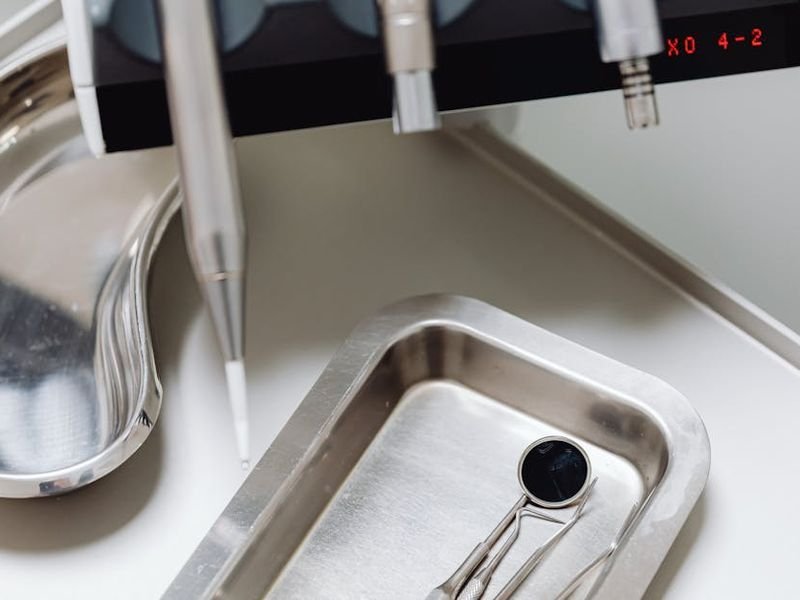
Private dental clinics in Cuenca invest in modern, hygienic facilities with advanced diagnostics and treatment tools. Expect to find intraoral scanners, digital X-rays, CBCT (3D cone beam) imaging, CAD/CAM milling machines, and 3D printing for surgical guides. These technologies enable precise implant placement and natural-looking restorations.
Many clinics offer same-day or accelerated solutions like guided surgery and temporary restorations. Combined with careful planning, this technology often shortens chair time, improves predictability, and reduces recovery hassles for international patients.
One-on-One Care and Short Wait Times
Personalized Attention That Feels Like Vacation Service
Unlike larger institutional settings where patients may rotate through multiple providers, many Cuenca clinics emphasize personalized, one-on-one care. You’ll frequently work directly with the same dentist from consultation through follow-ups, and language support (English-speaking staff or translators) is common because of the city’s large expat community.
Another practical advantage: wait times are short. Appointments and procedures that might be scheduled months out in other countries are often available within days or weeks in Cuenca. This efficiency is a major draw for people who want quick, reliable care without long delays.
What to Expect: The Dental Implant Journey in Cuenca
Pre-Trip Planning and Virtual Consultations
Start with photos, a recent dental X-ray if you have one, and a description of your goals. Many Cuenca clinics offer virtual consultations by phone, WhatsApp, or tele-dentistry platforms. During this stage you can receive a preliminary treatment plan, cost estimate, and a recommended timeline so you can book flights and accommodations with confidence.
Bring medical history and a list of medications. If you’re traveling from abroad, ask the clinic whether they require any lab tests or a full CBCT scan upon arrival.
Treatment Timeline — Typical Phases
- Initial visit: comprehensive exam, CBCT imaging, and treatment plan (1–2 days).
- Surgical placement: implant(s) are placed under local anesthesia (often 1 day).
- Healing phase: osseointegration usually takes 8–12 weeks (shorter with some protocols).
- Abutment and impressions: once healed, abutments are attached and impressions taken (1–2 visits).
- Final restoration: custom crown or bridge fitted and adjusted (1 visit).
Some clinics offer immediate-load implants (temporary crowns placed the same day as implant surgery) when bone quality and implant stability allow. Your dentist will recommend the approach that balances speed and long-term success.
Combine Treatment with a Recovery Vacation
Cuenca’s Ideal Healing Environment
Cuenca’s mild, spring-like climate makes it especially suited for recovery. At about 2,560 meters (8,400 feet) elevation, the air is crisp and daytime temperatures are comfortable year-round — perfect for gentle walks and outdoor sitting without extreme weather stress. The city’s relaxed pace, tree-lined streets, and picturesque riverbanks provide a calming backdrop for healing.
Staying near the historic center (a UNESCO World Heritage site) gives you easy access to plazas, cafes, and parks where you can rest between appointments. The combination of low-stress surroundings and friendly service at local hotels and guesthouses makes recovery feel like part of the vacation.
Light Activities While You Heal
- Stroll along the Tomebamba River or through Parque Calderón — gentle, low-impact walks ideal after implant surgery.
- Visit museums, artisan markets, and local cafes for short outings.
- Take day trips to the nearby Cajas National Park for scenic drives and short nature walks when your dentist clears light activity.
Many patients schedule a 7–14 day stay for surgical placement and initial healing, then return for follow-up appointments or send digital updates to the clinic during their stay back home.
Choosing the Right Clinic: Practical Tips and Questions to Ask
What to Look For
- Look for clinics that show clear before-and-after galleries, list dentist credentials, and provide treatment plans and itemized pricing in writing.
- Check whether the clinic uses international implant brands and high-quality ceramics for crowns and veneers.
- Ask about sterilization protocols, imaging technology (CBCT), and whether laboratory work is done in-house or by a trusted local lab.
Important Questions to Ask During Your Consultation
- What is the full expected timeline, including healing phases and follow-up visits?
- How many implants like mine has the dentist placed, and can they provide patient references or testimonials?
- What brands of implants and materials do you use, and what kind of warranty or guarantee do you offer?
- Is there emergency coverage, and what happens if there are complications after I return home?
Travel Logistics, Payments, and Practicalities
Flights, Airport, and Getting Around
Cuenca’s Mariscal La Mar Airport (CUE) connects via domestic flights from Quito or Guayaquil and has increasing international connections. Many patients fly into Quito or Guayaquil and take a short domestic flight or comfortable bus ride to Cuenca. Taxis, ride apps, and private transfers are widely available to take you from the airport to your hotel or clinic.
Payments, Insurance and Warranties
Most clinics accept cash, major credit cards, and bank transfers. Always obtain detailed receipts and a written treatment agreement. While domestic health insurance rarely covers international dental tourism, some clinics offer warranties or post-treatment checks for a set period. Consider travel insurance that covers medical travel and potential complications, especially if you plan to return home before final restorations are completed.
Aftercare, Long-Term Value, and Follow-Up
Simple Aftercare for a Durable Result
After implant surgery, follow your dentist’s instructions for cleaning, diet, and medications. Soft foods, careful brushing, and avoiding strenuous activity for the first few days are common recommendations. Most patients find that the comfortable environment of Cuenca makes it easy to follow aftercare advice — good food options, pharmacies for prescriptions, and bilingual staff to help with instructions.
Long-Term Value and Ongoing Care
High-quality implants and restorations placed by experienced clinicians can last many years with proper care. The incredible value in Cuenca is not just the lower upfront price — it’s the ability to afford comprehensive care, premium materials, and cosmetic refinements that improve function and confidence for the long term. Ensure you have a plan for regular check-ups either with your Cuenca dentist (some offer remote follow-up) or a trusted local dentist at home.
Sample Itineraries: How to Combine Treatment with Sightseeing
Short Trip (7–10 days): Implant Surgery + Recovery
- Day 1–2: Arrival, initial exam, CBCT scan, and plan confirmation.
- Day 3: Implant surgery and same-day local care instructions.
- Day 4–9: Gentle recovery, short walks, museum visits, and follow-up check.
- Return home and schedule follow-up with Cuenca clinic for restoration placement as needed.
Longer Trip (2–4 weeks): Surgery + Prosthetic Phase
- Complete the surgical phase and stay through initial healing and abutment placement.
- Work with your dentist to complete impressions and fit temporary or final crowns on-site.
- Enjoy more extensive sightseeing and day trips while your dentist monitors healing.
Final Thoughts: Exceptional Value, Exceptional Care
Cuenca, Ecuador is a compelling choice for dental implants, crowns, and veneers because it blends affordability with high standards of care. You can expect highly trained dentists, modern clinics, short wait times, and personalized attention — all while saving a substantial amount compared to prices in the U.S. and Canada. Add in Cuenca’s restorative environment, friendly expat community, and abundance of cultural and natural attractions, and you have a dental vacation that heals your smile and feeds your spirit.
If you’re researching dental tourism, visit clinics’ websites, read recent patient reviews, and begin with a virtual consultation to receive a treatment outline and cost estimate. With careful planning, Cuenca can deliver safe, reliable, and life-changing dental results while giving you a memorable trip in one of Ecuador’s most beautiful cities.