
Table of Contents
Why Cuenca is a Smart Choice for Canadian Retirees
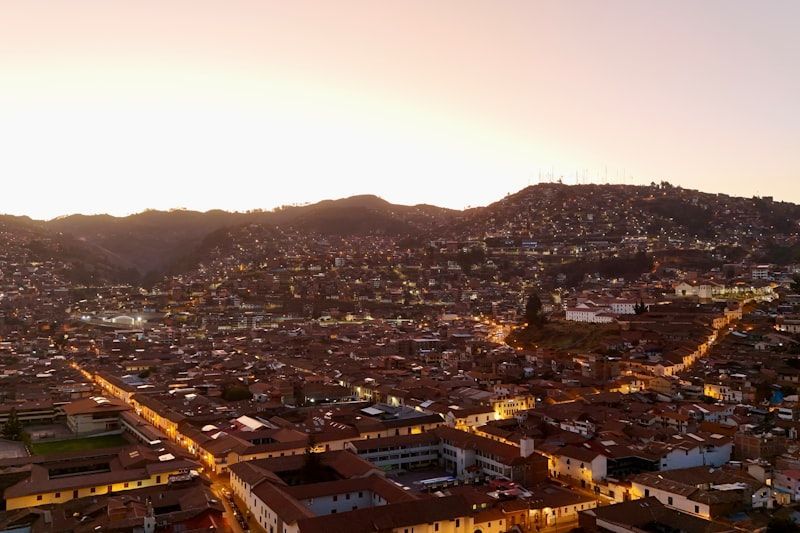
Cuenca, Ecuador’s third-largest city, draws retirees with its mild mountain climate, colonial charm and unexpectedly affordable lifestyle. Set in the southern Andean highlands at about 2,500–2,600 meters above sea level, the city enjoys “eternal spring” weather and a walkable historic center full of parks, markets and cafés. For Canadians looking to stretch a fixed pension income, Cuenca’s combination of lower everyday costs, good private medical care and a thriving expat community makes it an attractive option.
Understanding the Financial Basics: Currency, Transfers and Budgeting
Ecuador uses the US dollar for daily transactions, so when you plan your finances convert your CAD pension into USD and track exchange rates. That conversion becomes a major lever for stretching income: paying attention to fees and transfer rates can save hundreds per year.
Practical money tips
- Keep a Canadian bank account for direct pension deposits (CPP, OAS) and consider using specialist money-transfer services such as Wise, OFX or your bank’s international transfer to move funds when rates are favorable.
- Open a local Ecuadorian bank account after you secure residency; it makes paying utilities and rent easier. Popular local banks include Banco del Pacífico, Banco del Pichincha and Banco Austro.
- Avoid frequent ATM withdrawals that incur foreign fees. Use a debit/credit card with low foreign transaction fees or withdraw larger sums less often.
Realistic Monthly Budgets — What Your Pension Can Cover
Pension needs vary widely by lifestyle, housing choice and health needs. Below are three sample monthly formats (USD used for local context; approximate CAD equivalents depend on current rates).
- Frugal solo retiree: USD 800–1,200/month (~CAD 1,100–1,650). Shared or small apartment rental, cook at home, use public transport, modest medical insurance.
- Comfortable couple: USD 1,500–2,500/month (~CAD 2,050–3,400). Two-bedroom apartment in a good neighborhood, eating out occasionally, private medical visits, some travel in Ecuador.
- Upscale lifestyle: USD 3,000+/month (~CAD 4,100+). Private health insurance with wide coverage, a modern condo in the Centro Histórico, dining out, regular private travel and home help.
These ranges are illustrative—housing is the biggest variable. A one-bedroom apartment in or near the historic center can be inexpensive compared to Canadian rents, while newer condos with amenities cost more.
Residency and Visas: The Pensionado (Retiree) Path
To stay long-term you’ll want formal residency. The most common route for pensioners is the Pensionado visa (retiree visa), intended for people with a lifetime pension. The requirements change from time to time, but the typical process includes:
- Proof of a stable monthly lifetime pension income (official amounts have varied; check current minimums at the Ecuadorian consulate or Ministry of Foreign Affairs).
- Copies of passport and passport photos.
- Criminal record check from Canada, authenticated for use in Ecuador (often requires legalization or an apostille and translation to Spanish).
- Medical exam or proof of health insurance in some cases.
- Filing the application through an Ecuadorian embassy/consulate or once in-country at the Ministry of Foreign Affairs (MREMH).
Processing timelines can range from weeks to a few months. Many retirees use a local immigration attorney or a relocation service to avoid setbacks and handle document legalization. Once approved you receive a residency card (cédula) and can open local accounts, buy property, and access some public services.
Healthcare: Quality Care Without Canadian Prices
Healthcare is a central consideration. Ecuador offers both public and private options. Expats with a Pensionado visa can access the public social security system (IESS) by making certain contributions or through private pay arrangements, but many seniors choose to start with private insurance and clinics.
What to expect in Cuenca
- Good private hospitals and clinics—English is less common than Spanish, but many doctors serving expats speak English or will use interpreters.
- Routine care and dental work are typically much less expensive than in Canada; high-quality specialists and diagnostic tests are available locally.
- Consider supplemental private insurance for comprehensive coverage, especially if you have chronic conditions or require frequent care.
Before you move, ask your Canadian insurer about international coverage and register prescriptions with your doctor. Bring a supply of critical medications and a copy of prescriptions in Spanish where possible.
Housing: Rent First, Buy Later (Know the Neighborhoods)
Most newcomers rent for at least six months to a year. This gives time to explore neighborhoods, learn the city’s rhythms and decide where you’d like to settle. Cuenca’s neighborhoods each have unique personalities:
- Centro Histórico — Charming colonial core with cobblestone streets, markets and easy access to shops and cafés. Great for walking but can be noisy and more touristy.
- El Vergel / Rio Yanuncay — Residential areas with parks and quieter streets; affordable options and family-friendly vibe.
- Turi — Elevated area with panoramic views of the city, close to the Turi viewpoint and popular with families and retirees who want scenic surroundings.
- Bellavista / Pumapungo — Near universities and cultural sites; lively and convenient for cultural events.
When renting, insist on a written contract (in Spanish, with a translated copy), survey the apartment for utilities and water pressure, and check for monthly fees (administración) in condo buildings. If you decide to buy, use a trusted local notary and have a lawyer review the property title — Ecuadorian property law differs from Canada.
Safety, Daily Life and Getting Around
Cuenca is widely regarded as one of Ecuador’s safer cities, but petty theft is a reality. Use common-sense precautions: keep valuables out of sight, use hotel safes, avoid isolated streets at night and use official taxis or ride-hailing apps.
Transport tips
- Public buses are cheap and cover most of the city; routes are extensive but can be crowded.
- Taxis and ride-hailing services (where available) are affordable. Agree on meter use or fare before starting, or use an app to avoid confusion.
- Walking is often the best way to enjoy the historic center; bring layers for the microclimates that change by neighborhood and time of day.
Learning Spanish and Building Community
Even basic Spanish will make life in Cuenca more rewarding. Language schools and private tutors are plentiful and affordable. Community centers and universities often offer Spanish conversation groups tailored to expats.
- Join local expat meetups — look for Facebook groups like “Cuenca Expats” or Canadian-specific groups where you can ask practical questions and find social connections.
- Volunteer at cultural events or local charities to meet locals and contribute to the community.
- Attend festivals (e.g., Corpus Christi celebrations and patron saint festivals) and local markets to immerse yourself in Ecuadorian culture.
Taxes: What Canadians Need to Know
Tax residency is a complex issue. Canada taxes residents on worldwide income, so if you plan to sever Canadian tax residency you should speak with a cross-border tax advisor. Some essential points:
- Keep clear records about the date you become a non-resident of Canada. The ties that define residency can include property, family, bank accounts and other social connections.
- Even as a non-resident, you may have Canadian tax obligations related to certain types of income or assets.
- Canada and Ecuador do not have a comprehensive income tax treaty to eliminate double taxation in all situations—confirm current status with a tax professional.
Professional advice will help you structure pension withdrawals, RRSP/RRIF decisions and potential tax liabilities.
Logistics: What to Bring, Ship or Buy Locally
Deciding what to bring depends on your priorities. Shipping a container is expensive and sometimes unnecessary because many household items and furniture are available in Cuenca at reasonable prices. Consider these points:
- Bring specialty items or family heirlooms; sell or donate large appliances and vehicles that are costly to import.
- Importing a vehicle can be complicated and expensive because of taxes and legal restrictions—many expats sell their car in Canada and buy locally.
- Papers for pets: get up-to-date vaccinations and obtain a health certificate from CFIA. Ecuador has entry rules for animals—check requirements well in advance.
Step-by-Step Timeline: From Decision to Settled
Here is a practical timeline to make the move manageable:
- 6–12 months before: Research neighborhoods, budget, healthcare and visa options. Make exploratory visits if possible.
- 3–6 months before: Begin gathering documents for residency (criminal record check, pension documentation), meet financial advisors and plan tax implications.
- 1–2 months before: Arrange temporary housing for arrival, notify Canadian pension authorities about international payments, book medical checkups and prescriptions.
- Arrival and first 3 months: Apply for residency, open local bank accounts, get SIM card, enroll in a local clinic, begin Spanish classes and meet the expat community.
- 6–12 months: Decide on long-term housing (rent vs buy), finalize healthcare plans and integrate more deeply into local life.
Common Pitfalls and How to Avoid Them
Many retirees find the transition smooth, but some common mistakes are avoidable with planning:
- Underestimating the importance of Spanish—take lessons before you arrive.
- Not securing health coverage early—expect a waiting period for public programs; buy private coverage initially.
- Rushing to buy property—rent first to learn the market and neighborhood nuances.
- Trusting informal movers or agents without references—use certified professionals for legal, banking and property transactions.
Final Thoughts: A Balanced, Sustainable Retirement in Cuenca
Retiring in Cuenca can let many Canadians maximize lifestyle and minimize cost without sacrificing access to medical care and cultural enrichment. The keys are realistic budgeting, careful planning for residency and taxes, solid healthcare arrangements, and a willingness to learn Spanish and integrate into the community. With thoughtful preparation — and an exploratory visit or two — you can find a comfortable life where a Canadian pension stretches further and daily living feels richly rewarding.
Before you make any final decisions, consult with an immigration lawyer, a cross-border tax specialist and healthcare providers. Use local expat networks to get current, on-the-ground advice; the community in Cuenca is experienced and generous with practical tips that go beyond any checklist.
Ready to take the next step? Start by scheduling a two-week scouting trip to different Cuenca neighborhoods, meeting local realtors and doctors, and testing the exchange services you plan to use — the small upfront investment in planning will pay back in peace of mind and a smoother transition.