
Table of Contents
Dental tourism done right: Why Cuenca tops the list for Canadians
If you’re Canadian and facing the sticker shock of dental implants, crowns or veneers at home, Cuenca, Ecuador deserves a close look. This highland colonial city has quietly become a premier dental tourism destination because it combines clinical excellence, modern technology and dramatic cost savings with a welcoming, restful recovery environment. In plain terms: you can get world-class dental work and save 60–70% compared with prices in the United States and Canada — then relax and recover in one of South America’s most charming cities.
How much can you really save?
Price is the first reason most people travel for dental care. Typical Canadian or U.S. prices for a single implant, including abutment and crown, can range broadly but often fall between CAD 3,000–6,000 (USD 2,200–4,500). In Cuenca, comparable treatment packages frequently cost 60–70% less. That means single implants often fall in the CAD 900–1,800 (USD 650–1,350) range, crowns in the CAD 300–800 (USD 230–600) range, and veneers similarly far below North American rates.
Put another way: a full-arch implant solution that might cost CAD 40,000+ at home can often be done in Cuenca for a fraction of that price — freeing up money for travel, accommodation and an extended recovery in a beautiful setting.
World-class clinicians with modern training
Cost savings don’t mean cutting corners. Many dentists in Cuenca have advanced training from top regional and international universities, continuing education in implantology and certifications in digital dentistry and oral surgery. Clinics often employ specialists — prosthodontists, periodontists and oral surgeons — who collaborate on complex cases. You’ll find practitioners who are comfortable with single implants, all-on-4 solutions, bone grafting, sinus lifts, guided surgery and full-mouth rehabilitation.
Most reputable clinics publish the credentials of their teams and show before-and-after galleries, treatment plans and patient testimonials. Many dentists in Cuenca also participate in international congresses and use English in consultations, making communication straightforward for Canadian patients.
Cutting-edge clinics and technology
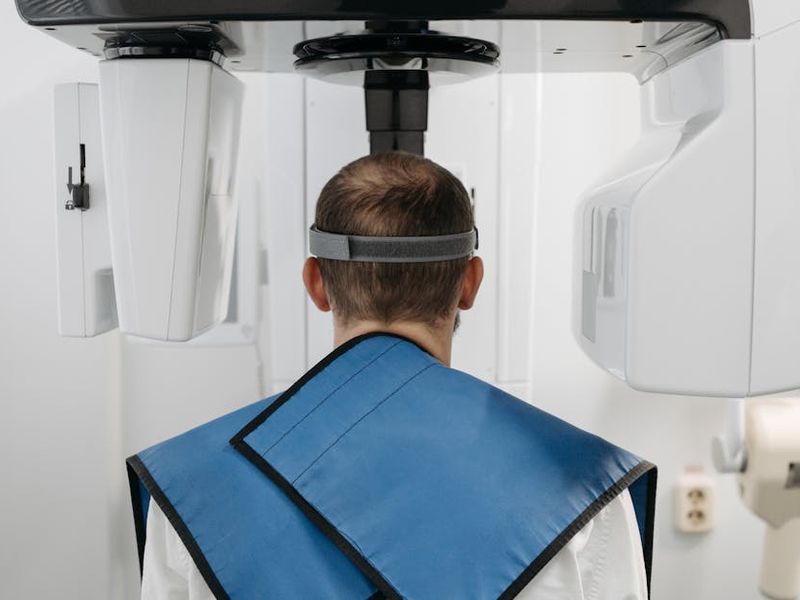
Modern dental clinics in Cuenca use the same technology you’d expect in a major Canadian city: 3D cone-beam CT (CBCT) imaging for implant planning, digital X-rays, CAD/CAM milling for same-day crowns, intraoral scanners, sterilization protocols that meet international standards, and digital treatment planning software. That means accurate diagnosis, predictable implant placement and high-quality prosthetics.
Some clinics even offer guided implant surgery where surgical guides are 3D printed to ensure precise positioning, minimizing surgical time and improving outcomes — the kind of high-tech care that adds to patient confidence and shortens chair time.
The ideal recovery environment: Cuenca’s climate, culture and calm
Recovery matters. Cuenca sits at about 2,560 meters (8,400 feet), with a temperate spring-like climate year-round, clean air, abundant parks and a peaceful historic center. For dental implants and major oral surgery, that tranquil environment is perfect for rest, gentle walks and low-stress healing. Instead of being stuck at home staring at a TV, you can enjoy riverside promenades, café patios and gentle sightseeing that won’t jeopardize your recovery.
The city is compact and walkable, with neighborhoods that range from the vibrant Old Town (with cathedrals, plazas and museums) to quiet residential areas favored by expats. Hotels and short-term rentals near clinics often accommodate post-op care needs like ground-floor rooms, elevators and proximity to pharmacies or supermarkets.
Combine dental care with a dental vacation
One of the greatest perks of choosing Cuenca for dental work is the ability to turn a medical necessity into an enjoyable mini-vacation. Schedule an initial consultation and a few follow-ups around hikes in Cajas National Park, a day trip to the traditional markets in nearby towns, or a relaxed cooking class in the historic center. Plan light sightseeing before surgery and gentle activities after — museums, gentle river walks, or a quiet coffee on Parque Calderón are perfect.
Many patients book longer stays for staged procedures: initial consultations and imaging, the surgical phase, and the prosthetic phase (crowns or veneers). This gives you both excellent dental outcomes and time to soak up Cuenca’s culture and cuisine.
Short waits, fast scheduling and personalized care
Unlike long waiting lists at home, Cuenca clinics typically offer quicker access to consultations and surgery dates. Many clinics can schedule an initial appointment within days and an implant placement within a couple of weeks, depending on your needs. This short wait time matters if you’d like to plan a compact trip — book a consultation/scan, return home for healing, then come back for crown placement — or consolidate multiple treatments into one trip if clinically appropriate.
Patients commonly report a high level of one-on-one care: personalized treatment plans, direct access to the dentist rather than rotating through large teams, and follow-up by the same clinician. That continuity reduces stress and improves outcomes.
Practical logistics for Canadians: travel, visas, currency and language
Entry and travel are straightforward. Canadians may enter Ecuador as tourists for up to 90 days without a visa — ideal for dental tourism. Ecuador uses the U.S. dollar, which simplifies budgeting, and international ATMs and credit cards are widely accepted in Cuenca.
There are no direct flights from Canada to Cuenca, but most patients fly into Quito (UIO) or Guayaquil (GYE) and take a short domestic flight to Mariscal La Mar Airport (CUE) in Cuenca. Flight booking platforms and airlines often have convenient connections. If you prefer less flying, there are comfortable bus options from Guayaquil and Quito as well.
Many clinics and hotels have English-speaking staff, and a surprising number of dentists are fluent in English. Bringing a basic Spanish phrasebook or translation app helps, but language is rarely a barrier in established dental centers that cater to international patients.
What to bring and how to prepare your dental trip
- Bring copies of your dental records, X-rays and a list of medications — many clinics will request these before the consultation.
- Pack comfortable clothes, a hat for sun protection, and gentle footwear for walking Cuenca’s cobbled streets.
- Ask your clinic for a prescription list so you can purchase medications locally or pick them up immediately after treatment.
- Arrange travel insurance that covers elective medical/dental procedures where possible — check policy details carefully.
- Plan for altitude acclimatization: Cuenca’s elevation is higher than most North American cities; take it easy the first 24–48 hours, hydrate and avoid heavy exertion immediately after major procedures.
Typical treatment timelines and what to expect
Treatment timing will vary based on complexity. A common pathway for a single implant:
- Day 1: Consultation, CBCT imaging and treatment plan confirmation.
- Day 2–10: Implant placement surgery (often outpatient). Short local anesthesia or sedation options are available.
- 3–4 months: Osseointegration period for most implants; lighter activity and follow-ups during this time.
- Prosthetic phase: Abutment placement and crown fabrication (sometimes same-day with CAD/CAM), followed by final placement.
Some clinics offer immediate-load implants or shorter timelines when clinically appropriate, but honest clinics will recommend the safest protocol for long-term success.
Aftercare, follow-ups and local health resources
Aftercare is critical. Clinics will provide detailed instructions for oral hygiene, diet, and activity. Local pharmacies in Cuenca are well stocked with antibiotics, analgesics and prescription mouth rinses. Many clinics include follow-up visits in their package, and some Canadian patients choose to return for routine check-ups at home after prosthetic work is complete.
If you prefer an extra layer of assurance, look for clinics that provide a written guarantee or maintenance plan for implants and prosthetics. Also, confirm who to contact in case of urgent issues after you return home — reputable clinics often offer remote follow-up and advice.
Safety, hygiene standards and patient reviews
Reputable Cuenca clinics adhere to strict sterilization protocols and often display international equipment and certifications. Before you book, research patient reviews, ask for before-and-after photos, request references from international patients and confirm the clinic’s infection control procedures. Many clinics catering to dental tourists are accustomed to remote consultations and can provide a robust treatment plan based on X-rays you email in advance.
Costs, payment and financing options
Many clinics provide full-package pricing that includes consultation, imaging, surgery, implant hardware, temporary prosthetics and final crowns — the transparent pricing helps you compare total costs with what you’d pay at home. Payment options usually include bank transfer, credit card, or in-clinic financing arrangements. Be sure to clarify what’s included (e.g., anesthesia, follow-up visits, lab work) and what might be extra (bone grafts, additional procedures).
Even after adding flights and accommodations, most patients still save significantly compared to Canadian pricing — often enough to and still have funds left over for a short vacation. For larger cases, discuss phased treatment plans that balance clinical needs, travel time and budget.
Neighborhoods, lodging and accessibility
Where you stay depends on your priorities. The historic Old Town (around Parque Calderón) places you near tourist sites, restaurants and many clinics; it’s ideal for those who enjoy walking to cafés and cultural attractions. Residential neighborhoods like Totoracocha and El Centro have quieter streets and easy access to medical facilities. Many clinics can recommend hotels, apartments or guesthouses near their offices and may arrange airport pickup.
Real patient experiences: what Canadians report
Canadians who choose Cuenca often mention similar themes: professional care, surprising affordability, warm personal attention, and a recovery period that feels more like a peaceful retreat than a medical chore. Patients appreciate when clinics provide clear timelines, handle logistics and make English-speaking arrangements. For many, the combination of first-rate dental results plus the chance to explore a new city is a life-changing value proposition.
Final checklist before you book
- Get a remote consultation and a clear written treatment plan.
- Confirm total costs and what the package includes.
- Ask about the dentist’s training, implant systems used and sterilization protocols.
- Arrange travel insurance and check entry requirements for Canadian citizens.
- Plan recovery time in Cuenca and factor in altitude acclimatization.
- Read reviews, ask for references and verify the clinic’s aftercare policies.
Conclusion: exceptional value without compromise
For Canadians weighing whether to travel for dental implants, Cuenca offers a compelling combination: dramatic cost savings (commonly 60–70%), clinicians with advanced training, modern clinics with up-to-date technology, short wait times, personalized care, and a restorative city where you can heal in comfort. When you factor in the ability to turn necessary dental work into a pleasant dental vacation, Cuenca stands out as one of the world’s best choices for implants, crowns and veneers. With careful research and a trustworthy clinic partner, you can achieve top-quality dental outcomes and enjoy the many cultural and natural riches Cuenca has to offer.
Start planning
Request a remote consultation, collect your dental records and compare a few clinic quotes. With the right preparation, your next smile transformation could happen in Cuenca — excellent dentistry plus an unforgettable getaway.