
Table of Contents
Introduction: Dental Tourism Meets Vacation in Cuenca
If you’re a Canadian weighing the cost of dental implants, crowns or veneers, Cuenca, Ecuador deserves to be at the top of your list. This colonial Andean city has quietly become a global hub for dental tourism — and for good reason. Dramatically lower prices, internationally trained dentists, modern clinics equipped with the latest technology, and a beautiful, low-stress environment for recovery make Cuenca an unbeatable choice for dental vacations.
Massive Savings — Why Costs Are 60–70% Lower
One of the first things Canadians notice is the cost difference. Dental implants in the U.S. or Canada often run between CAD 3,500–8,000 (USD 2,700–6,000) per implant depending on materials and complexity. In Cuenca, comparable procedures commonly cost 60–70% less: expect to pay roughly USD 800–1,500 for a single implant, USD 200–500 for a crown, and USD 250–600 per veneer depending on materials and clinic reputation. Those numbers can translate into thousands of dollars saved on a full-arch restoration or multiple crowns.
Because Ecuador uses the U.S. dollar, there’s no currency conversion headache, and fixed prices are easier to compare. Those savings often allow Canadian patients to choose higher-quality materials or additional cosmetic upgrades that would have been unaffordable at home.
World-Class Dentists and Specialized Training
Cuenca’s dentists are frequently trained at respected Ecuadorian universities and often complete postgraduate specialization or continuing education abroad in the United States, Europe, or other Latin American institutions. Many clinics employ prosthodontists, periodontists, oral surgeons and implantologists who focus on specific areas of restorative and cosmetic dentistry.
When you research clinics, look for evidence of continuing education, membership in professional dental associations, and before-and-after galleries. Experienced dentists in Cuenca routinely perform full-mouth rehabilitations, immediate-load implants (“teeth in a day”), and complex aesthetic cases with predictable results.
Modern Clinics and Cutting-Edge Technology
Far from being low-cost and low-quality, many Cuenca dental clinics rival North American standards. Clinics often feature:
- Cone beam CT scanners (CBCT) for precise implant planning
- In-house CAD/CAM milling for same-day crowns and custom abutments
- 3D printing for surgical guides
- Digital smile design software
- High-quality implant systems from internationally recognized manufacturers
This technology reduces guesswork, shortens treatment timelines in some cases, and improves aesthetic outcomes — all factors that matter when you want the best value for major dental work.
Short Wait Times and Flexible Scheduling
Another advantage for Canadians is accessibility. In Canada, long waits for specialist work or prosthetics are common. In Cuenca, clinics typically offer much shorter wait times for consultations and surgery — often within days or weeks. That makes it possible to plan a focused dental vacation: initial consult, treatment, and recovery can often be scheduled into one or two trips depending on the treatment plan.
For example, a single implant with an immediate provisional crown (when clinically indicated) can be done in a condensed trip. For complex cases requiring staged healing, many clinics will work with you to create a clear timeline, coordinate local lab work, and schedule follow-ups that minimize time away from home.
The Ideal Recovery Environment: Why Cuenca Helps You Heal
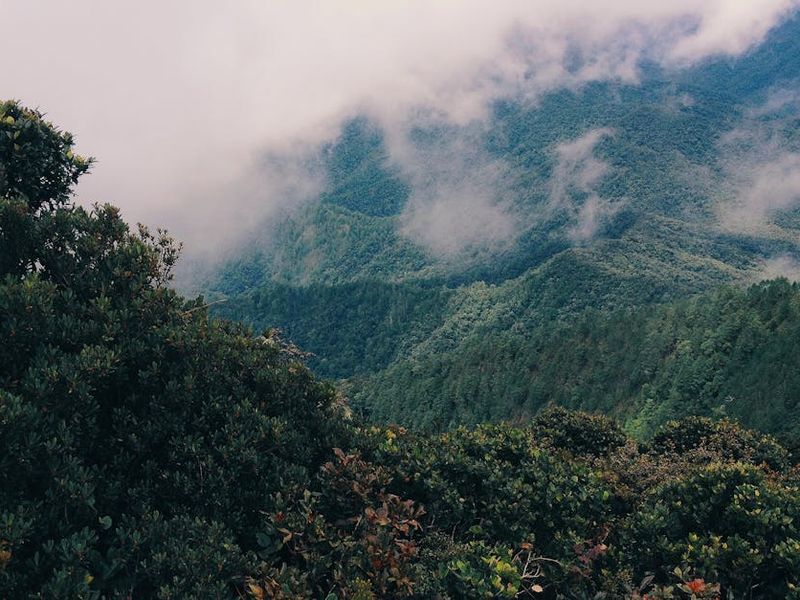
Cuenca’s charming colonial center, mild year-round climate, and clean mountain air make it an excellent place to recover. The city sits around 2,560 meters (about 8,400 ft) above sea level, which means cool, comfortable days and crisp evenings. Many patients find the relaxed pace, walkable historic center, and abundance of parks and cafes ideal for gentle recovery after procedures.
Accommodation options range from boutique hotels near Parque Calderón to private rentals with kitchens and quiet neighborhoods along the Tomebamba River — allowing you to choose the environment that best suits your healing needs. Low-stress sightseeing, short day hikes, artisanal markets and mellow cafés are perfect for keeping active but not overexerting yourself post-treatment.
Combine Excellent Dentistry with a Memorable Vacation
Cuenca isn’t just a place to get dental work — it’s a destination. Patients often extend their trips to enjoy: exploring the UNESCO-listed historic center, taking day trips to Cajas National Park for gentle hikes, visiting local markets to buy handmade Panama hats (yes, they’re made in Ecuador), or joining a coffee tour in nearby valleys. Many clinics partner with local guides and accommodations to create package deals that bundle treatment, lodging, and transport.
Because dental visits are timed and efficient, you can schedule treatment in the mornings and enjoy cultural experiences in the afternoons once you feel up to it. For many Canadians this combination of high-quality care and cultural richness is the most compelling reason to choose Cuenca.
Personalized, One-on-One Care and Aftercare
Small-to-medium sized clinics in Cuenca pride themselves on personalized attention. You can expect one-on-one consultations, longer appointment times, and a higher level of follow-up communication than you might experience in a large, high-volume North American practice. Many clinics provide:
- Bilingual staff (Spanish/English) and patient coordinators
- Detailed treatment plans with itemized pricing
- Pre- and post-operative instructions in English
- Remote follow-up via WhatsApp, email or video call after you return to Canada
That continuity of care is a strong reassurance for international patients planning major restorative work.
Realistic Timelines: What to Expect for Implants, Crowns and Veneers
Planning is key. Here are common timelines you’ll encounter:
- Consultation and CBCT imaging: same day or within a week
- Extractions and implant placement: done during a single visit; healing/osseointegration typically 3–6 months
- Immediate-load implants (where appropriate): provisional teeth can be placed the same day
- Final crowns/bridges and veneers: fabricated in-clinic or a local lab; often delivered within 1–3 weeks after impressions are taken
For many patients, a two-trip plan works well: an initial visit for extractions and implants, then a return several months later for final restorations. Some patients with less complex needs or who choose immediate protocols can complete treatment in a single trip. Your clinic will advise the safest, most predictable approach.
Safety, Cleanliness and Regulation
Health and safety standards in Cuenca’s private clinics are high. Most reputable clinics adhere to international sterilization protocols, use FDA- or CE-approved materials, and operate in modern facilities. When evaluating clinics, request information about sterilization practices, implant brands, lab accreditation, and patient testimonials.
Use online reviews, expat forums, and dental tourism groups to corroborate claims. Many Canadian patients report excellent outcomes and transparent practices after careful vetting.
How to Choose the Right Clinic — Practical Tips
Choosing the right clinic is the single most important decision you’ll make. Follow these steps:
- Ask for a detailed, itemized treatment plan and cost estimate in writing.
- Verify dentist credentials, specialization and continuing education. Look for clinical photos and case studies.
- Confirm the brand of implants and materials to ensure quality standards (many clinics use respected international brands).
- Check patient reviews and ask for references or before-and-after galleries.
- Request to speak with your dentist directly during a pre-trip video consultation.
- Clarify post-op care, warranty policies and remote follow-up procedures.
- Plan your accommodation near the clinic for the first 3–7 days after major procedures.
Logistics for Canadian Travelers
Plan ahead, but know that traveling to Cuenca is straightforward for Canadians. Ecuador uses the U.S. dollar, simplifying budgeting. Many international flights arrive into Quito or Guayaquil; Cuenca has its own local airport with domestic connections, or a scenic bus ride from Guayaquil and Quito is available. Remember:
- Carry your dental records, x-rays and a list of medications to speed up initial consultations.
- Bring a translation app or ask your clinic for a bilingual patient coordinator.
- Factor in a few days to acclimatize to the altitude before major surgery if you are sensitive to elevation changes.
- Check travel insurance policies; most dental tourism costs are out-of-pocket but travel health insurance for emergencies is recommended.
Cost Comparison Snapshot (Typical Ranges)
While prices vary, here’s a simple comparison (approximate):
- Single implant: Canada/US CAD 3,500–8,000 vs. Cuenca USD 800–1,500
- Porcelain crown: Canada/US CAD 1,000–2,000 vs. Cuenca USD 200–500
- Porcelain veneer: Canada/US CAD 900–2,500 vs. Cuenca USD 250–600
Those savings explain why many Canadians travel to Cuenca for multi-tooth restorations or cosmetic upgrades they otherwise couldn’t justify at home.
Testimonials From Canadian Patients (Composite Examples)
“I thought about a single implant for years because of the cost at home — in Cuenca I got the implant, a crown and a hygiene check for less than one crown would cost in Toronto. The dentist explained everything clearly and even scheduled follow-ups when I returned home.” — Sarah, Ontario.
“We planned a dental/vacation combo: my husband had two implants while I explored the markets and museums. The clinic’s patient coordinator handled our airport transfer and helped arrange a cozy rental near the clinic. The whole experience felt safe and personal.” — Mark and Lisa, British Columbia.
“I was nervous, but after a video consult and seeing the clinic’s technology, I flew down. The aftercare was excellent — they checked in by phone and sent photos of the lab work. My new veneers look fantastic and I saved thousands.” — Claire, Alberta.
Common Questions and Concerns
Will language be a barrier? Many clinics cater to international patients and have bilingual staff. A pre-trip video consultation is an excellent way to assess communication beforehand.
Is follow-up care available back home? Most North American dentists are willing to work with international colleagues on follow-up care. Clinics in Cuenca often provide remote monitoring and will share full treatment records with your local dentist.
Are warranties honored? Reputable clinics offer guarantees on their prosthetics and implants, but terms vary. Ask for written warranty details, including conditions that could void coverage.
Final Thoughts: Why Cuenca Offers Unmatched Value
For Canadians seeking dental implants, crowns or veneers, Cuenca offers a unique combination of affordability, quality and experience. The savings alone are compelling, but when combined with modern clinics, highly trained dentists, short wait times, and an extraordinary recovery environment, the value proposition becomes clear. Cuenca makes it possible to receive world-class dentistry while enjoying an unforgettable Andean getaway.
If you’re considering dental tourism, take the time to research clinics, request detailed treatment plans, and plan a trip that balances dental appointments with opportunities to rest and explore. With careful planning, Cuenca can deliver life-changing dental results — and an experience you’ll cherish long after your smile is restored.
Quick Checklist Before You Book
- Obtain a written treatment plan, timeline and itemized costs.
- Schedule a pre-trip video consult with the treating dentist.
- Verify implant brands and lab credentials.
- Arrange lodging near the clinic for initial recovery.
- Pack a copy of your dental history and medications.
- Plan extra days to enjoy Cuenca and allow for safe healing.
Cuenca’s growing reputation as a dental tourism capital is well-earned. For Canadians who want exceptional dentistry without the typical price tag — and a beautiful place to recover — Cuenca may be the best option in the world.