
Table of Contents
Introduction: Dental Vacations and the Cuenca Advantage
For Canadian snowbirds looking to combine health care with leisure, Cuenca, Ecuador has evolved into a global dental tourism favorite. It’s not just about cost savings—although 60–70% lower prices compared to the U.S. and Canada are hard to ignore. It’s the comprehensive package: highly trained clinicians, modern clinics with cutting-edge technology, short wait times, personalized one-on-one care, and a recovery environment that reads like a vacation brochure. If you’re considering implants, crowns, or veneers, here’s why Cuenca should be at the top of your list.
Massive Savings Without Sacrificing Quality
Cost is the most obvious draw. Typical restorative procedures can cost a fraction of North American prices without a proportional drop in quality. A single dental implant that might run $3,000–$6,000 in the U.S. or Canada can often be completed in Cuenca for $900–$1,800—translating to 60–70% savings. Porcelain crowns and veneers follow a similar pattern: crowns that cost $800–$1,500 at home can be $150–$400 in Cuenca, and veneers that top $1,500–$2,500 can be found for $220–$600.
Those numbers aren’t just window dressing. For retirees on fixed incomes or snowbirds who ежегодно fly south, combining several procedures into one trip often results in transformational savings—enough to cover flights, comfortable lodging, and still come home with brand-new dentistry and some spending money left over for sightseeing.
World-Class Dentists Trained at Top Universities
Cuenca’s dental community includes professionals trained at prestigious universities and continuing education centers in North America, Europe, and top Latin American schools. Many dentists hold advanced training in implantology, prosthodontics, endodontics, and cosmetic dentistry. Clinics often highlight qualifications, memberships in international dental organizations, and certification in specialized techniques—so you can verify credentials before you go.
Beyond the degrees, what stands out is the culture of continuing education. Many Cuenca dentists routinely complete advanced courses, attend international conferences, and adopt evidence-based protocols familiar to patients from Canada and the U.S. The result: you’re not choosing between affordability or competency—you’re choosing both.
Modern Clinics and Cutting-Edge Technology
Dental clinics in Cuenca have modernized rapidly to serve international patients. Expect to see digital intraoral scanners, cone beam CT (CBCT) imaging, CAD/CAM milling machines for same-day restorations, 3D printing for surgical guides, and sterilization protocols that meet international standards. Many clinics use well-known international implant systems and high-quality dental materials sourced globally.
For procedures like implants and veneers, digital treatment planning and CBCT-guided surgery increase precision and reduce chair time. Clinics increasingly offer full-service packages: diagnostics, surgery, lab work, prosthetics, and post-op care under one roof—minimizing the need to coordinate multiple providers.
Short Wait Times—Get Treated Faster
Unlike long public-health queues or waitlists you might face in Canada, Cuenca’s private clinics typically offer immediate consultations and prompt scheduling. Many patients find that they can arrange an initial consultation within days of inquiry and have definitive treatment plans and appointments set within a couple of weeks.
This efficiency is a game-changer for travelers coordinating visits with seasonal stays. It makes Cuenca ideal for the snowbird lifestyle: spend the winter in Ecuador, get your dental work done in one or two trips, and return to Canada with completed care and minimal downtime.
Personalized One-on-One Patient Care
Small clinics and boutique dental practices in Cuenca emphasize personalized care. From initial consultations to post-operative follow-ups, you’ll often interact directly with the dentist who performed your treatment—not shuffled among technicians and support staff. This continuity builds trust and results in tailored treatment plans that respect your timeline and budget.
Many clinics also provide concierge-style services—airport pickup, bilingual patient coordinators, accommodation recommendations, and even tour arrangements. That human touch makes a big difference when you’re traveling for healthcare: it reduces anxiety and ensures a smoother experience from arrival to recovery.
Combine Treatment with a Restorative Vacation
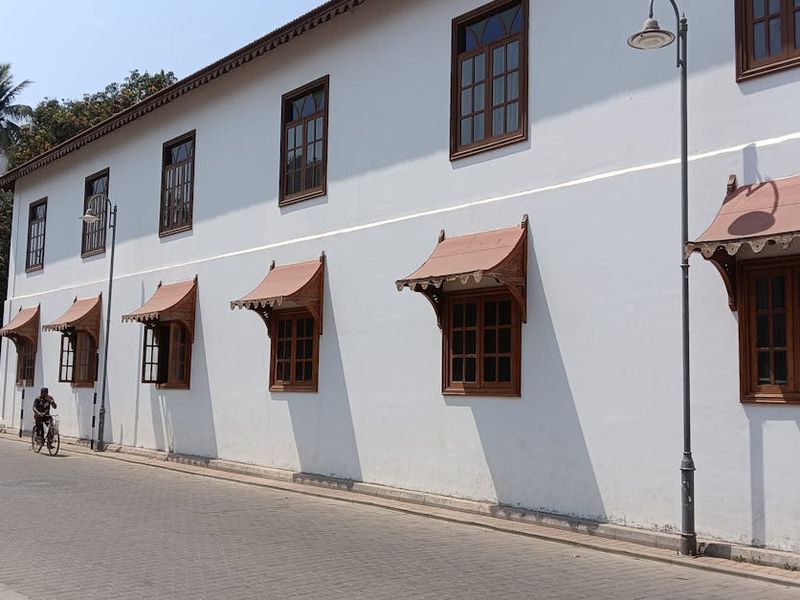
One of the unique advantages of Cuenca is the ability to combine dental care with a rejuvenating escape. Cuenca’s colonial center is a UNESCO World Heritage site, offering scenic plazas, tree-lined streets, and an accessible downtown where you can comfortably stroll during recovery. Temperate weather year-round, tranquil parks like Parque Calderón, and an active expat community mean you can rest and recover in style.
Between appointments, enjoy mellow activities that support healing: easy walks, light sightseeing, historic churches and museums, leisurely coffee at local cafés, and mild hikes in nearby landscapes like Cajas National Park. These low-impact options make Cuenca an ideal recovery environment compared to bustling beach resorts or humid tropical cities.
Dental Tourism Logistics: Practical Planning Tips
To make the most of a dental vacation in Cuenca, a little planning goes a long way. Here are practical tips many experienced snowbirds follow:
- Schedule a pre-trip consultation: Most clinics offer online consultations. Send recent X-rays and photos to get an initial treatment plan and cost estimate.
- Plan your trips: Implant protocols vary—traditional implants often require two visits (surgery and prosthetic placement months later), while some clinics offer immediate-load solutions. Ask your dentist for clear timelines so you can schedule travel accordingly.
- Bring records and medications: Carry your dental records, medication list, and any required prescriptions. Clinics can often coordinate with local pharmacies, but it’s wise to bring essentials from home.
- Acclimatize to altitude: Cuenca sits at about 2,560 meters (~8,400 ft). Plan to arrive a day or two before surgery to acclimate. Hydrate, avoid heavy alcohol, and discuss any health concerns with your dentist and physician.
- Choose comfortable lodging: Stay near the historic center or near your clinic to minimize travel. Many clinics recommend hotels or short-term rentals and offer discounts or package deals.
- Verify accreditation and warranty: Ask about sterilization protocols, warranty on implants and prosthetics, and follow-up care. Reputable clinics provide written guarantees and clear post-op instructions.
Typical Treatment Timelines and What to Expect
Understanding timelines helps you plan travel and downtime. Here are common scenarios:
- Single crowns or veneers: Many clinics offer same-day or two-visit crowns using CAD/CAM technology—first visit for preparation and digital impressions, second visit (often within a few days) for placement.
- Implants (traditional): Surgical placement followed by a healing period of 3–6 months, then prosthetic attachment. This usually requires two trips unless you opt for a local healing stay.
- Immediate-load implants: For certain cases, clinics can place a temporary crown on the implant the same day as surgery. This may reduce the number of trips, but suitability depends on bone quality and individual factors.
- All-on-4/full-arch restorations: Many Cuenca clinics offer full-arch solutions that can be completed in a short series of visits—ideal for patients replacing many teeth at once.
Always consult with the treating dentist about your specific medical history and expectations. Clinics accustomed to international patients will give clear timelines and explain follow-up care options both in Ecuador and after you return home.
Aftercare and Recovery in Cuenca
Recovery is easier in Cuenca’s calm environment. Typical aftercare steps include: soft diet for a few days, prescribed pain relief and antibiotics as needed, saline rinses, and avoiding strenuous exercise for a short period. Cuenca’s mild climate, low humidity, and plentiful green spaces make it easy to rest and heal outdoors without extreme heat or allergy triggers.
Many clinics schedule follow-up visits to monitor healing and make adjustments. If you plan to return home before final prosthetics are placed, discuss interim restorations and a clear protocol for follow-up care with both the Cuenca dentist and a dentist at home.
Safety, Language, and Comfort
Safety is a common concern for first-time medical travelers. Cuenca is widely regarded as safe for visitors, with a large expat community and many English-speaking service providers. Popular dental clinics catering to international patients often have English-speaking staff, patient coordinators, and clear multilingual communication to help you navigate care.
For additional comfort, many patients choose concierge packages that handle airport transfers, hotel bookings, and local logistics. If you have mobility issues, book ground-floor accommodation or a hotel with an elevator and let your clinic know in advance so they can plan appropriately.
Real Value: How Dental Work in Cuenca Pays Off
Beyond the raw cost savings, the overall value proposition is compelling. Imagine replacing multiple crowns or implants and using the savings to pay for a comfortable month-long stay in a historic city with excellent food, easy walking, and top-notch medical care. Many snowbirds report coming home with not just improved oral health but a revitalized sense of well-being from the recovery time spent exploring vibrant plazas and quiet neighborhoods.
Plus, the personalized attention and faster access to skilled dentists mean fewer delays and a smoother treatment journey. For many Canadian retirees, that combination of financial, medical, and lifestyle benefits turns a necessary procedure into a restorative mini-vacation.
How to Choose a Clinic in Cuenca
Picking the right clinic is key. Consider these factors:
- Credentials and experience: Look for information on dental school training, specialist certifications, and continuing education.
- Technology: Confirm the clinic uses digital imaging (CBCT), intraoral scanners, and modern sterilization protocols.
- Patient reviews: Read international patient testimonials and before-and-after photos. Social media and expat forums are valuable resources.
- Clear pricing and warranties: Get written treatment plans and understand what materials and implant brands are used. Ask about warranties on crowns and implants.
- Aftercare and follow-up: Verify how post-op issues are handled and whether the clinic coordinates with your home dentist if needed.
Final Thoughts: Cuenca as the Ideal Dental Vacation Destination
For Canadian snowbirds, Cuenca is not just an economical alternative—it’s a smart, enjoyable way to access high-quality dental care with the comforts of travel. With 60–70% savings, world-class trained dentists, modern clinics, short wait times, one-on-one care, and an inviting recovery environment, Cuenca uniquely blends medical excellence with a restorative vacation experience.
If you’re weighing options for implants, crowns, or veneers, start by requesting online consultations, comparing treatment plans, and mapping a travel timeline that fits your winter stay. With thoughtful planning, your dental vacation in Cuenca could leave you with a healthier smile, a lighter financial load, and memories of a peaceful city that cared for you while you healed.
Quick Checklist Before You Go
- Request an online consultation and treatment plan.
- Confirm clinic credentials, technology, and warranties.
- Plan travel around treatment timelines and altitude acclimatization.
- Book lodging near your clinic for easy access.
- Bring dental records, medication list, and travel insurance.
- Arrange post-op follow-up and local support if needed.
Cuenca offers a rare combination: world-class dentistry at a fraction of the cost, set in a historic, walkable city that makes recovery feel like a vacation. For Canadian snowbirds intent on getting quality dental work done without breaking the bank, there may be no better place in the world.